



CS Mutua Formalises 12% Minimum Wage Increase for Kenyan Workers
The announcement, made on Thursday, May 7, marks a significant step in the government’s efforts to cushion workers from the rising cost of living amid mounting economic pressure on households across the country.
According to CS Mutua, the revised wage structure will affect workers across various sectors once the legal notices are officially gazetted.
“Today, I have signed two legal notices effecting a 12% increase in General Wages and 15% in Agricultural workers’ pay in line with Labour Day,” Mutua announced in a statement.

“These adjustments set new minimum wages across various sectors and will guide the Private Sector as they review staff remuneration under their H.R. policies,” Mutua added.
The wage review follows directives issued by President William Ruto during the national Labour Day celebrations held in Vihiga on May 1.
During the event, the Head of State announced a 12 per cent wage increase for general workers and a 15 per cent increment for employees in the agricultural sector, arguing that Kenyan workers deserved better compensation due to the escalating cost of essential commodities and services.
The latest development means employers in both the public and private sectors will now be expected to adjust salaries once the notices are formally published in the Kenya Gazette.
For workers earning minimum wages, the changes are expected to significantly alter monthly earnings. For example, an employee currently earning Ksh50,000 monthly would receive an additional Ksh6,000 under the 12 per cent increase, raising their gross salary to Ksh56,000.
The agricultural sector, one of Kenya’s largest employers, is also expected to experience notable payroll adjustments following the 15 per cent wage increment targeting farm workers and labourers.
However, the implementation of the directive has already sparked debate among employers and labour unions over the scope of the salary increase.
The Federation of Kenya Employers (FKE) has maintained that employers are only legally obligated to adjust statutory minimum wages and not all general salaries across organisations.
FKE Chief Executive Officer Jacqueline Mugo recently argued that wage adjustments must strictly follow existing labour laws governing minimum wage regulations.
]
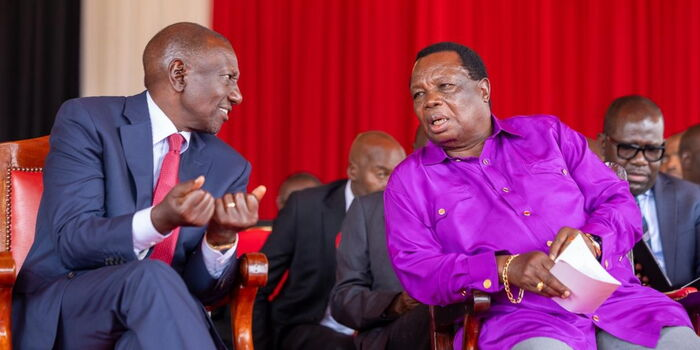
Her remarks appeared to contradict public expectations that all workers would automatically receive a 12 per cent salary increment regardless of their pay grade.
The position by employers has, however, drawn sharp criticism from the Central Organization of Trade Unions (COTU).
COTU Secretary-General Francis Atwoli accused FKE of misinterpreting the President’s Labour Day directive and frustrating workers’ expectations.
According to Atwoli, the salary adjustment is meant to serve as a broad intervention aimed at helping workers cope with inflation and increasing household expenses.
Labour analysts say the disagreement between employers and unions could trigger fresh negotiations across different sectors as companies assess the financial implications of the directive.
At the same time, workers across multiple industries have continued pushing for salary reviews, arguing that stagnant wages have made it increasingly difficult to cope with the high cost of food, housing, transport, and healthcare.
Despite the emerging differences, the government maintains that the wage adjustment is necessary to protect workers’ purchasing power and stimulate economic activity by increasing disposable income among Kenyan households.

ALSO READ: Ruto Orders Automatic Permanent Employment for Over 44,000 Intern Teachers
CS Mutua Formalises 12% Minimum Wage Increase for Kenyan Workers
