



Treasury Proposes Fuel Levy Cut to Save Motorists Ksh75 a Tank
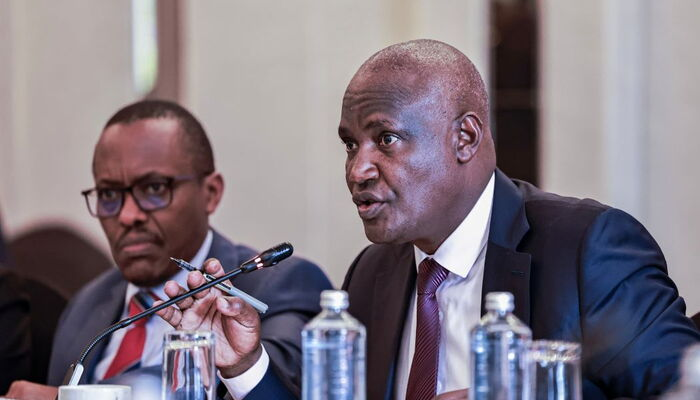
The proposal, spearheaded by Treasury Cabinet Secretary John Mbadi, is contained in the Road Maintenance Levy Fund (Amendment) Bill, 2026, currently before Parliament. It seeks to amend Section 3(2) of the Road Maintenance Levy Fund Act (Cap. 427) by halving the portion of the fuel levy earmarked for the Road Annuity Fund from Ksh3 per litre to Ksh1.50 per litre.
“The section is amended in subsection (2) by deleting the words ‘three shillings’ and substituting therefor the words ‘one shilling and fifty cents’,” reads part of the Bill.
Preliminary estimates suggest that the adjustment could translate into small but noticeable savings for consumers. Calculations indicate that a motorist filling a 50-litre fuel tank could save approximately Ksh75 to Ksh80 per fill. Public service vehicle operators could also benefit, with daily savings varying depending on fuel consumption levels.
For instance, a 14-seater matatu operating along busy routes such as Rongai–Nairobi CBD could save around Ksh75 daily, while larger vehicles like a 33-seater bus consuming more fuel could realise even higher daily savings.
While the proposal is likely to be welcomed by motorists grappling with high fuel costs, it raises critical questions about the sustainability of road financing in the country. The Road Annuity Programme has been a key mechanism for infrastructure development, allowing contractors and financiers to recover investments through guaranteed payments funded by the levy.
Analysts warn that reducing the annuity allocation could create funding gaps for ongoing and future road projects unless alternative financing mechanisms are identified.
The proposal also comes against the backdrop of significant financial commitments already tied to the fuel levy under President William Ruto’s administration. The government has previously securitised a substantial portion of the levy—approximately Ksh12 per litre—to raise an estimated Ksh300 billion through bond arrangements.
The first tranche, executed in February 2025, involved the securitisation of Ksh7 per litre to raise Ksh175 billion aimed at clearing pending bills in the road sector. A second tranche, approved later in the year, committed an additional Ksh5 per litre to raise Ksh125 billion for future infrastructure financing.
This arrangement has drawn scrutiny from international financial institutions, including the International Monetary Fund (IMF). Reports indicate that the IMF has urged Kenya to classify the securitised funds as public debt, a move that could significantly increase the country’s debt profile and influence ongoing negotiations for future lending programmes.
Despite the potential benefits for motorists, Treasury has yet to provide detailed clarification on how the reduced annuity allocation will affect existing financial obligations tied to the securitised levy. Questions also remain regarding how the government plans to offset the funding shortfall for annuity-backed road projects.

As Parliament begins deliberations on the Bill, stakeholders in the transport and infrastructure sectors are expected to weigh in, balancing the need for consumer relief against long-term infrastructure financing needs.
For now, the proposal signals the government’s attempt to ease the cost of living pressures while navigating complex fiscal and development priorities.
ALSO READ: Former Parliament Chef Mungai Gathongo Murdered During Altercation in Ongata Rongai Home
Treasury Proposes Fuel Levy Cut to Save Motorists Ksh75 a Tank
