


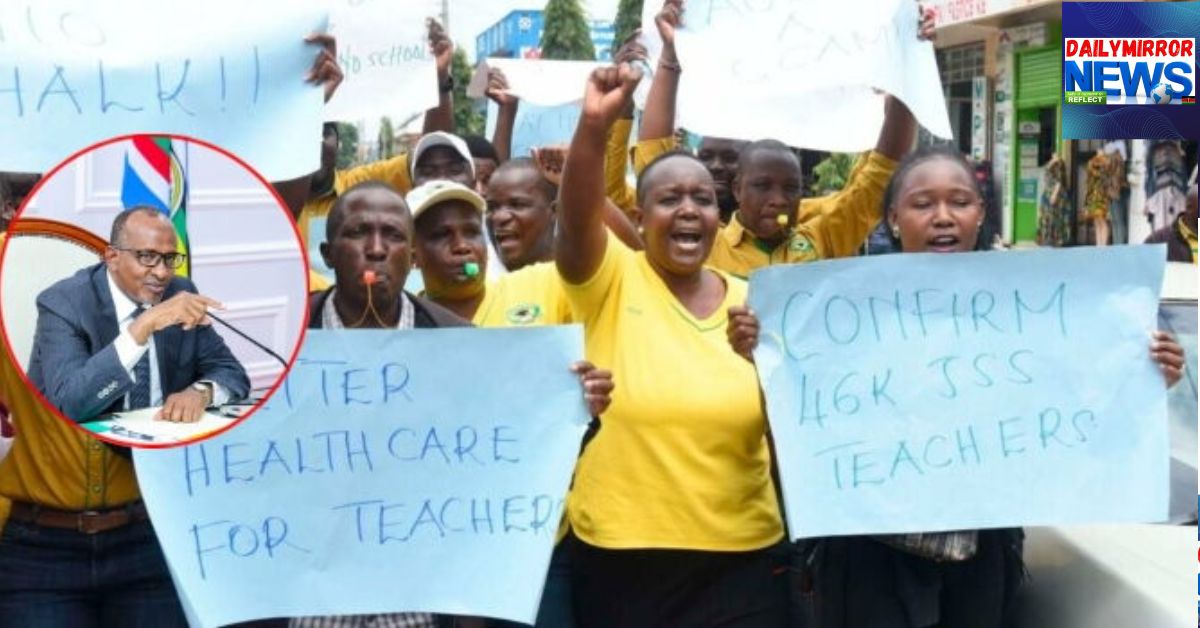
KNUT, SHA Agree to Remove Tariffs, Raise Last Expense Benefits to Ksh300K to Avert Strike
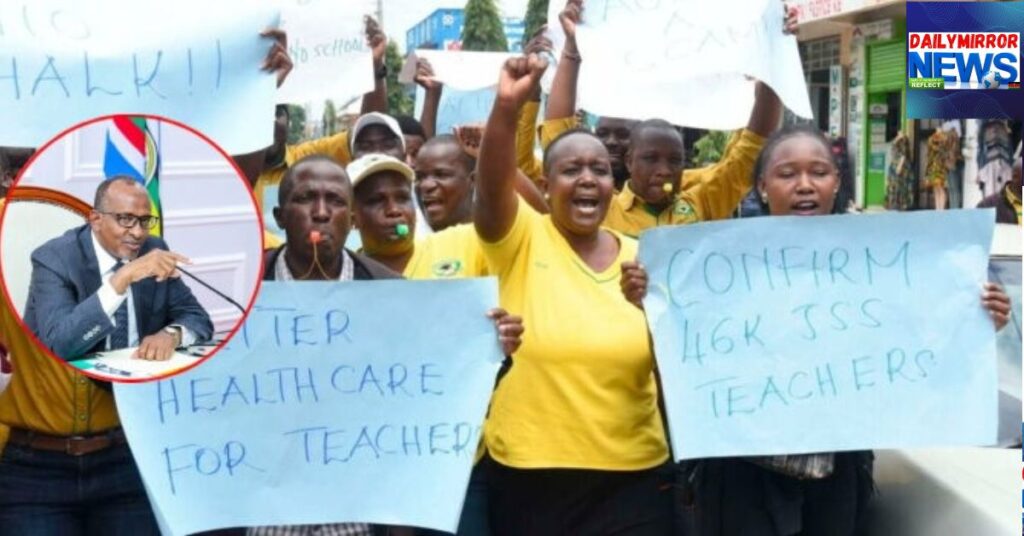
The deal, signed on Tuesday, April 28, follows high-level negotiations aimed at addressing persistent challenges that had plagued the transition from the Mwalimu Cover to the Public Officers Medical Scheme Fund (POMSF). The transition had triggered widespread dissatisfaction among teachers, with many reporting limited access to healthcare services and increased out-of-pocket expenses.
In a joint communiqué, the parties outlined a series of binding resolutions designed to restore confidence in the scheme and ensure uninterrupted access to medical services for teachers across the country.
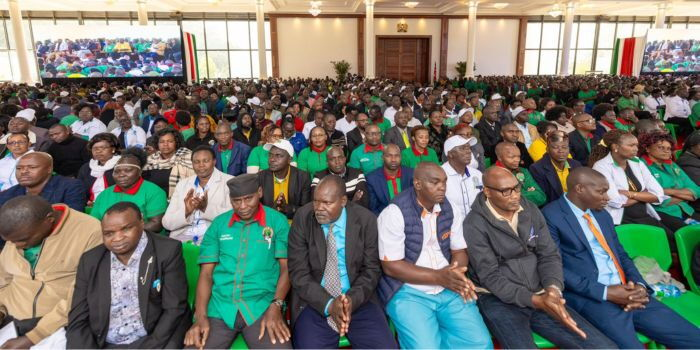
“We reaffirm our commitment to safeguarding the health and welfare of teachers through practical and sustainable solutions,” the statement read, signalling a unified approach to resolving the crisis.
One of the most notable outcomes of the agreement is the full restoration of the Last Expense Benefit, which has now been set at Ksh300,000. The revised benefit is expected to ease the financial burden on families during bereavement, with a streamlined claims process introduced to ensure timely disbursement.
Authorities confirmed that at least 160 pending claims have already been processed, with payments scheduled to begin from April 29. “The backlog has been addressed, and beneficiaries will start receiving payments immediately,” officials noted.
“This framework ensures that no teacher is left without support when faced with extraordinary medical expenses,” the communiqué emphasised.
In a move expected to significantly enhance healthcare access, the scheme has been expanded to include overseas treatment. Teachers will now be able to seek specialised care in selected hospitals in countries such as India, Turkey, and Saudi Arabia, broadening the scope of medical services available under the cover.
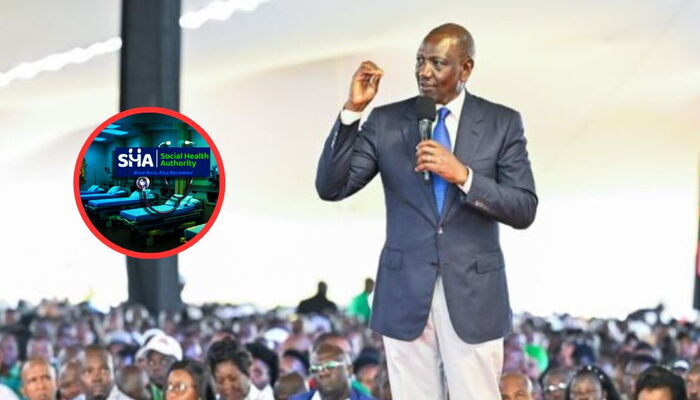
Perhaps the most critical concession came with the immediate withdrawal of tariff locking within the SHA system, a policy that had previously drawn sharp criticism from teachers for limiting treatment options and imposing hidden costs.
“To ensure health systems serve and do not frustrate teachers, SHA will immediately withdraw the tariff locking currently configured in the system,” the statement declared, adding that any future tariff structures would only be implemented after extensive consultations with healthcare providers.
During the interim period, all contracted health facilities have been directed not to charge teachers any out-of-pocket fees, offering immediate relief to thousands who had struggled to access care.
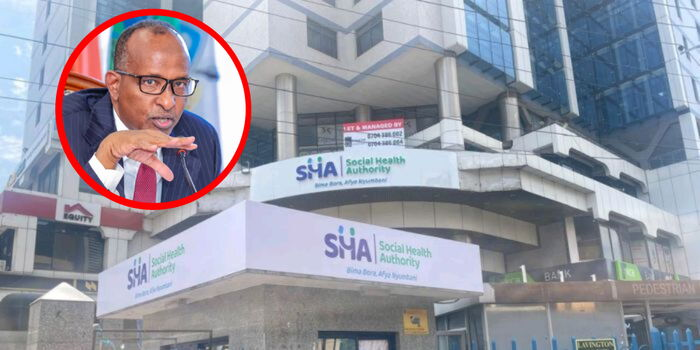
To ensure long-term sustainability, SHA has also announced plans to conduct a nationwide tariff negotiation exercise involving over 3,500 private and faith-based health facilities. The process, expected to take approximately four weeks, aims to standardise medical costs while maintaining quality service delivery.
Education stakeholders have welcomed the agreement as a timely intervention, noting that it not only addresses pressing concerns but also restores stability within the sector.
For teachers, the deal represents a critical turning point after months of uncertainty and frustration. With the threat of industrial action now lifted, attention shifts to the implementation of the agreed measures and the broader goal of strengthening the healthcare system for public servants.
As schools resume normal operations, the success of the agreement will ultimately be measured by how effectively these promises translate into improved healthcare access and tangible benefits for teachers nationwide.
ALSO READ: Teacher Strikes Paralyse Second Term School Reopening
KNUT, SHA Agree to Remove Tariffs, Raise Last Expense Benefits to Ksh300K to Avert Strike
