


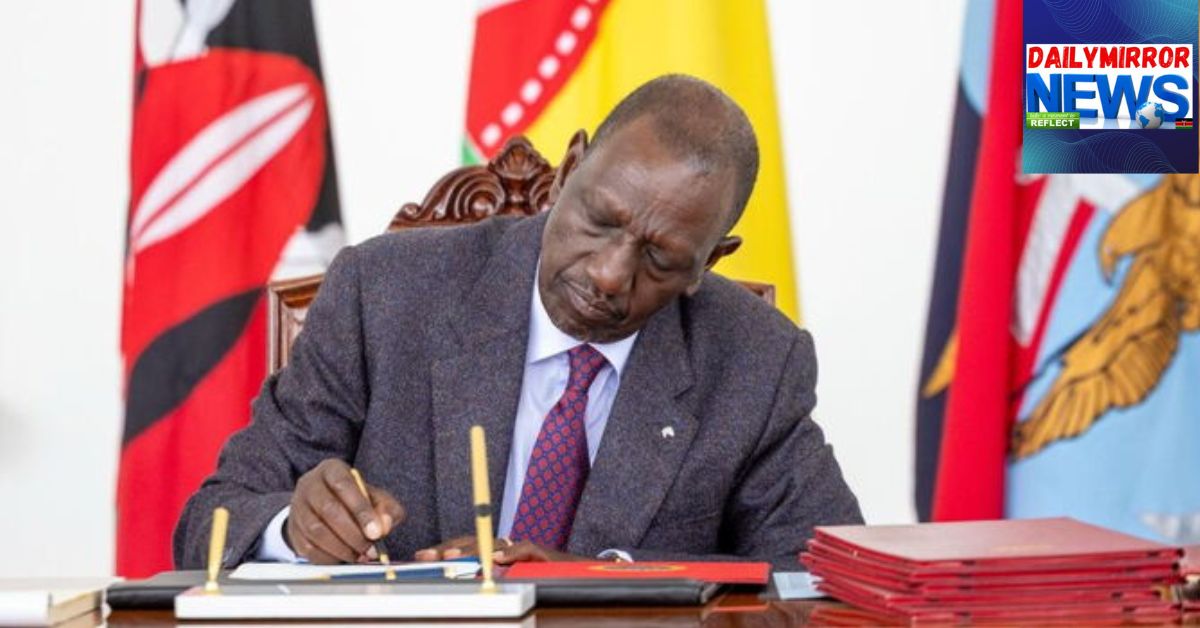
Ruto Says Heavy Infrastructure Investment Behind Kenya’s Higher Fuel Prices Than Neighbours
Speaking during a church service in Karen, Nairobi, on Sunday, April 19, the Head of State sought to clarify the issue, stating that Kenya’s pricing structure reflects its development status and the financial demands of maintaining an extensive road network.
“Many people keep asking why prices in Kenya differ from those in our neighbouring countries. It is important to clarify that Kenya is a middle-income country, while many of our neighbours are classified as least developed countries, and that creates a significant difference,” President Ruto said.
He further urged Kenyans to make fair comparisons when evaluating fuel costs across the region. “If you want to compare Kenya fairly with others, compare Kenya with other middle-income countries. That is when you will get the figures right,” he added.
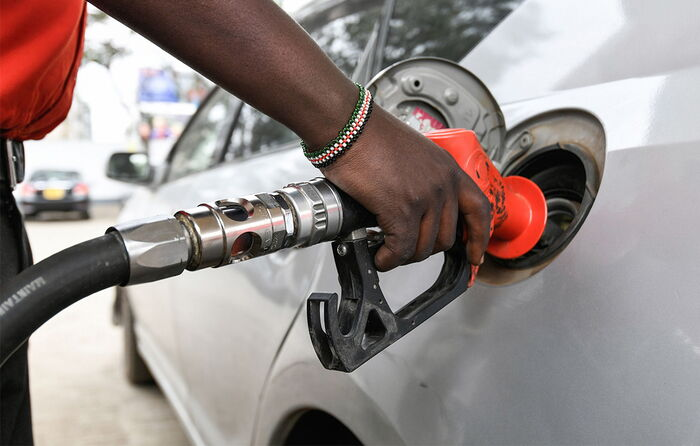
“Kenyans need to understand that we currently maintain over 20,000 kilometres of tarmac roads across the country and have another 6,000 kilometres under construction,” he stated, noting that Kenya’s road network surpasses that of its East African neighbours combined.
He emphasised that the taxes embedded in fuel prices are not arbitrary but serve a broader economic purpose. Improved road infrastructure, he argued, enhances connectivity, facilitates trade, and supports national development goals.
The Head of State also revealed ambitious plans to further expand the country’s road network in the coming years. “We are setting our standards even higher. Our target is to construct an additional 28,000 kilometres of tarmac roads in the next seven years,” he announced, signalling continued investment in infrastructure despite ongoing economic pressures.
His remarks come in the wake of recent fuel price adjustments by the Energy and Petroleum Regulatory Authority (EPRA), which sparked widespread public debate and concern over the rising cost of living.
In its review released on April 14, EPRA significantly increased pump prices, pushing petrol and diesel above Ksh206 per litre in Nairobi. Although the prices were later revised downward following tax adjustments, current retail prices still stand at Ksh197.60 for petrol and Ksh196.63 for diesel, figures that remain high compared to regional averages.
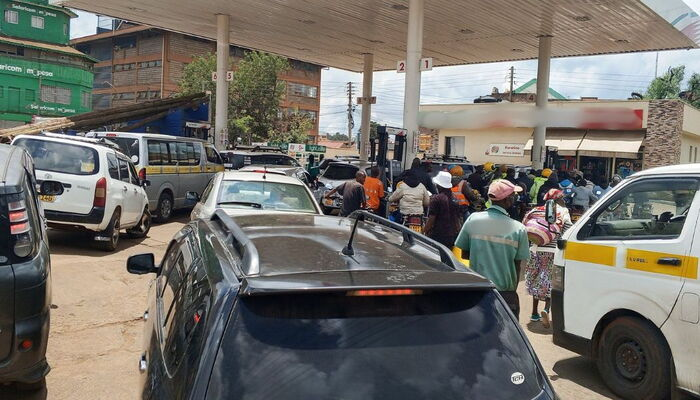
In contrast, fuel prices in Uganda range between approximately Ksh185 and Ksh190 per litre for petrol and Ksh175 to Ksh183 for diesel, while Tanzania records averages of around Ksh191 for petrol and Ksh190 for diesel. These differences have fueled public comparisons, with many Kenyans questioning the sustainability of domestic fuel costs.
The explanation is expected to shape ongoing public discourse, particularly as households and businesses continue to grapple with high fuel costs and their ripple effects on transport and commodity prices.
As the government pushes forward with its infrastructure agenda, the balancing act between development financing and affordability remains a central concern for many Kenyans.
ALSO READ: Ruto to Begin Three-Day Italy Visit to Secure Trade and Investment Partnerships
Ruto Says Heavy Infrastructure Investment Behind Kenya’s Higher Fuel Prices Than Neighbours
