


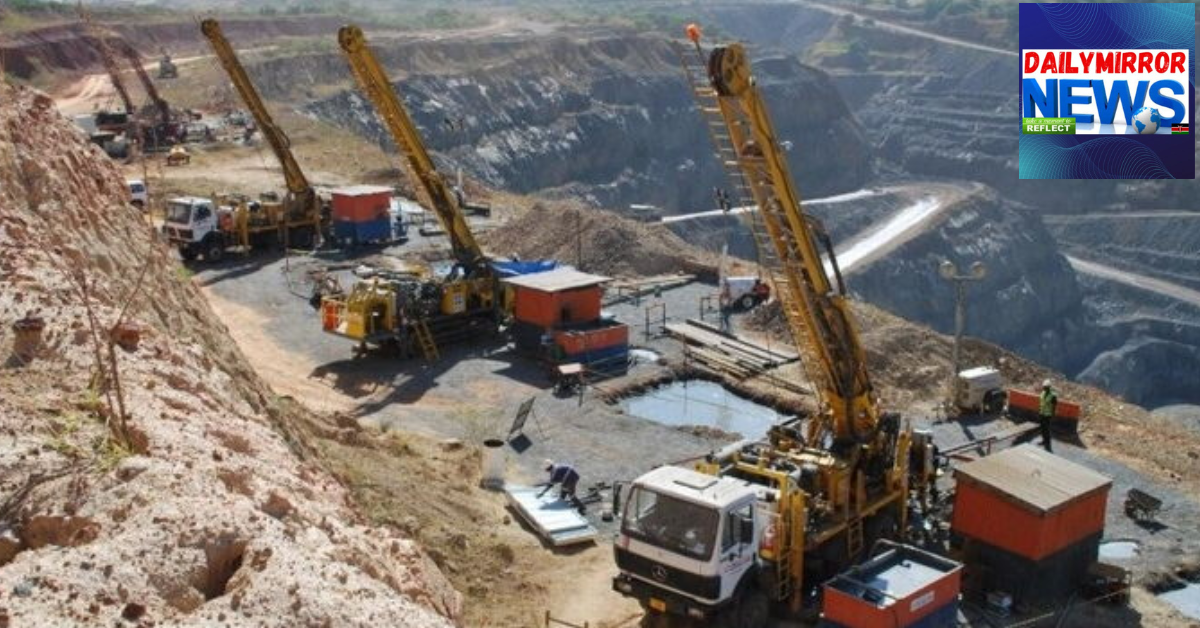
Mining Ministry Launches Ksh8.1 Trillion Mrima Hill Rare Earth Tender for Global Investors
Through a gazette notice issued on March 27, the Ministry of Mining and Blue Economy invited international mining firms to submit expressions of interest (EOIs) for rights to extract niobium and rare earth elements from the site, whose value is estimated at approximately $64 billion (Ksh8.1 trillion).
“In exercise of the powers conferred by sections 14 (1) and 223 (2)(e) of the Mining Act… the Government of Kenya invites expressions of interest from suitably qualified mining operators to commercialise the Mrima Hill mineral deposits,” read part of the official notice.
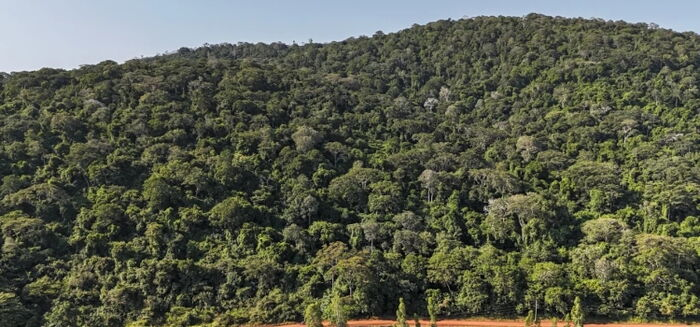
Located about 65 kilometres southwest of Mombasa, Mrima Hill has long been recognised for its mineral richness. First identified by Kenyan geologists in the 1930s and later explored in partnership with Anglo American plc in the 1950s, the site has gained renewed attention following a 2022 geological survey that confirmed vast deposits of niobium and rare earth elements.
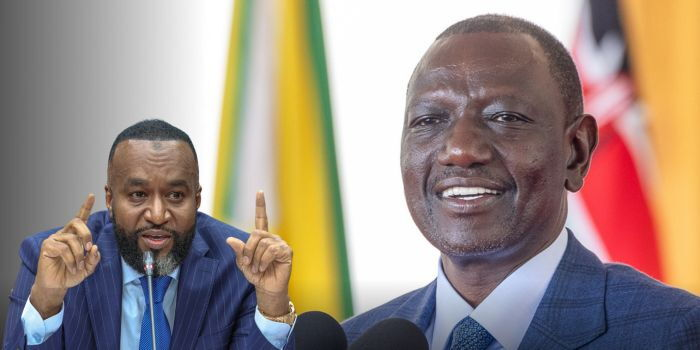
Cabinet Secretary Hassan Joho earlier directed that the project be subjected to an open tender process, in a move aimed at eliminating opaque licensing practices that have historically limited public benefit from natural resources.
“To commercialise these resources, the Government plans to award mineral rights over the area through a public tender process… as outlined in the Mining Act and the 2017 Regulations,” the notice added.
The announcement has triggered intense global interest, with major powers including the United States and China positioning themselves for a stake in the lucrative project. Rare earth elements are critical in modern technologies, including electric vehicles, smartphones, renewable energy systems, and advanced military equipment.
Niobium, a key mineral found at Mrima Hill, is widely used to strengthen steel in infrastructure such as jet engines, pipelines, and space technologies, making the site strategically significant in the global supply chain.
Among the bidders is a U.S.-backed consortium, Mrima Earth Ltd, which has proposed a “value-added” model that includes local processing, job creation, and skills transfer within Kenya. Meanwhile, Chinese state-backed firms, leveraging their dominance in global rare earth processing—estimated at about 80 percent—are also expected to compete aggressively.
Australian firms RareX and Iluka Resources have similarly expressed interest through a joint proposal involving collaboration with Kenya’s National Mining Corporation.
Local residents and activists have voiced fears about displacement, environmental degradation, and the risks associated with radioactive by-products from mining activities, particularly given the presence of thorium.
The government now faces the delicate task of balancing economic opportunity with environmental conservation and cultural preservation, as it moves forward with what could become one of Africa’s most consequential mining projects.
As the tender process unfolds, global competition, local sensitivities, and regulatory oversight are expected to shape the future of Mrima Hill and its potential to transform Kenya’s economic landscape.
ALSO READ: Robert Alai Slams ODM for Allowing Winnie Odinga to Speak at NDC: “Not Family Inheritance”
Mining Ministry Launches Ksh8.1 Trillion Mrima Hill Rare Earth Tender for Global Investors
