


Gachagua Explains How He Inherited Brother’s Wealth After Deceased’s Family Sought Ruto Intervention
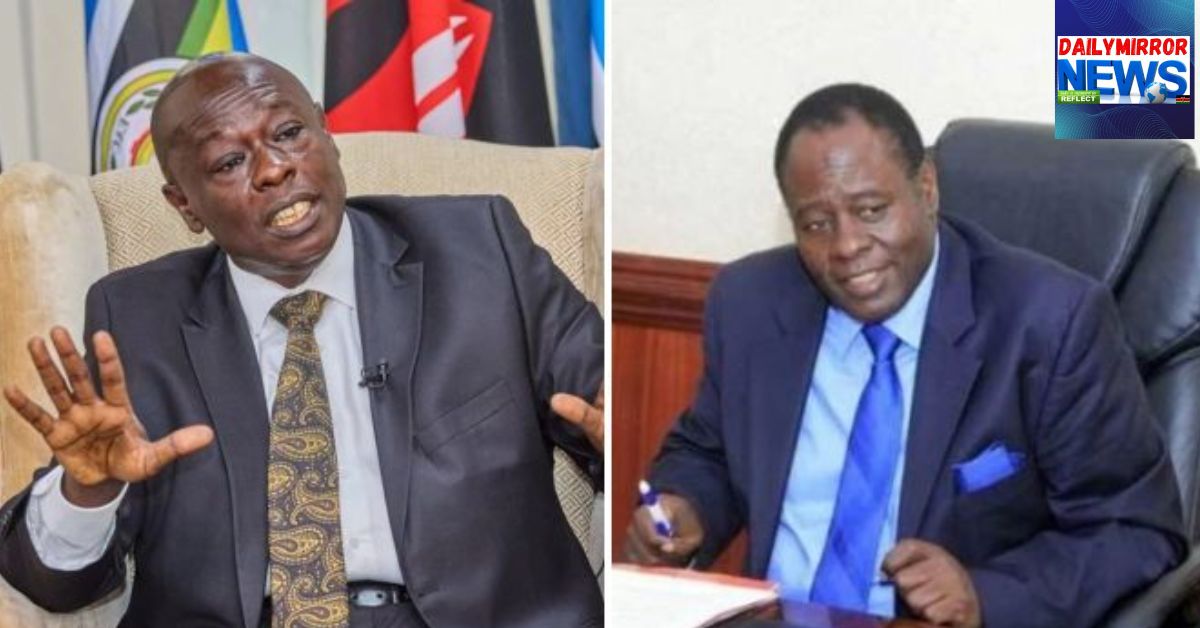
Former Deputy President Rigathi Gachagua has defended the distribution of his late brother’s estate, insisting the succession process was conducted lawfully and transparently, amid renewed claims from family members seeking intervention from President William Ruto.
The dispute centres on the estate of the late former Nyeri Governor Nderitu Gachagua, whose family has petitioned the Head of State to initiate investigations into what they allege were irregularities in the management and distribution of his wealth.
In a letter dated March 23, 2026, some members of the deceased’s family raised concerns over the authenticity of the will, citing alleged inconsistencies and claiming that it may have been executed under questionable circumstances. They further argued that the late governor was critically ill at the time, raising doubts about his capacity to draft and sign such a detailed legal document.
The petition also called for inquiries into alleged fraud and forgery, with the family asserting that certain individuals may have orchestrated a scheme to disinherit them over time.
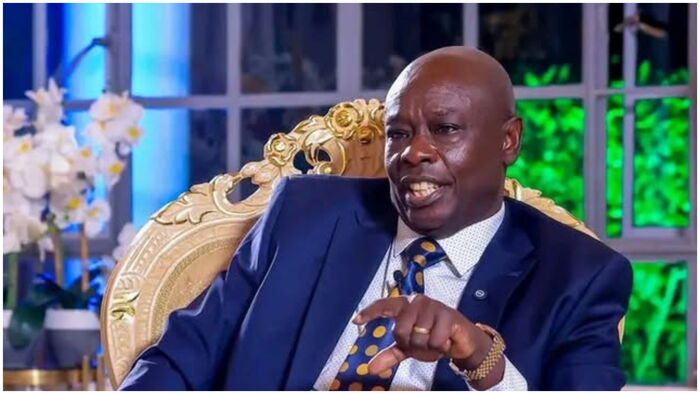
“The late Gachagua wrote a will and gave his property to everybody. He gave it to his wife, two of them and four children… He included them, a total of 21 beneficiaries,” he said, outlining the scope of the estate’s distribution.
According to the former Deputy President, the will clearly specified how the assets were to be shared among beneficiaries, including spouses, children, siblings, and other dependents. He explained that the document also appointed three executors tasked with overseeing the sale of properties, settlement of liabilities, and eventual distribution of proceeds.
Gachagua stated that the matter was formally presented before a court in 2018, where all beneficiaries were present and expressed agreement with the contents of the will before it was adopted.
“The succession law says once a will has been read to the beneficiaries, you go to court. We went to court, and before the judge in 2018, all of us told the judge that we had agreed to the content of the will,” he said.
He added that the court subsequently authorised the executors to proceed with implementing the will, including selling assets, clearing debts, and distributing the remaining estate.
“We sold the properties, paid his debts and distributed the balance to the beneficiaries. That happened eight years ago, and for eight years nobody ever spoke,” Gachagua stated.
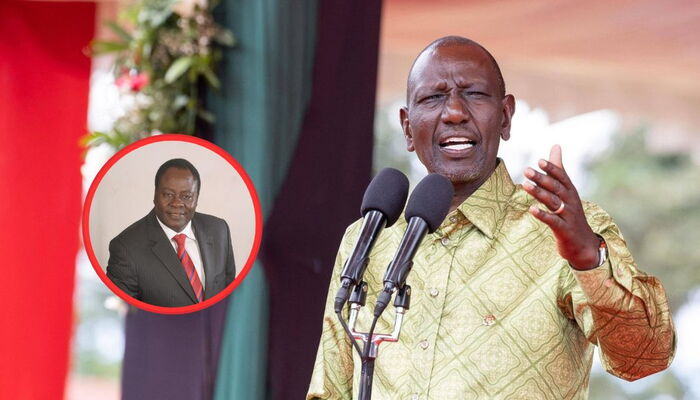
Gachagua criticised efforts to involve President Ruto, asserting that the Head of State has no legal authority to overturn a court-sanctioned succession process.
“William Ruto has decided to play politics with the Gachagua family… He told them that he has the authority to recover most of the things that were sold. It is not possible,” he claimed.
Legal experts note that under Kenyan law, disputes over wills and inheritance are handled through the courts, and any party dissatisfied with a concluded succession process must seek redress through legal channels.
As tensions persist, it remains unclear whether the aggrieved family members will pursue further legal action or continue seeking political intervention.
Observers say the case underscores the delicate intersection between family disputes, legal processes, and political influence in high-profile succession matters in Kenya.
ALSO READ: Kimani Ichung’wah Heckled in Kiambu Infront of William Ruto During President’s Working Tour
Gachagua Explains How He Inherited Brother’s Wealth After Deceased’s Family Sought Ruto Intervention
