


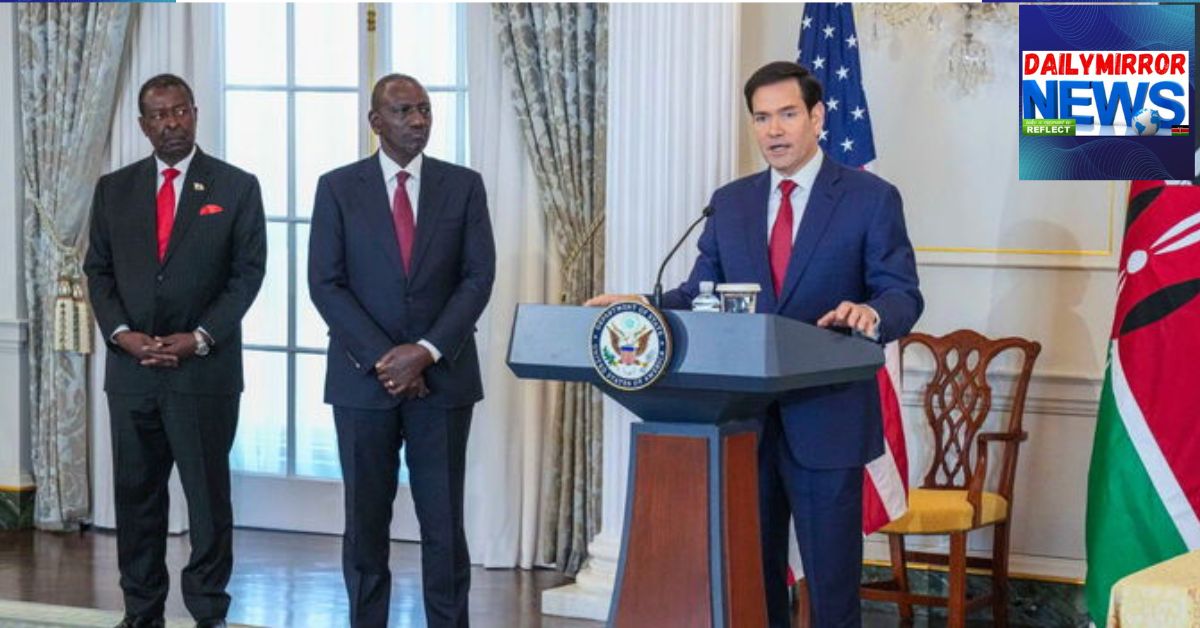
Mixed Reactions as Rubio Praises Ruto for Condemning Iran Attacks in Phone Call
According to an official readout released on Monday, March 23, the call focused on the rapidly evolving conflict involving Iran, Israel, and the United States, as well as Kenya’s diplomatic position on the crisis.
In a statement issued by U.S. State Department Principal Deputy Spokesperson Tommy Pigott, Rubio expressed appreciation for Kenya’s stance against the attacks, which have targeted several Gulf states and raised fears of a broader regional war.
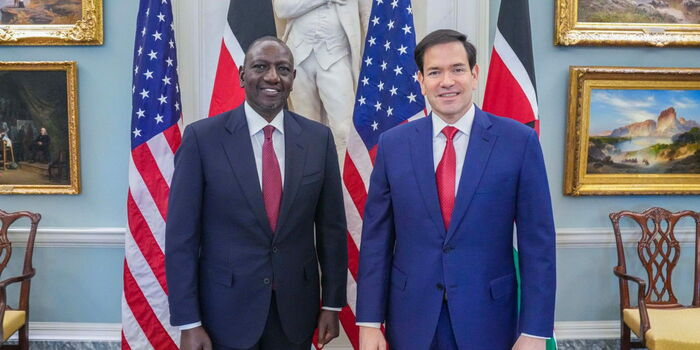
“Secretary Rubio thanked President Ruto for his public condemnation of Iranian aggression against Gulf States and discussed the objectives of Operation Epic Fury,” the statement said, referring to the U.S.–Israel military campaign in Iran reportedly dubbed Operation Epic Fury.
President Ruto had earlier warned that the widening conflict posed a grave threat to international peace and stability. In a statement issued on March 2, he denounced strikes attributed to Iran against multiple countries in the Gulf region, including the United Arab Emirates, Qatar, Saudi Arabia, Iraq, Oman, Kuwait, Jordan, and Bahrain.
“At this defining and perilous moment in global history, longstanding multilateral institutions remain indispensable frameworks for the resolution of the current crisis in the Middle East. Kenya calls for urgent multi-stakeholder engagement towards de-escalation,” Ruto stated at the time.
Beyond security matters, the call also highlighted Kenya’s broader role on the global stage. Rubio reportedly praised Nairobi’s contributions to international peacekeeping efforts, particularly its leadership in the multinational security mission in Haiti and its commitment to supporting a transition to a local Gang Suppression Force.
Officials said the two leaders also explored ways to deepen bilateral ties, including expanding trade and investment opportunities between the two countries.
However, the praise has sparked mixed reactions domestically and online. Some analysts argue that Kenya’s firm alignment with Western positions could complicate its traditionally non-aligned foreign policy stance, while others say the country’s outspoken condemnation reflects its commitment to international law and stability.
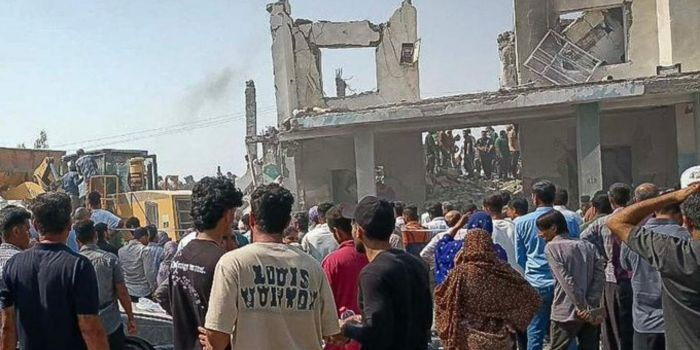
The discussions come against the backdrop of heightened volatility in the region, including the closure of the Strait of Hormuz — a narrow but vital waterway through which a substantial portion of the world’s oil and gas shipments pass.
Energy experts warn that disruptions to this route could trigger global economic repercussions, including rising fuel prices in import-dependent countries such as Kenya.
As the crisis continues to evolve, Kenya’s position — balancing condemnation of violence with calls for dialogue — underscores its growing diplomatic visibility on international issues.
For now, the phone call between Ruto and Rubio highlights both the depth of U.S.–Kenya relations and the complex geopolitical calculations facing African nations as global conflicts increasingly intersect with economic and security interests far beyond their borders.
ALSO READ: Laikipia University Closed Indefinitely After Days of Students’ Unrest
Mixed Reactions as Rubio Praises Ruto for Condemning Iran Attacks in Phone Call
