


Ruto Explains How Uganda Secured 21% Stake in Kenya Pipeline Company
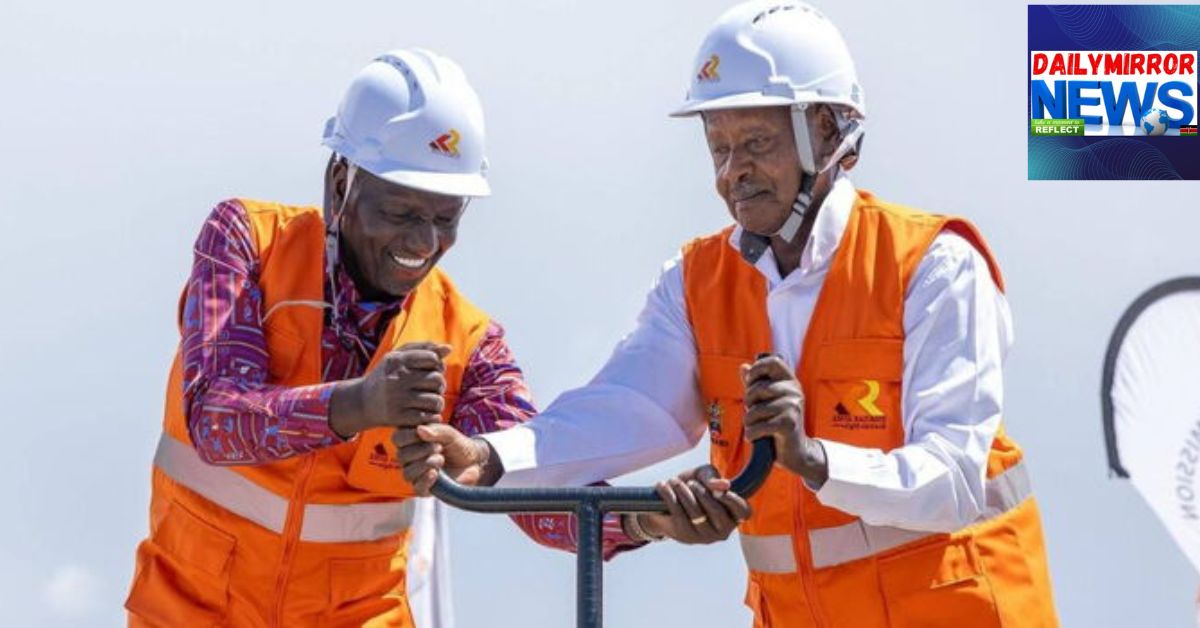
President William Ruto has disclosed details of high-level negotiations that culminated in Uganda acquiring a significant stake in the Kenya Pipeline Company (KPC), revealing that talks nearly stalled after an initial demand for a much larger shareholding.
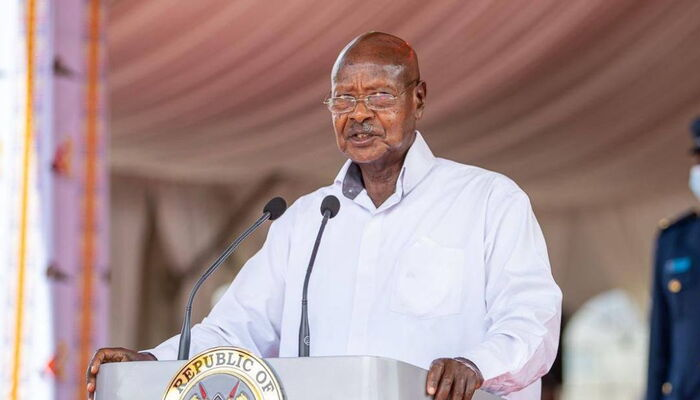
“When you inquired about the pipeline, with the intention of Uganda wanting to acquire 50 per cent, I managed to talk to you and we reached an agreement that we begin with a few stakes,” Ruto said, publicly thanking Museveni for accepting a compromise.
Intense Negotiations Over Strategic Asset
At the time of negotiations, the Government of Kenya held approximately 35 per cent of KPC shares, making Uganda’s request politically and economically sensitive. Officials feared that ceding half of the company could undermine national control over a critical energy asset.
According to Ruto, weeks of back-and-forth discussions were required before a mutually acceptable solution emerged, with the president personally intervening to broker the final deal.
The outcome was a 21 per cent stake for Uganda—substantially lower than the original demand but still significant enough to reflect the country’s heavy reliance on the pipeline for fuel transportation.
Uganda’s Argument for Larger Share
Ugandan officials reportedly justified the initial request by noting that roughly 40 per cent of the pipeline’s throughput typically supplies Uganda’s domestic fuel market.
Analysts say the landlocked nation depends heavily on Kenyan infrastructure for petroleum imports, making participation in KPC strategically important for energy security and cost stability.
Strong Regional Participation in IPO
The disclosure follows earlier announcements by John Mbadi that both local and regional investors showed strong interest in KPC’s Initial Public Offering (IPO).

Of the 12.4 billion shares offered at KSh9 each, East African Community countries—including Uganda and Rwanda—acquired a combined 3.8 billion shares, translating to roughly a 21.22 per cent regional bloc stake.
“Regional neighbours participated heavily in the offer,” Mbadi had noted, highlighting the cross-border significance of the pipeline network.
Kenya Retains Control
Despite the foreign interest, Kenya has maintained a dominant position in the company. Government holdings remain at about 35 per cent, while Kenyan individuals and institutional investors purchased approximately 7.95 billion shares—about 67 per cent of the public offer.
Officials say this structure ensures that control of the strategic company remains largely domestic while still promoting regional integration.
Major Player on the Stock Market
Energy experts say the listing and regional shareholding could enhance transparency, attract investment, and support expansion of fuel transport infrastructure across East Africa.
Broader Regional Implications
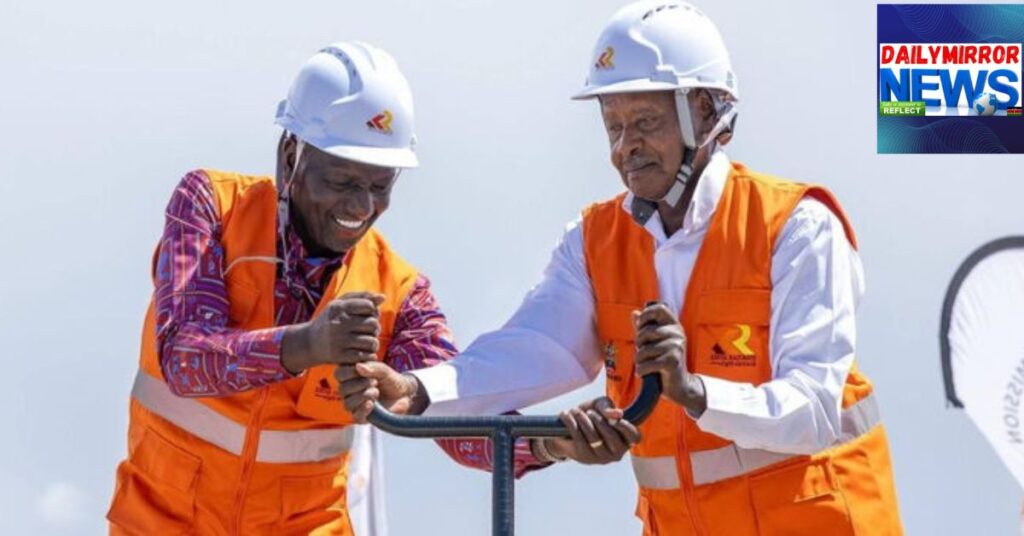
At the same time, it reflects a growing trend toward shared ownership of critical infrastructure within the East African Community, aimed at strengthening economic cooperation and reducing supply vulnerabilities.
For both Nairobi and Kampala, the agreement represents a delicate balance between national interests and regional integration—one that could shape future energy partnerships across the region.
ALSO READ: KNUT Leadership Row Deepens as Oyuu Rejects Sossion Comeback Bid
Ruto Explains How Uganda Secured 21% Stake in Kenya Pipeline Company
