



Bloomberg Data Ranks Kenyan Shilling Among Most Stable Currencies Globally
Figures published by Bloomberg indicate that the Kenyan currency has maintained remarkable stability against the United States dollar over the past year, placing it among the least volatile currencies globally.
The report shows that the Kenyan shilling recorded a volatility rate of just 1.5 per cent during the period under review, ranking among the top five most stable currencies in the world. The figures highlight a dramatic shift for the local currency, which only a few years ago faced heavy pressure amid global economic shocks and rising import costs.
Currency volatility measures how frequently and significantly a currency’s value fluctuates over a certain period. Economists often use it as an indicator of financial market stability, with lower volatility suggesting a more predictable and stable exchange rate environment.
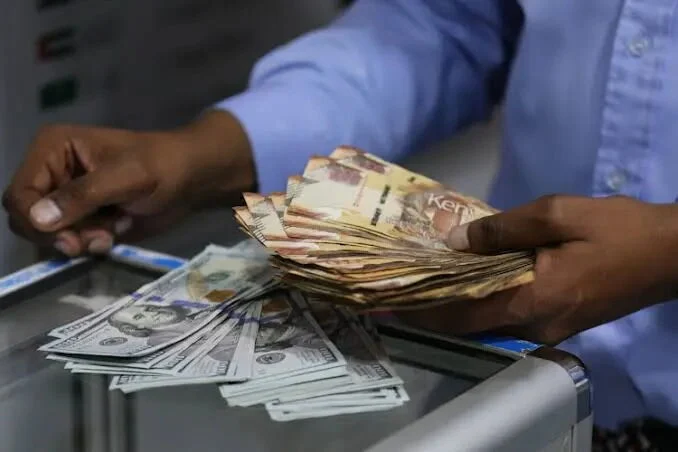
According to the data, only the Hong Kong Dollar recorded a lower volatility rate globally, standing at just 0.9 per cent.
By contrast, several major currencies experienced significantly higher fluctuations. The Argentine peso emerged as the most volatile currency in the ranking with a volatility rate of 22.4 per cent. It was followed by the Israeli shekel at 11.8 per cent and the South African rand at 10.8 per cent.
Meanwhile, the Indian rupee recorded a volatility rate of 4.8 per cent, still significantly higher than that of the Kenyan shilling.
Financial analysts note that currency stability plays a crucial role in shaping investor sentiment and economic planning. A stable exchange rate reduces uncertainty for businesses involved in international trade and investment.
For importers and exporters, predictable currency movements make it easier to plan transactions, price goods accurately, and manage operational costs. At the same time, stable currencies can help control inflation by limiting the impact of fluctuating import prices.

Economists also argue that currency stability can attract foreign direct investment, as international investors prefer markets where exchange rate risks are relatively low.
Speaking recently about the currency’s performance, Central Bank Governor Kamau Thugge highlighted improvements in Kenya’s balance of payments and growing investor confidence in the local financial markets.
“The stability of the Kenyan shilling is largely supported by improvements in the country’s external financial position,” Thugge noted during a recent economic briefing.
He explained that Kenya’s current account balance has remained relatively stable, supported by increased inflows of foreign direct investment and stronger participation by international investors in government securities.
“We have seen stronger foreign participation in local-currency government bonds, which has contributed to stabilising the exchange rate,” Thugge added.
These reserves provide the central bank with the financial capacity to intervene in the currency market when necessary, helping cushion the shilling against global economic shocks.
Over the past year, the Kenyan shilling has traded within a relatively narrow range of between Ksh128 and Ksh130 against the United States dollar. This stability has been observed since August 2024, when the Central Bank began gradually adjusting interest rates.

Economic analysts say the currency’s steady performance signals improving macroeconomic stability and could help boost confidence among investors, lenders, and international development partners.
However, experts caution that maintaining this stability will require continued fiscal discipline, sustained foreign inflows, and prudent monetary policy as Kenya navigates global economic uncertainties in the coming years.
ALSO READ: EACC Proposes Legal Reforms to Stop Election Irregularities Ahead of 2027 Polls
Bloomberg Data Ranks Kenyan Shilling Among Most Stable Currencies Globally
