


Govt to Slash Taxes for Kenyans Earning Below Ksh30,000 – CS Mbadi
The government is preparing to roll out tax relief measures targeting low-income earners, Treasury Cabinet Secretary John Mbadi has announced, in what could mark a significant shift in Kenya’s fiscal policy aimed at boosting household spending and reviving economic activity at the grassroots.
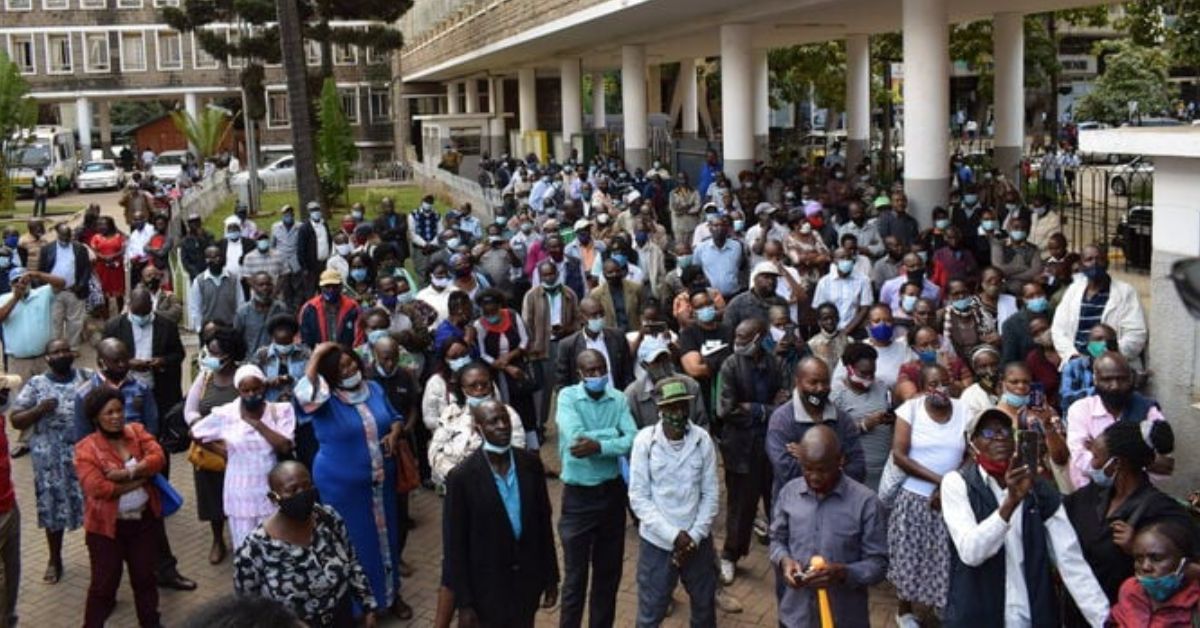
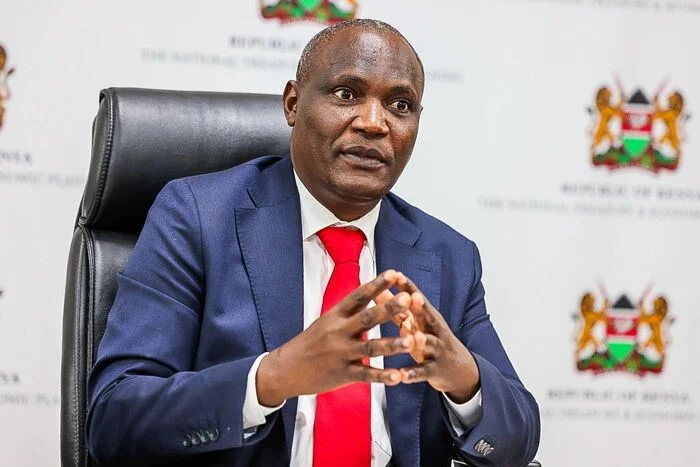
Speaking on Sunday, February 1, during an address at Kiambu National Polytechnic, Mbadi revealed that discussions with President William Ruto on reducing the tax burden for Kenyans earning below Ksh30,000 per month have already taken place, with the Head of State giving his approval to the proposal.
According to the Treasury CS, the current tax regime has disproportionately affected low-income earners, weakening consumer purchasing power and slowing down economic growth in sectors that rely heavily on everyday spending.
“We are going to reduce the tax, and the government has decided because we have sat down with the President and he has agreed. We want to give you something in your pocket so that we can spur demand in the economy, because it is struggling. People don’t have money in their pockets,” Mbadi said.
Kenyans in formal employment currently face multipleKiambu National Polytechnic, including Pay As You Earn (PAYE), National Social Security Fund (NSSF) contributions, Social Health Authority (SHA) deductions, and the housing levy. Mbadi argued that when combined, these deductions significantly erode the take-home pay of workers at the lower end of the income scale.
He questioned the sustainability of taxing individuals earning modest wages, noting that many are left struggling to meet basic needs such as food, rent, transport, and school fees.
“How can the government continue to demand taxes on people earning Ksh30,000, yet these same people must pay rent, transport, and take care of their families? You find that by the end of the month, people are left with nothing,” he said.
The proposed tax cuts, Mbadi explained, are intended to inject liquidity into households, stimulate demand for goods and services, and ultimately support small businesses that form the backbone of the economy.
His remarks come at a time when the Kenya Revenue Authority (KRA) is intensifying efforts to expand the tax base and improve compliance ahead of the June 30 filing deadline. While welcoming reforms that ease pressure on low-income earners, the government is simultaneously tightening oversight to ensure those who should be paying taxes do so.
Last week, KRA Deputy Commissioner Patience Njau announced a temporary suspension of nil tax return filings until the end of March, a move aimed at identifying potential taxpayers who may be operating outside the tax net.
“This initiative is meant to convert nil filers and non-filers into active taxpayers,” Njau said during a briefing on Friday, January 23.
According to the authority, out of approximately 22 million individuals registered with KRA Personal Identification Numbers (PINs), only about 8 million actively pay taxes. Of those, just 4 million are considered consistent taxpayers.
Economists say the proposed tax relief for low-income earners, if implemented, could help balance revenue collection with social protection, especially at a time when many households are grappling with a high cost of living.
However, analysts also caution that the government will need to clearly outline how revenue shortfalls from reduced PAYE collections will be compensated to avoid widening the fiscal deficit.
As Treasury finalises the details, Kenyans earning below Ksh30,000 will be watching closely to see how soon the proposed relief translates into tangible changes in their payslips.
ALSO READ: Kenya Ranked World’s Most Active Country on Social Media – Players Time
Govt to Slash Taxes for Kenyans Earning Below Ksh30,000 – CS Mbadi
