


Ksh519 Billion: Kenya Ranked 7th Among Countries with Largest IMF Loans
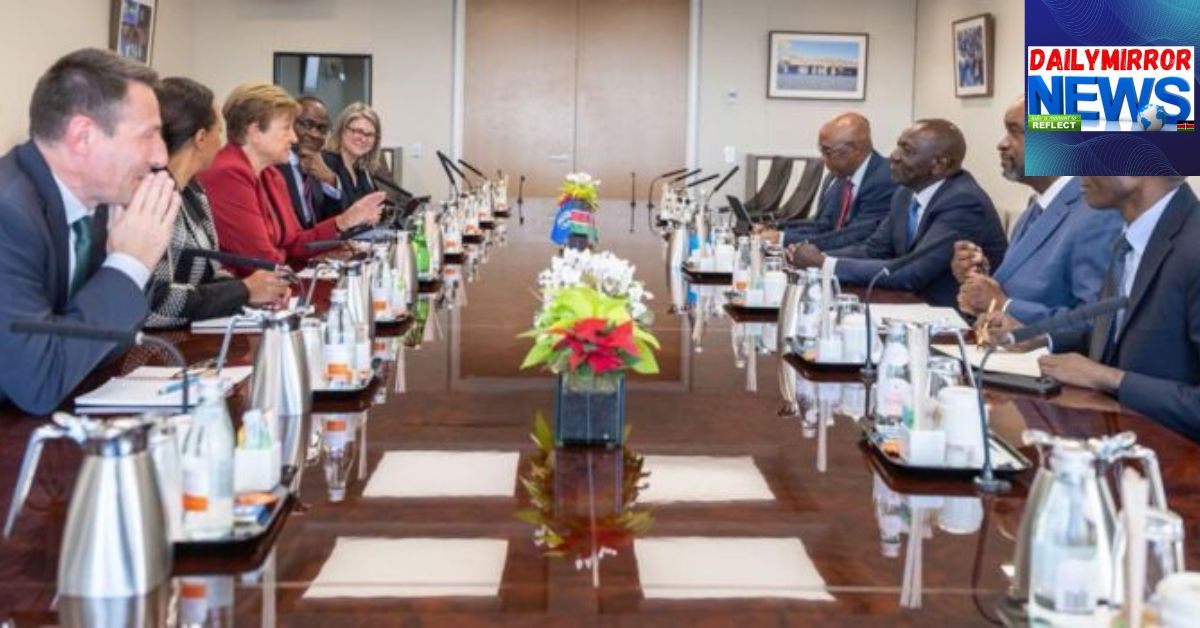
Nairobi, Kenya – Kenya has been ranked seventh globally among countries with the largest outstanding loans from the International Monetary Fund (IMF), highlighting the nation’s growing reliance on external financing to meet budgetary needs and implement economic reforms.
According to the latest IMF data released on Thursday, December 4, Kenya’s current debt to the Fund stands at Special Drawing Rights (SDR) 2.95 billion, equivalent to approximately Ksh519.8 billion at prevailing exchange rates. This places Kenya behind six countries with higher IMF exposure: Argentina, Ukraine, Ecuador, Egypt, Pakistan, and Côte d’Ivoire.
Argentina tops the global list with SDR 41.8 billion (Ksh7.35 trillion), followed by Ukraine at SDR 10.3 billion (Ksh1.82 trillion), Ecuador at SDR 6.93 billion (Ksh1.22 trillion), Egypt at SDR 6.73 billion (Ksh1.18 trillion), Pakistan at SDR 6.59 billion (Ksh1.16 trillion), and Côte d’Ivoire at SDR 3.08 billion (Ksh542.7 billion).
Regional Standing
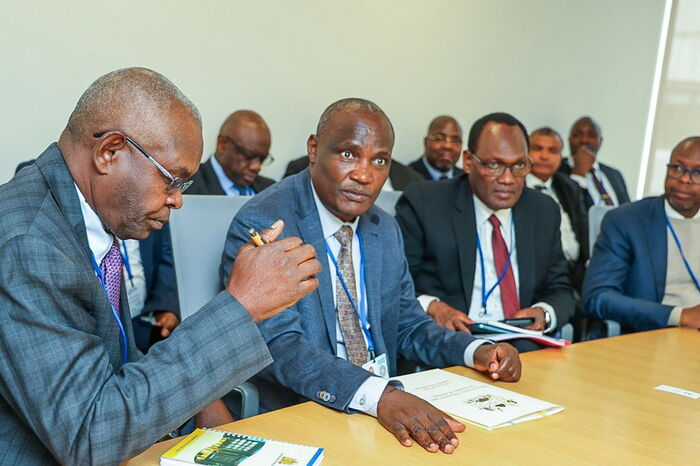
Within Africa, Kenya ranks third after Egypt and Côte d’Ivoire. Other major economies in the region with significant IMF debt include Angola at SDR 2.66 billion (Ksh468 billion), Ghana at SDR 2.58 billion (Ksh454.8 billion), Ethiopia at SDR 1.59 billion (Ksh280.4 billion), and Tanzania at SDR 1.33 billion (Ksh235 billion).
The IMF’s latest loan book shows Kenya’s increasing dependence on external financing, despite an existing program with the lender that has remained inactive for nearly a year. Analysts say this underscores the challenges the country faces in balancing fiscal reforms with rising debt obligations.
Government’s Debt Strategy
President William Ruto has signaled a shift in Kenya’s debt management approach, pledging to reduce reliance on external borrowing. Speaking at State House Nairobi on Tuesday during the launch of the Jukwaa la Usalama Report, Ruto outlined plans to securitise government and public savings, including those in the National Social Security Fund (NSSF), to finance development projects.
“Our government aims to eliminate external borrowing for development projects within 10 to 20 years. We will increasingly rely on the securitisation of Kenyans’ savings in the NSSF to meet our financial and development obligations,” Ruto said.
Currency Shift and IMF Warning
Kenya has also taken steps to manage its debt by shifting some loan repayments from the U.S. dollar to the Chinese yuan. The move, particularly in servicing the Standard Gauge Railway (SGR) loan, was intended to reduce exposure to dollar fluctuations.
However, the IMF has cautioned against potential risks associated with currency diversification.
“While these transactions may lower costs, they can also introduce currency risks depending on their structure,” an IMF spokesperson told Bloomberg in November.
“The IMF encourages countries to consider such operations within comprehensive medium-term debt and reserve management strategies to ensure an appropriate balance between cost and risk,” the spokesperson added.
Conclusion
Kenya’s ranking among the world’s top IMF borrowers underscores the scale of its fiscal challenges and the urgency of implementing sustainable debt management strategies. While the government has pledged to reduce reliance on external loans and explore innovative financing mechanisms, the IMF’s cautionary note highlights the delicate balance between cost-saving measures and long-term financial stability.
As Kenya navigates its path toward economic self-reliance, the coming years will test the effectiveness of reforms aimed at curbing foreign debt while sustaining growth and development.
ALSO READ: IG Kanja Honours Fallen Officers in Moving Ceremony, Assures Families of Continued Govt Support
Ksh519 Billion: Kenya Ranked 7th Among Countries with Largest IMF Loans
