


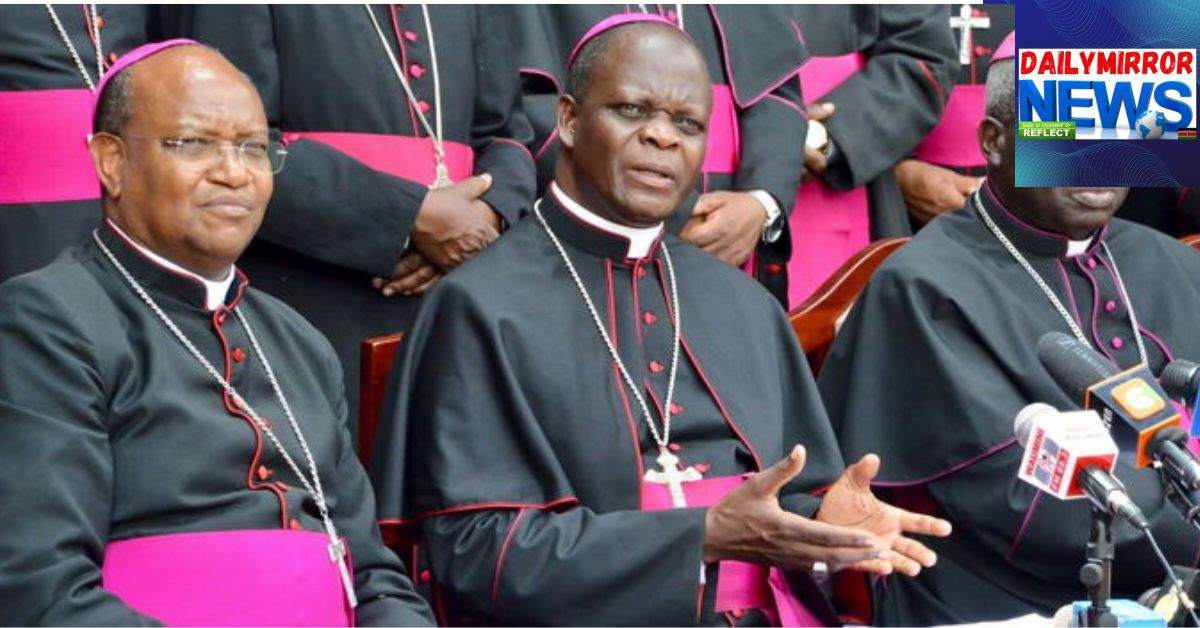
Catholic Bishops Challenge Government Over Cybercrime Laws, Religious Regulation and Unpaid Hospital Bills
Speaking during a press conference on Thursday, the bishops warned that the continued enactment of laws opposed by the public risks undermining democracy and suppressing fundamental freedoms. They urged the government to embrace genuine public participation to restore trust among citizens.
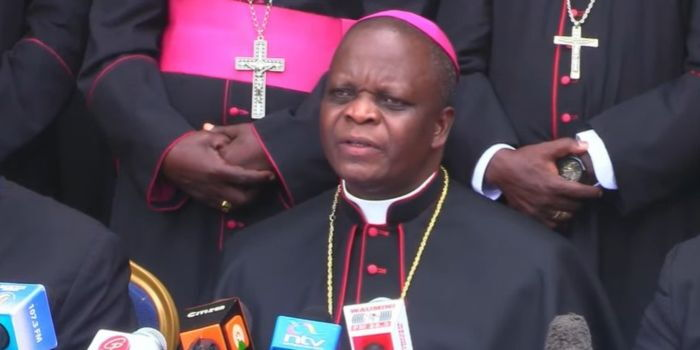
“We raise concerns on the recent laws passed, with focus on the Computer Misuse and Cybercrime (Amendment) Act 2025 and the Land Amendment Act (2025), which Kenyans have widely rejected,” the bishops said.
“We strongly recommend a review of these laws lest they be used to curtail the very freedoms they are meant to protect.”
Religious Regulation
The bishops also criticized the proposed Religious Regulation Bill, warning that government attempts to control religious activities would violate freedom of worship. They insisted that faith‑based organizations must be allowed to operate independently without state interference.
“We urge the government to refrain from attempts to regulate religion. The church and other faith communities have a divine mandate to serve society, and their operations should not be subjected to political control,” they stated.
Education Concerns
Turning to the education sector, the bishops lamented what they termed as confusion and politically motivated decision‑making that has disrupted learning and compromised quality.
“The confusion in the education sector in the past few years is astounding. It appears that decisions have been driven by political expediency rather than the best interests of learners,” they said.
They questioned the government’s shift from the Competency‑Based Curriculum (CBC) to the Competency‑Based Education (CBE) model without addressing key concerns. The bishops warned that the move risks destabilizing the education system, citing delayed capitation, inadequate teacher recruitment, and lack of classrooms.
“We should not gamble with the lives of our children. Education policies must prioritize learners, not politics,” they added.
Healthcare Crisis
The bishops decried the government’s delay in settling billions of shillings owed to faith‑based hospitals, warning that the debt has crippled healthcare delivery and strained suppliers.
“Our hospitals are owed billions by the government. Despite assurances that payments from the defunct NHIF and SHA would be made, nothing has been settled, and our suppliers continue to wait,” they said.
Faith‑based hospitals, which serve millions of Kenyans, have been struggling to maintain operations amid mounting debts, raising fears of a healthcare crisis if the government fails to act.
Economy and Progress
Despite their criticisms, the bishops acknowledged progress made by the government in stabilizing the shilling and improving the economy. They commended ongoing infrastructure development and the construction of Technical and Vocational Education and Training (TVET) institutions across the country.
“We commend the stabilisation of the Kenyan shilling against the dollar and the continued investment in infrastructure, especially roads and TVET colleges. We encourage young people to take advantage of these opportunities for skills development,” the bishops concluded.
Conclusion
The bishops’ statement reflects growing public discontent over controversial laws, education reforms, and unpaid healthcare bills. While they praised certain economic strides, their sharp criticism underscores the tension between government policy and public expectations.
ALSO READ: KBA Calls for PAYE and Income Taxes Relief, Stability Ahead of 2027 Elections
Catholic Bishops Challenge Government Over Cybercrime Laws, Religious Regulation and Unpaid Hospital Bills
