



UN Approves New Haiti Mission: Kenya’s Role Strengthened in Global Gang Crackdown
Kenya’s commitment to restoring peace in Haiti has taken a new turn. On Tuesday, the United Nations Security Council approved a resolution to deploy a new Gang Suppression Force (GSF) to combat rampant gang violence in the Caribbean nation. This force will replace the Kenyan-led Multinational Security Support (MSS) Mission but will not remove Kenya from the equation.
“Kenya Is Still In”—GSF to Reinforce, Not Replace Kenyan Troops
The resolution, sponsored by the United States and Panama, gives the GSF a 12-month mandate. It will include over 5,500 personnel—police, soldiers, and civilians—working alongside the Haitian National Police and armed forces.
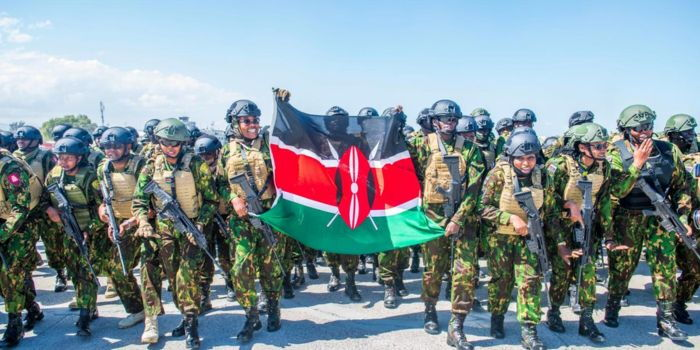
“Kenyan officers will receive more support, not exit,” a UN official clarified. “The GSF will strengthen existing efforts,” they added.
The GSF will conduct intelligence-led operations, secure critical infrastructure, and support humanitarian access.
“We Need Predictability”—Ruto Demands Funding and Transparency
Speaking at the UN General Assembly last week, President William Ruto expressed frustration over the MSS mission’s challenges. He criticized global leaders for neglecting Haiti and questioned the quality of donated equipment.
“The armoured vehicles sent to Haiti were second-hand,” Ruto said. “We need predictable funding before deploying more officers,” he added.
Ruto emphasized Kenya’s commitment but demanded sustained support and clear resource allocation.
“UN Will Step In”—New Support Office to Aid Operations
The resolution also establishes the UN Support Office in Haiti (UNSOH). This office will provide logistical and operational support, including rations, medical care, transportation, and troop rotation.
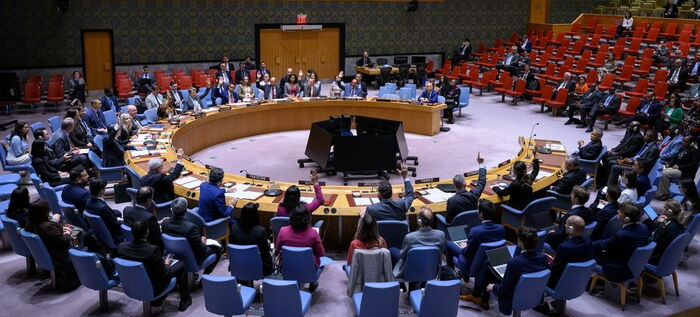
“UNSOH will ensure compliance with human rights standards,” the resolution stated.
Additionally, UNSOH will back the Organization of American States’ SECURE-Haiti project, reinforcing regional cooperation.
“Leadership Will Shift”—New Structure to Guide GSF
Unlike the MSS mission, the GSF will be led by representatives from contributing countries, including the US and Canada. This change aims to improve coordination and accountability.
“We must learn from past mistakes,” a diplomat said. “This structure ensures shared responsibility,” they added.
The MSS mission faced criticism for underfunding and limited capacity, which allowed gangs to dominate Port-au-Prince.
“Hope for Haiti”—Kenya’s Role Remains Crucial
Despite the leadership shift, Kenya remains a key player. Its officers will continue supporting Haiti’s fight against gangs, now with better resources and global backing.

“Kenya’s presence is vital. The mission must succeed,” a UN envoy affirmed.
ALSO READ: “Stop the Lies”—Malala Dismisses Claims Linking Gachagua to Secret Dealings With Ruto
UN Approves New Haiti Mission: Kenya’s Role Strengthened in Global Gang Crackdown
