


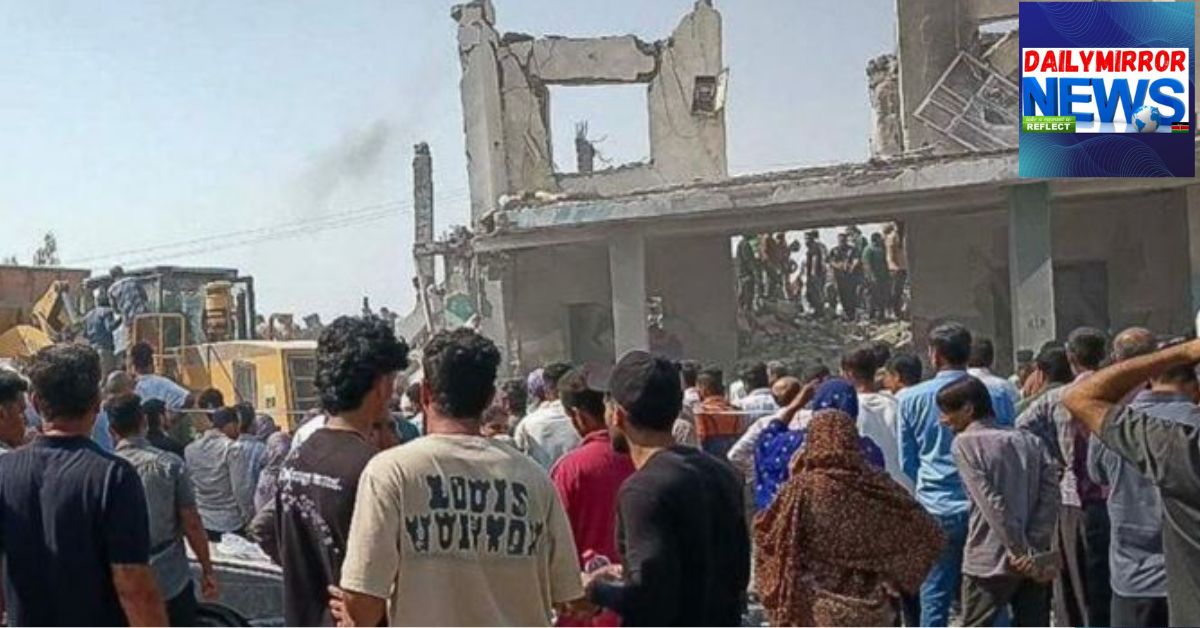
U.S. Issues Bomb Survival Tips Amid Middle East Attacks
The United States has issued a detailed advisory outlining survival measures during missile and drone attacks, as tensions escalate across the Middle East, raising concern for hundreds of thousands of foreign nationals, including Kenyans living and working in the Gulf region.
The guidance comes amid intensifying hostilities involving Iran, Israel, and allied forces, with increased aerial threats reported across several countries, including the United Arab Emirates, Bahrain, Jordan, Kuwait, Iraq, and Israel.
Security alerts intensified following reports that Kuwaiti air defence systems intercepted multiple hostile aerial targets over residential areas, including Rumaithiya and Salwa, in the early hours of the morning. Authorities confirmed that while several threats were neutralised mid-air, falling debris still posed significant risks to civilians.
In response, the U.S. embassy in Kuwait issued urgent safety instructions, advising citizens to remain indoors and avoid unnecessary movement, including travel to diplomatic premises.
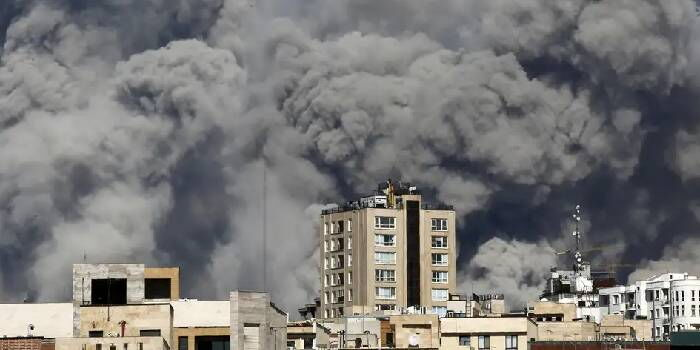
“If you hear a loud explosion or if sirens are activated, immediately seek cover,” the advisory stated, underscoring the urgency of rapid response during an attack.
The guidance emphasises that individuals indoors should immediately move to interior rooms with minimal exposure, ideally those without windows or external walls. Experts note that blast waves from explosions are significantly more destructive near openings such as doors and windows, making interior spaces comparatively safer.
For those caught outdoors during an ആക്രമ, the advisory recommends seeking shelter in reinforced or hardened structures. In situations where no shelter is available, individuals are advised to lie flat on the ground and shield their heads with their hands to reduce the risk of injury from flying debris.
“Interior rooms provide a critical buffer from blast pressure and flying debris, which are the leading causes of injury during explosions,” the guidance further explained.
The advisory also warned that even successful interceptions of missiles and drones can create secondary hazards. Falling fragments from destroyed projectiles have the potential to cause serious harm, particularly in densely populated areas.
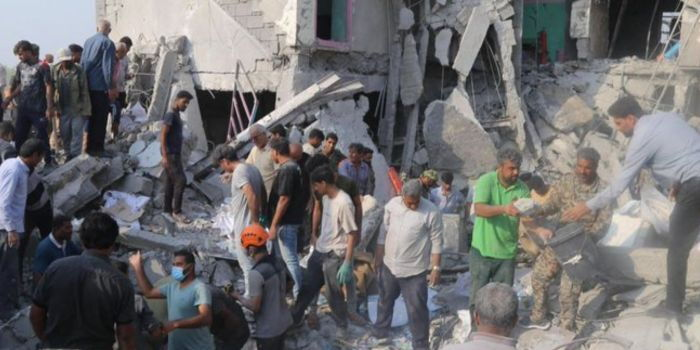
Residents were urged to remain vigilant even after an attack, avoiding contact with debris and following verified updates from local authorities and trusted media outlets.
Certain groups have been identified as particularly vulnerable, including diplomats, humanitarian workers, and foreign business personnel operating in high-risk zones. The advisory notes that these individuals should exercise heightened caution and strictly adhere to security protocols.
The warning is especially relevant to Kenyans in the Gulf, with government estimates indicating that over 400,000 citizens reside and work across the region.
Back home, Roseline Njogu, Principal Secretary for Foreign Affairs, urged Kenyans abroad to take proactive safety measures, including registering with the nearest embassy or consulate.
“We encourage all Kenyans in affected regions to register with our missions and keep their emergency contacts updated to ensure timely assistance if needed,” she stated.
Despite the rising tensions, Iranian officials have sought to reassure Kenya that it is not a target in the ongoing conflict, maintaining that their military focus remains within the immediate conflict zone.
Even so, the rapidly evolving situation has heightened global anxiety, with governments issuing advisories and reinforcing emergency preparedness measures.

As missile and drone warfare continues to redefine modern conflict, authorities stress that awareness and preparedness remain the most effective tools for civilian survival.
With no immediate de-escalation in sight, the advisory serves as a stark reminder of the unpredictable nature of the conflict and the importance of vigilance for those living within its reach.
ALSO READ: Fuel Prices Surge Ahead of EPRA Review as Iran Shuts the Strait of Hormuz
U.S. Issues Bomb Survival Tips Amid Middle East Attacks
