



Treasury to Introduce Planning Bill 2026 to Streamline Government Projects and Public Spending
Treasury Cabinet Secretary John Mbadi has announced that the government will soon table the Planning Bill, 2026 before the National Assembly, a proposed law designed to strengthen the connection between national development planning and budget allocation.
The announcement comes at a time when the government is under increasing pressure to maximize the impact of public expenditure, reduce wastage, and ensure that taxpayer-funded projects deliver measurable results amid growing fiscal challenges.
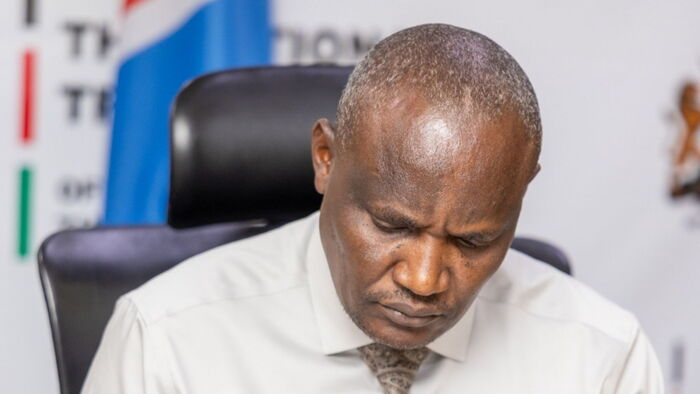
“The problem we have in our budgeting process is that we are not making a plan to budget,” Mbadi stated.
The Cabinet Secretary noted that while the country has established mechanisms for managing public resources, there remains a significant gap in ensuring that expenditure decisions are directly tied to long-term development priorities.
“We have laws governing public finance management, procurement and asset management, but we do not have laws on national planning. That is why in my speech today you’ll hear a lot of emphasis on what we intend to do and introduce a Planning Bill,” he added.
Strengthening Development Planning
For years, concerns have been raised over the approval of projects without adequate funding, leading to stalled infrastructure works, delayed service delivery, and increased project costs.
Government planners believe that such reforms will improve project prioritization and reduce instances where projects are launched without clear implementation strategies or sufficient financial resources.
Focus on Infrastructure and Public Investments
Officials say this will help improve transparency and ensure public funds are directed toward projects that align with national economic and social development goals.

Analysts have long argued that weak planning processes contribute significantly to cost overruns and delays in public projects across the country.
The proposed reforms are therefore expected to strengthen oversight and improve the effectiveness of public investment decisions.
Comes Amid Growing Fiscal Pressure
Kenya continues to face mounting fiscal pressures driven by rising debt obligations, increasing demand for public services, and limited revenue growth.
As a result, policymakers are seeking ways to ensure that every shilling spent delivers maximum value to citizens.
Mbadi is expected to unveil the 2026/27 Budget outlining the government’s spending priorities, revenue collection measures, and borrowing plans for the financial year beginning July 1.
According to budget estimates, the National Government plans to spend approximately Ksh4.82 trillion in the upcoming financial year.

Of this amount, recurrent expenditure is projected to consume the largest share at Ksh3.54 trillion, covering salaries, debt servicing, and operational expenses across government institutions.
A New Direction for Public Finance
If approved by Parliament, the Planning Bill, 2026 could mark a significant shift in how Kenya designs and finances development projects.
Supporters of the proposal argue that stronger planning laws will improve accountability, eliminate duplication, reduce wastage, and ensure that government spending is aligned with national priorities.

ALSO READ: CS Mbadi Reveals Plans to End Zero-Rated VAT Status for Affordable Housing Projects
Treasury to Introduce Planning Bill 2026 to Streamline Government Projects and Public Spending
