



Sakaja Warns Officials Over Illegal Approvals on Riparian Land as Nairobi Demolitions Continue
Speaking during a church service at PCEA Evergreen Parish on Sunday, April 3, the governor defended the ongoing demolitions, describing them as necessary interventions to restore natural drainage systems and mitigate the impact of recurring floods.
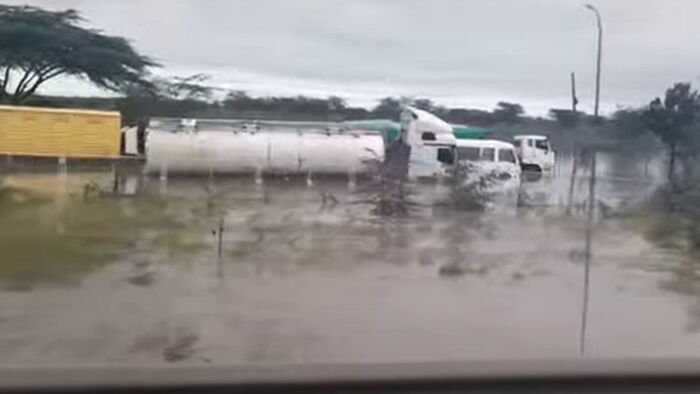
The demolitions, which have affected several structures built along waterways and floodplains, are part of a broader strategy by the county to address the devastating effects of heavy rains that have recently disrupted transport, displaced residents, and caused loss of life in parts of the capital.

“Many people are currently losing parts of their property after receiving approvals and building on riparian land and floodplains. Whether this happened years ago or recently, planners and surveyors are expected to adhere to development regulations,” Sakaja said.
The governor emphasised that responsibility does not lie solely with property owners, but also with officials who issued approvals in violation of planning laws. He noted that investigations are ongoing to identify individuals within the system who facilitated illegal developments.
At the same time, Sakaja cautioned residents against encroaching on waterways, warning that such actions contribute directly to flooding.
“People must take responsibility. You cannot block waterways and then complain about floods,” he added, underscoring the link between urban planning violations and disaster risks.
According to the county leadership, enforcement teams have already begun reclaiming riparian land in several areas, including Kirichwa Kubwa in Kilimani, where structures built along riverbanks are being demolished. The operations are expected to expand to other affected zones as authorities continue to map out illegal developments.
“The work to reclaim riparian land is ongoing at high speed. We are recovering many areas, and as the rains continue, more structures built on riparian land are being identified and removed,” Sakaja stated, signalling that the exercise will be sustained.
The governor further warned that no individuals or entities will be exempt from the crackdown, regardless of when the developments were approved or constructed. His remarks suggest a shift towards stricter enforcement of zoning regulations in Nairobi, a city that has long struggled with unplanned urban growth.
Sakaja also called on residents living in high-risk areas to relocate, particularly those in informal settlements situated along riverbanks and flood-prone zones. Areas such as Grogan have been flagged as especially vulnerable, with authorities citing recent fatalities linked to flooding.
“In places like Grogan, we are losing lives. This should not be happening. People cannot continue living in dangerous zones. This is not about politics—it is about safety and saving lives,” he said.
The governor’s statement comes against the backdrop of sustained heavy rainfall across Nairobi and other parts of the country, which has exposed weaknesses in urban infrastructure and drainage systems. Floodwaters have overwhelmed key roads, disrupted businesses, and forced emergency responses in multiple neighbourhoods.
Urban planning experts have welcomed the crackdown but caution that long-term solutions will require not only enforcement but also improved housing policies, infrastructure upgrades, and better coordination between national and county governments.

As demolitions continue, the focus now shifts to accountability within planning departments and the challenge of balancing enforcement with the social impact on affected residents. For many Nairobians, the unfolding operations mark a critical moment in the city’s efforts to address recurring floods and restore order in urban development.
ALSO READ: Orengo Accuses State of Orchestrating Chaos After Storming Out of Nyikal’s Father’s Burial
Sakaja Warns Officials Over Illegal Approvals on Riparian Land as Nairobi Demolitions Continue
