


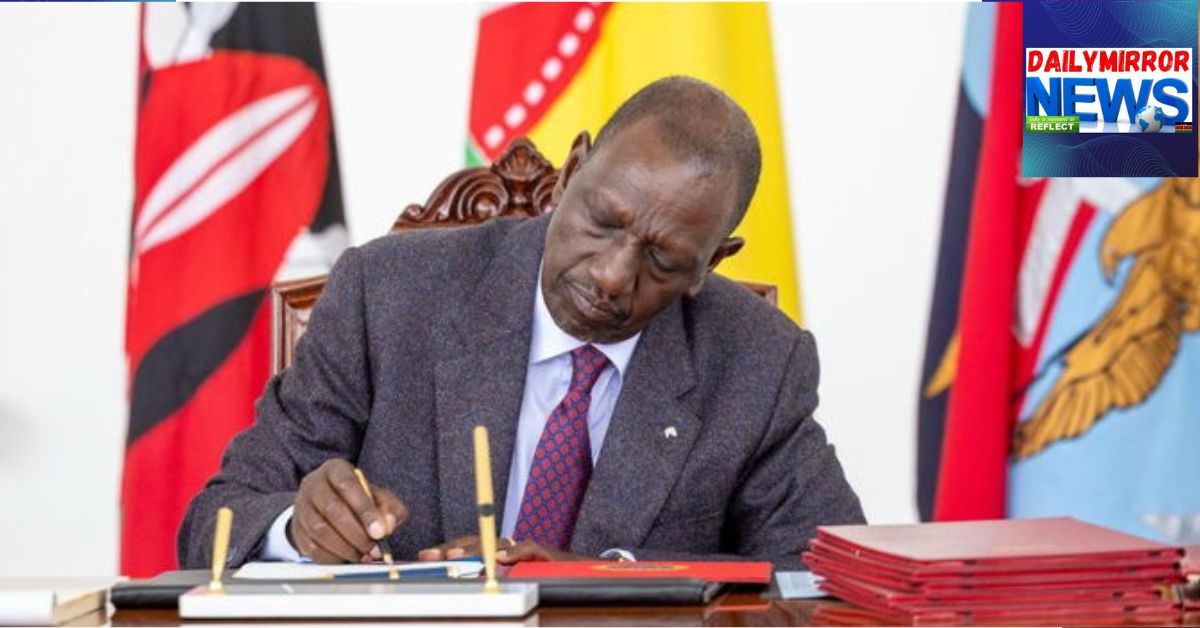
Ruto Appoints Justice Mohamed Warsame to Supreme Court in Latest Judiciary Shake-Up
President William Ruto has formally appointed Hon. Justice Mohamed Abdullahi Warsame as a judge of the Supreme Court of Kenya, marking a significant development in the country’s judicial leadership.
The appointment, made through a special gazette notice released on May 6, invokes constitutional provisions granting the Head of State authority to nominate and appoint judges to the apex court.
The gazette notice stated, “IN EXERCISE of the powers conferred by Article 166 (1) (e) of the Constitution of Kenya, I, William Samoei Ruto, President of the Republic of Kenya and Commander-in-Chief of the Defence Forces, appoint HON JUSTICE MOHAMED ABDULLAHI WARSAME to be Judge of the Supreme Court of Kenya.”
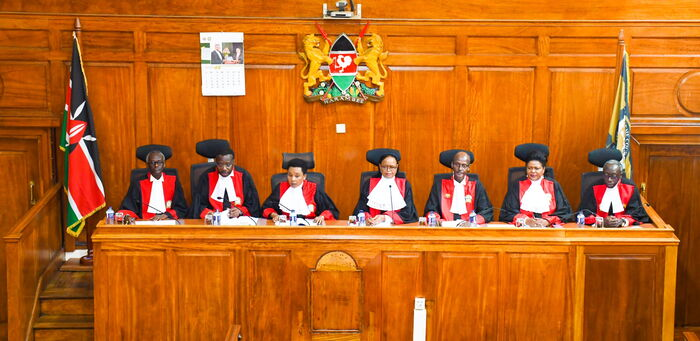
With the addition of Justice Warsame, the Supreme Court bench is now fully constituted, comprising Chief Justice and President of the Court Martha Koome, Deputy Chief Justice Philomena Mwilu, and Justices Smokin Wanjala, Isaac Lenaola, William Ouko, Njoki Ndung’u, alongside the newly appointed Warsame.
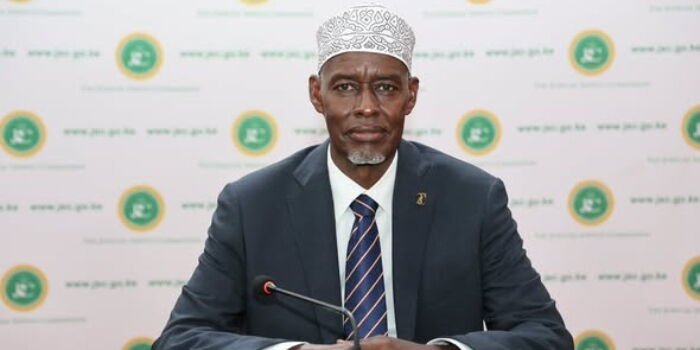
Justice Warsame brings with him decades of judicial experience, having served as a judge of the Court of Appeal of Kenya since 2012. Prior to that, he served in the High Court beginning in 2003, where he presided over several key divisions, including Commercial, Criminal, and Judicial Review.
His tenure in the judiciary has been marked by a reputation for efficiency and consistency, particularly in managing case backlogs. During his vetting before the Judicial Service Commission (JSC), Warsame highlighted his strong case clearance rate as part of his judicial track record.
Chief Justice Martha Koome noted, “Justice Warsame distinguished himself across these areas, demonstrating the qualities required of a Supreme Court judge and earning the Commission’s confidence for appointment to the country’s highest court.”
The appointment comes at a time when the judiciary is undergoing gradual changes, with ongoing discussions around judicial reforms, efficiency, and independence. Legal analysts view the inclusion of an experienced appellate judge as a strategic move aimed at strengthening the court’s capacity to handle complex constitutional and electoral disputes.
A legal analyst observed, “The Supreme Court plays a critical role in shaping jurisprudence. Bringing in a judge with extensive appellate experience is likely to enhance consistency in legal interpretation.”
Meanwhile, attention has also shifted to the potential vacancy that could arise in the apex court following the nomination of Justice Njoki Ndung’u to the International Criminal Court (ICC).
President Ruto recently nominated Ndung’u as Kenya’s candidate for election to the ICC bench, placing her among African candidates vying for positions at the international tribunal.
The elections are scheduled to take place during the 25th session of the Assembly of States Parties, set for December 7 to 17, 2026, in New York. Should her bid succeed, the development would trigger another round of judicial recruitment at the national level.
Judicial observers note, “If Justice Ndung’u secures the ICC position, the JSC will be required to initiate a fresh recruitment process to fill the vacancy in the Supreme Court.”
Under the Constitution, such a process would involve interviews by the JSC followed by nomination and formal appointment by the President.
A judiciary official stated, “Strengthening the Supreme Court ensures stability in the legal system and reinforces public confidence in the rule of law.”
ALSO READ: Protests Erupt After Police Allegedly Block MP Njeri Maina From Accessing School
Ruto Appoints Justice Mohamed Warsame to Supreme Court in Latest Judiciary Shake-Up
