



Mbadi Rejects Claims IMF Forced Kenya Into Fuel Price Hike Amid Nationwide Transport Protests
Mbadi addressed the growing public backlash on Monday, May 18, as nationwide protests by matatu operators and transport stakeholders intensified following steep increases in diesel and petrol prices announced earlier this month.
“I think people have not understood the IMF and the World Bank. The IMF advises member states on macroeconomic issues during possible economic shocks,” Mbadi stated.
He further explained that although international lenders may advise governments on how to cushion economies against global market disruptions, they do not dictate the exact taxes countries should impose.
“They may recommend that countries prepare for the effects of rising global fuel prices, but they do not tell governments to reduce or increase VAT or introduce specific taxes,” he added
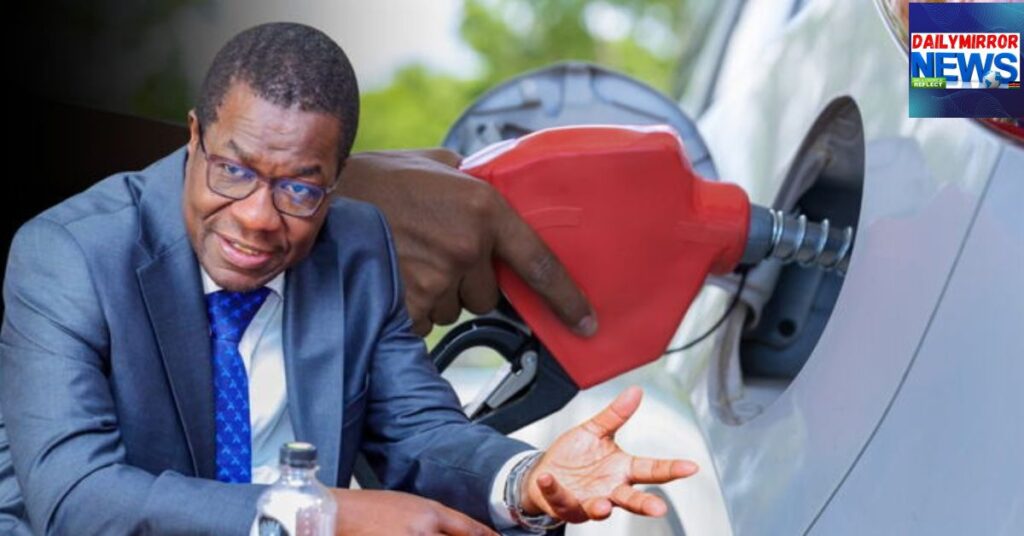
Mbadi acknowledged the economic pressure facing the country, admitting that Kenya’s financial situation remains difficult amid rising global commodity prices and domestic fiscal challenges.
However, he maintained that all policy decisions affecting fuel pricing and taxation are made independently by the Kenyan government and not foreign institutions.
The remarks come in the wake of a controversial fuel review announced by Energy and Petroleum Regulatory Authority on May 14, which saw super petrol prices rise by Ksh16.65 per litre while diesel prices surged sharply by Ksh46.29 per litre.
Within days of the announcement, protests erupted in several towns as matatu operators threatened nationwide paralysis unless the government intervened.
Facing mounting pressure, the government later revised the pricing structure after consultations with transport stakeholders.

Under the revised review effective from May 19 to June 14, diesel prices were reduced by Ksh10.06 per litre, kerosene prices increased by Ksh38.60, while super petrol prices remained unchanged.
Despite the reduction, transport operators rejected the revised prices, arguing that the government had failed to adequately address the burden facing the sector.
Many operators insist that diesel prices should have been reduced by the full Ksh46 increase imposed earlier in the month.
“We did say that we are going to communicate here clearly and openly that we have not agreed, so that we can carry this conversation forward. We did not agree on anything. The strike is still on,” said Kushian Muchiri, Chairperson of the Association of Matatu Transport Owners.
The standoff has already caused anxiety among commuters, with reports of fare increases and transport shortages emerging in parts of Nairobi, Mombasa, Kisumu, and Nakuru.
Economic analysts say the fuel dispute highlights the growing tension between government revenue demands and the rising cost of living facing ordinary Kenyans.
The latest price adjustments also come amid wider concerns about inflation, increasing food prices, and pressure on household incomes.

As negotiations continue between the government and transport operators, many Kenyans now wait anxiously to see whether the fuel crisis will ease or trigger further economic disruptions across the country.
ALSO READ: EPRA Cuts Diesel Prices After Pressure From Transport Operators as Kerosene Jumps by Ksh38
Mbadi Rejects Claims IMF Forced Kenya Into Fuel Price Hike Amid Nationwide Transport Protests
