



KUPPET Intensifies Push to Break JSS From Primary School Administration
The union maintains that placing Grades 7, 8 and 9 under primary school headteachers undermines the identity of junior secondary education and overlooks the specialised training and responsibilities of teachers handling the secondary-level curriculum.
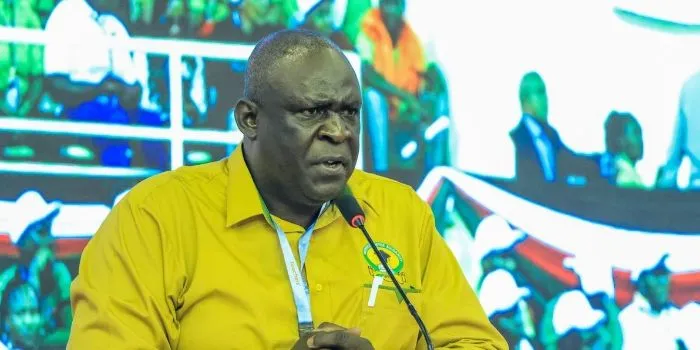
Speaking during KUPPET’s 2026 Annual Conference in Diani, Secretary General Akelo Misori and National Chairman Mboko Milemba argued that junior schools require their own leadership structures, including substantive principals and deputy principals with relevant secondary education experience.
“This model should be rethought by all means necessary. It is not only unfair for our teachers on very many elements, but its repercussions will mostly be felt by the learners,” Milemba stated.
The union clarified that sharing school compounds and infrastructure to reduce operational costs should not translate into merging administrative structures or eliminating the distinct identity of junior secondary schools.
Why KUPPET Opposes Ruto’s Comprehensive School Model
On November 11, 2026, the President directed the Ministry of Education to prepare proposals for amendments to the Basic Education Act within 90 days. The proposed changes are intended to establish a legal framework governing the administration, staffing and financing of comprehensive schools.
The government has also proposed consolidating primary and junior school capitation funding to allow institutions to manage resources through a common framework.
However, KUPPET argues that the arrangement fails to recognise the different academic demands and professional responsibilities associated with junior secondary education.
KUPPET Raises Concerns Over Teacher Promotions
KUPPET argues that placing junior secondary teachers under primary school administrators could create challenges in professional supervision, promotion and movement between junior and senior secondary institutions.
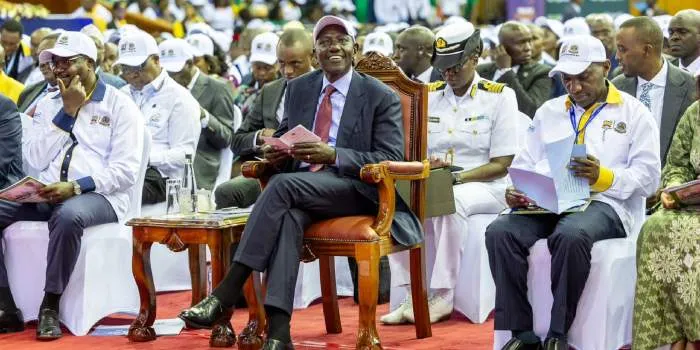
The union has also questioned the legal foundation of comprehensive schools, maintaining that existing education laws require clarification to accommodate the proposed governance structure.
KUPPET Demands 116,000 More Teachers
The union also used its annual conference to renew demands for additional teacher recruitment, citing persistent staffing shortages across public schools.
However, the union maintains that these appointments are insufficient to address the country’s teacher shortage.
It is pushing for the recruitment of at least 116,000 additional teachers next year to strengthen staffing levels and improve learning outcomes.
KNUT Supports Government’s Proposed Education Model
KNUT argues that placing different education levels under one administration could improve coordination, reduce duplication of management structures and promote efficient utilisation of school resources.
The contrasting positions have placed teachers’ unions on different sides of the debate as the government moves towards reviewing the legal framework for comprehensive schools.

With the proposed amendments to the Basic Education Act expected to shape the future of junior secondary education, the debate is likely to remain central to discussions about school administration, teacher welfare and the implementation of the Competency-Based Education system.
ALSO READ: Former North Horr MP Francis Chachu Found Dumped Along Ngong Road After Mysterious Disappearance
KUPPET Intensifies Push to Break JSS From Primary School Administration
