



Explained: What Happens to Ruto’s Presidency After High Court Election Ruling
The court ruled that, under its interpretation of the Constitution, the next presidential election was due in August 2026 rather than August 2027. The decision has raised questions about whether President Ruto should leave office this year.

The key issue is how the Constitution links the election date to the end of a President’s term.
What Article 136 Says About Elections
Article 136 of the Constitution provides that a presidential election should be held on the same day as the General Election of Members of Parliament.
It states that the election should take place on the second Tuesday in August in every fifth year.
This provision formed the centre of the legal arguments in the Malindi case. The petitioners argued that since the previous presidential election was held on August 9, 2022, the next election should fall within the fifth year.
The court agreed with that interpretation but suspended the practical effect of its declaration.
When Does a President’s Term End?
Article 142 provides an important distinction on presidential tenure.
The provision states that a President’s term begins when the President is sworn into office and ends when the person elected as the next President is sworn into office.
This means a sitting President does not automatically leave State House simply because the date set for a presidential election has passed.
The end of the presidential term is linked to the swearing-in of the next elected President.
Does the Ruling Create a Vacancy?
The Malindi ruling does not, by itself, create a vacancy in the presidency.
Therefore, President Ruto remains in office while the High Court’s declaration is suspended and the wider legal process continues.
If the presidency became vacant under the circumstances provided for by the Constitution, the Deputy President could assume office in accordance with Article 146.
What About Presidential Powers?
Article 134 also provides restrictions on the exercise of presidential powers during a presidential election period.
The restrictions apply from the date of the first vote in a presidential election until the newly elected President assumes office.

The constitutional transition process must reach the stage contemplated under Article 134 before those restrictions take effect.
Will Kenya Hold Elections in 2026 or 2027?
For now, the Independent Electoral and Boundaries Commission (IEBC) remains guided by its existing election preparations and the scheduled August 10, 2027 General Election.
The court itself suspended the effect of its declaration, meaning the ruling does not immediately cancel the 2027 election timetable.
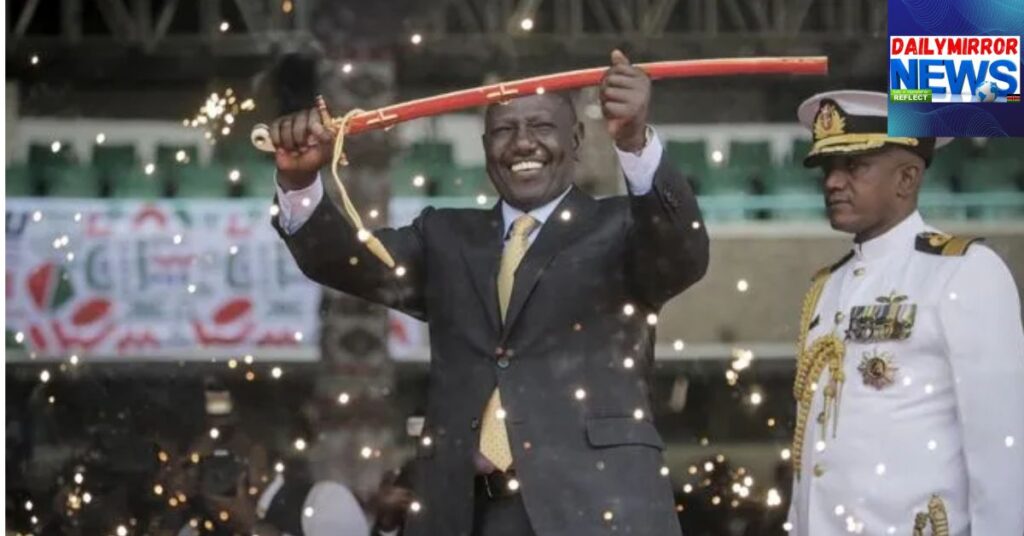
The dispute could now move through the appellate process, where higher courts may provide further interpretation of the constitutional provisions governing presidential elections and presidential tenure.
ALSO READ: Motorists Must Capture Biometrics When Renewing Smart Driving Licences, NTSA Clarifies
Explained: What Happens to Ruto’s Presidency After High Court Election Ruling
