



MP James Nyikal Denies Sponsoring Mandatory DNA Testing Bill for Newborns
Nyikal described the claims as false after a document purporting to be a parliamentary Bill went viral on social media, suggesting that he was behind a proposal to introduce compulsory DNA verification of parentage for newborns.
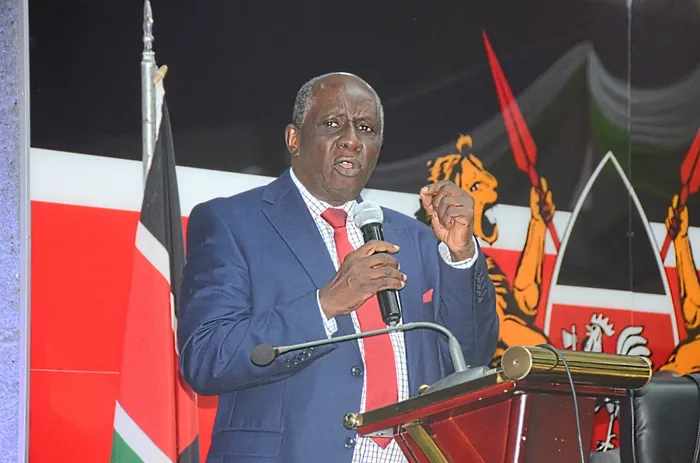
It presented the proposed legislation as an initiative intended to protect the rights of children, mothers and parents while addressing questions surrounding biological parentage.
The document stated:
“AN ACT of Parliament to provide for DNA verification of parentage at birth; to protect every child’s right to identity and family affiliation; to establish a National DNA Registry; to regulate the collection, processing, storage, use and disclosure of genetic data.”
Nyikal Rules Out Immediate Plans for DNA Bill
The publication also sought clarification on whether the Seme legislator intended to introduce a similar proposal in Parliament.
Nyikal indicated that he had no plans to pursue such legislation for now, further distancing himself from the document circulating online.
The discussion has attracted attention from members of the public, with questions emerging about parental rights, children’s identity, privacy and the role of the government in regulating genetic information.
What Kenyan Law Says About DNA Testing
Instead, DNA testing has featured in individual legal disputes, particularly cases involving paternity and questions of parental responsibility.
In some instances, courts have ordered DNA tests where establishing biological parentage was considered necessary to resolve a dispute and protect a child’s interests.
Such decisions are considered within the broader legal framework governing children’s rights, privacy and human dignity.

Constitution Protects Children’s Rights and Privacy
Article 31 protects the right to privacy, while Article 28 guarantees every person inherent dignity and the right to have that dignity respected and protected.
The Children Act, 2022, also provides a framework for protecting children’s welfare and rights, with the best interests of the child serving as a primary consideration in matters affecting them.
These provisions are relevant to discussions about compulsory DNA testing because genetic information involves personal data and questions of family identity.
Viral Document Sparks Public Debate
The circulation of the purported Bill has reignited conversations about the use of DNA testing in resolving parentage disputes and whether testing should be introduced as a routine requirement at birth.

For now, there is no confirmed indication from the Seme MP that he intends to introduce legislation requiring mandatory DNA testing for newborns.
ALSO READ: Government Warns Influencers Over Sharing Vulnerable Children’s Images in Online Fundraising
MP James Nyikal Denies Sponsoring Mandatory DNA Testing Bill for Newborns
