


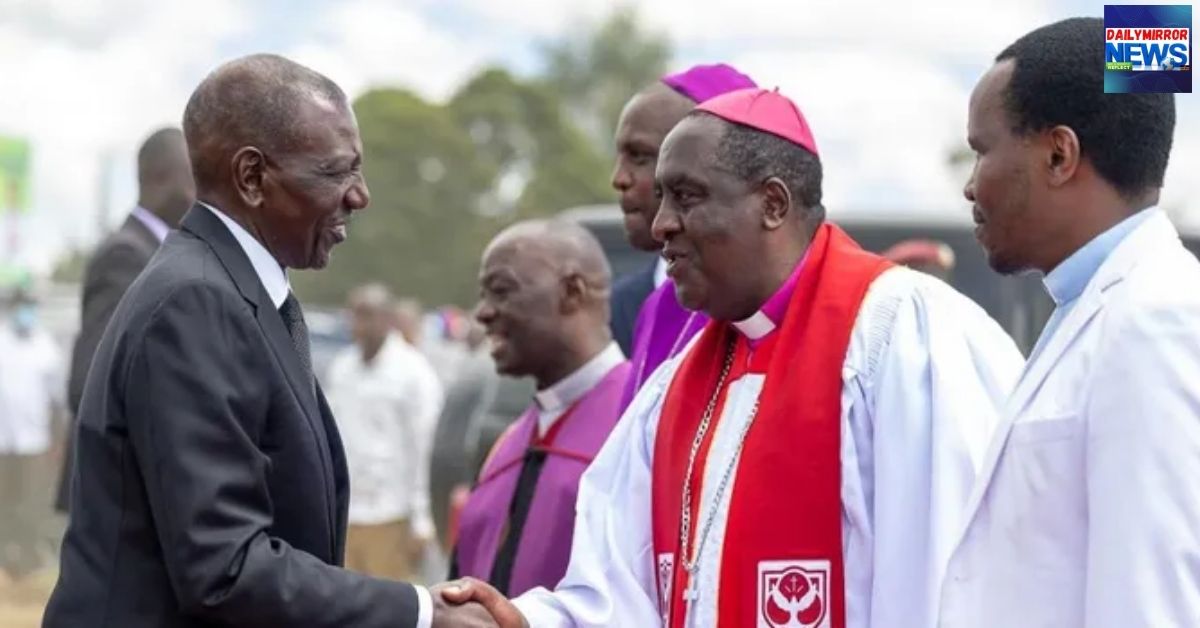
Laikipia Senator Alleges Plan to Tax Church Businesses
Kinyua said MPs aligned with the opposition would stand with churches if Parliament considers legislation seeking to change how religious organisations and their commercial activities are treated under Kenya’s tax laws.
He cited the Anglican Church of Kenya (ACK) as an example, noting that the church sponsors hundreds of schools across the country.
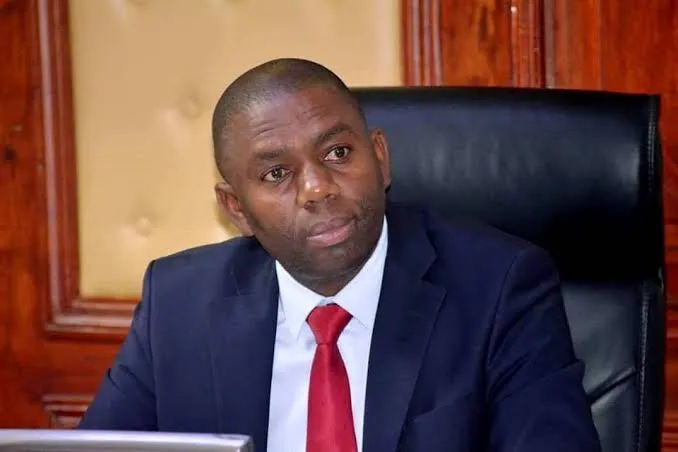
“We want to state clearly that there is a motion in Parliament concerning the sponsorship of schools. The ACK, for example, sponsors more than 735 schools. We want to tell the government that the church has its mandate and has performed its role effectively. We will oppose that motion,” Kinyua stated.
Senator Demands Public Participation
He warned that religious leaders and other stakeholders would challenge changes introduced without adequate consultation.
“Before the government does anything, the law must be followed. There must be public participation. Without that, we will declare it null and void,” he said.
The senator’s remarks have renewed discussion about the tax treatment of commercial activities operated by religious organisations.
Churches in Kenya operate a range of institutions and businesses, including schools, hospitals, property ventures, hotels and other income-generating activities.
The debate has therefore focused on whether such commercial ventures should receive the same tax treatment as similar businesses operated by private companies.
Church Businesses at Centre of Debate

The Income Tax Regulations 2024 also generated debate around the taxation of income earned from commercial activities by religious organisations and non-governmental organisations.
Supporters of greater taxation argue that commercial enterprises should meet their tax obligations regardless of who owns them. Religious organisations, however, have repeatedly raised concerns that excessive taxation could affect their ability to provide social services.
The issue has previously attracted calls for greater clarity on the distinction between religious activities and commercial ventures.
His comments also come amid wider political debate over the relationship between religious institutions and government policy.
However, there is an important distinction between the senator’s claims and the current parliamentary record.
The senator’s remarks are therefore likely to fuel further discussion about taxation, religious organisations and the role of churches in providing public services.
Any future proposal affecting the tax treatment of church-owned businesses would be expected to go through the appropriate legislative and public participation processes before becoming law.
ALSO READ: Mudavadi, Duale and Ogamba Make Fresh Appointments to Key State Boards
Laikipia Senator Alleges Plan to Tax Church Businesses
