



Fuel Price Drop to Delay as EPRA Explains 30–45 Day Lag Despite Falling Global Oil Prices
The clarification comes amid growing public expectations that easing tensions in the Middle East and declining crude oil prices would trigger an immediate reduction in pump prices across the country.
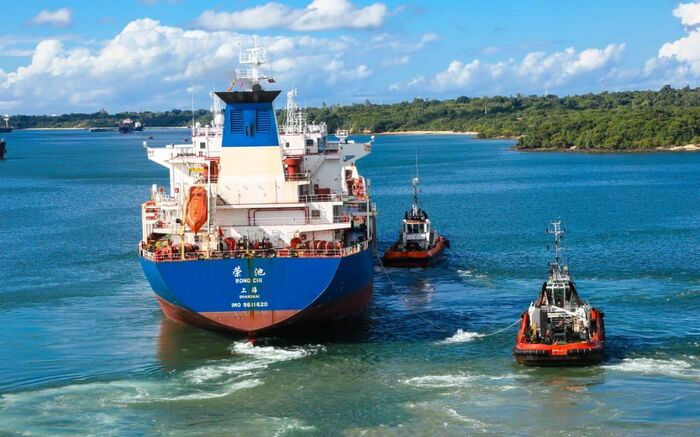
According to Kinyua, the country’s fuel supply chain involves several stages—including procurement, refining, shipping and discharge at the Port of Mombasa—before petroleum products reach local consumers.
“The supply and pricing of fuel is highly dependent on the geopolitical environment. This was one of the worst crises. But I am happy to note that there is a truce and the global oil prices are dropping,” Kinyua said.
He revealed that before the escalation of the crisis, the Free on Board (FOB) price of super petrol averaged approximately USD 686 per tonne before surging to USD 1,061 per tonne at the height of the conflict.
The spike translated into higher import costs for fuel marketers worldwide, including those supplying Kenya.
Kinyua explained that Kenya cannot instantly benefit from falling global prices because the fuel currently being sold was purchased weeks earlier when prices were considerably higher.
“The international oil prices have dropped, but remember that the barrel has to go into a refining process and then the logistics of ordering, loading, voyage and discharging,” he explained.
“Between now and when the barrel arrives in Mombasa, it takes between 30 to 45 days. That is why it may not be immediately reflected at the pump because whatever we have now was ordered 30 days before,” Kinyua added.

Kinyua also addressed public concerns surrounding the government’s recent decision to temporarily relax fuel quality standards during the supply disruption.
He clarified that the measure was implemented purely to safeguard fuel availability after logistical challenges affected traditional supply routes through the Middle East.
According to the EPRA director, Kenya has progressively adopted cleaner fuel standards over the last decade as part of efforts to reduce environmental pollution and vehicle emissions.
“Before 2015, we were at 500 parts per million. We then went to 50 parts per million. Then last year in August there was a more stringent requirement, and we went to 10 parts per million,” he said.
However, Kinyua noted that the closure and disruption of key shipping routes, particularly around the Strait of Hormuz, forced Kenya to diversify its fuel sourcing strategy.
“This crisis broke out, and we started diversifying our sources. Because of the closure of the Strait of Hormuz, we had to go and source from Europe and India. The supplier levels in some of these countries are still at 50 parts per million,” he disclosed.
Despite the temporary adjustments, EPRA maintains that Kenya remains committed to cleaner fuel standards and expects normal supply chains to resume as geopolitical tensions continue to ease.

With international oil prices showing signs of stabilising, motorists could begin experiencing lower pump prices over the coming pricing cycles once the cheaper fuel shipments ordered after the market correction arrive in the country. The regulator has urged consumers to remain patient, noting that the pricing mechanism is designed to reflect actual import costs while ensuring a stable and uninterrupted fuel supply nationwide.
ALSO READ: Court Dismisses Kenya Railways’ Bid to Evict Muthurwa Residents as High Court Upholds Housing Rights
Fuel Price Drop to Delay as EPRA Explains 30–45 Day Lag Despite Falling Global Oil Prices
