


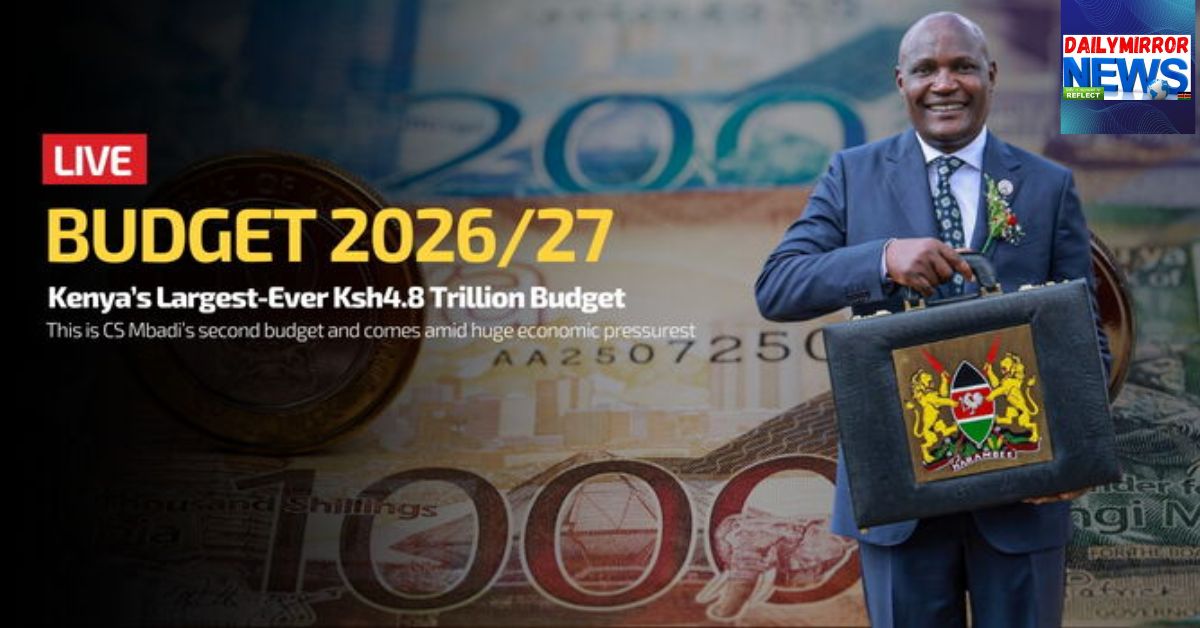
New PAYE Tax Bands Set for Debate in Parliament Ahead of Finance Bill 2026 Vote
The proposed changes, which are set to be debated by the National Assembly ahead of the crucial Finance Bill vote, seek to introduce new tax bands aimed at creating a more progressive taxation system while offering relief to lower-income earners.
The proposal comes at a time when the government is seeking to balance revenue collection needs with growing public concerns over the rising cost of living and taxation burdens on workers.

Under the proposed structure, annual income of up to KSh360,000 would attract a tax rate of 10 per cent, providing a lower tax burden for workers within the lowest income bracket.
If approved, individuals earning between KSh460,000 and KSh6.072 million annually would fall under a 25 per cent tax band, a category expected to cover a substantial portion of Kenya’s salaried workforce.
The amendments further propose a 27.5 per cent tax rate on the next KSh3.6 million of income, targeting higher-income earners while creating a clearer distinction between middle and upper-income categories.
For top earners, any income exceeding KSh9.6 million annually would attract the highest tax rate of 30 per cent.
“The proposed amendments seek to create a more progressive taxation structure while ensuring fairness across different income categories,” parliamentary documents state.
According to projections, the revised PAYE framework could directly affect more than 3.1 million Kenyan workers who currently contribute Pay As You Earn taxes to the Kenya Revenue Authority (KRA).
Beyond income tax reforms, the Finance Bill 2026 also proposes significant changes to the taxation of digital transactions.

One of the key amendments seeks to broaden the definition of royalties to include digital payment card networks and platforms. The revised definition would cover transaction fees, processing charges, network fees, and other payments associated with access to proprietary digital payment systems.
Analysts believe the proposal could affect major international and local payment service providers operating in Kenya’s rapidly growing digital economy.
The proposed tax reforms have already sparked debate among lawmakers, economists, employers, and workers, with supporters arguing that the changes would create a fairer tax regime while critics question their potential impact on disposable incomes and business costs.
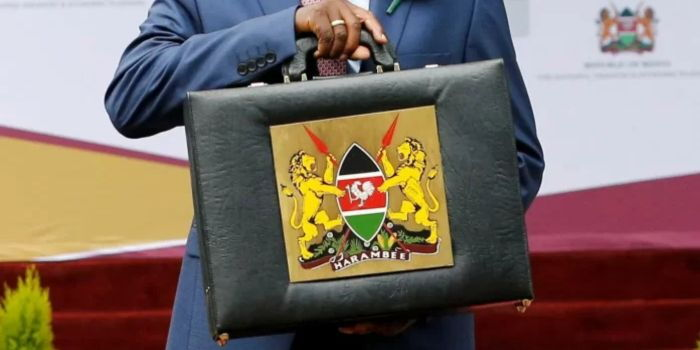
The outcome of the parliamentary vote could shape Kenya’s tax policy for years to come, influencing household incomes, government revenues, and the overall cost of doing business in the country.
ALSO READ: MPs Pass Finance Bill 2026 After Third Reading Vote, Clearing Final Parliamentary Hurdle
New PAYE Tax Bands Set for Debate in Parliament Ahead of Finance Bill 2026 Vote
