


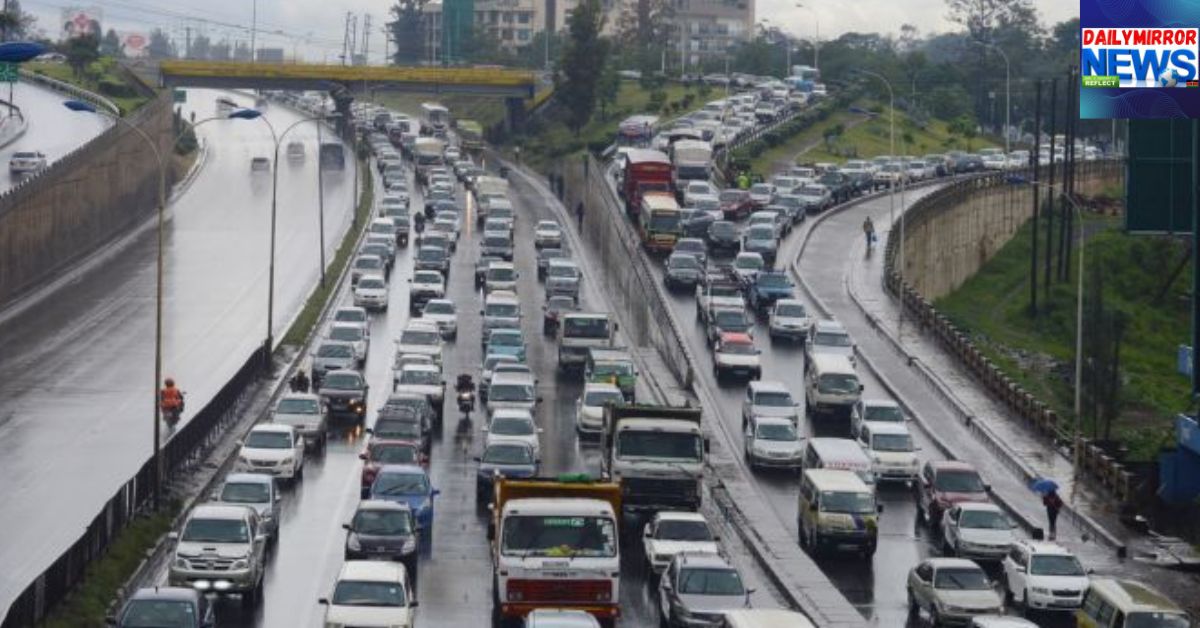
FMAK Demands Audit of Fuel Pricing Formula, Accuses EPRA of Lack of Transparency
The association’s criticism comes just hours after EPRA announced new fuel prices for the June-July 2026 pricing cycle, which saw the cost of Super Petrol reduced by only Ksh0.22 per litre, while diesel prices dropped by Ksh10.00 per litre. Kerosene prices remained unchanged.

“At FMAK, we express profound disappointment and outrage at the latest fuel price review announced by the Energy and Petroleum Regulatory Authority (EPRA), which reduced the price of petrol by a mere Ksh0.22 per litre and delivered the sly political promise of a Ksh10 reduction in diesel prices outside the law,” the association stated.
According to the lobby group, the marginal reduction in petrol prices offers little relief to millions of Kenyans already grappling with the high cost of living, rising transport expenses, and increased household expenditures.
Questions Raised Over Diesel Price Reduction
The association claimed that following widespread protests and threats of a nationwide transport sector strike last month, the government came under immense pressure to address concerns raised by public transport operators and businesses.
“The Government found itself under intense pressure following the threatened nationwide fuel and transport sector strike. Instead of addressing the fundamental concerns raised by transport operators and consumers, diesel prices were reportedly negotiated through opaque political engagements with a splinter group in Mombasa,” the statement said.
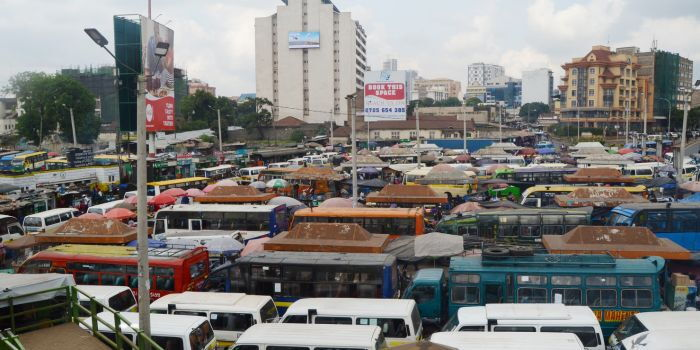
The association added that the move appeared designed to calm public discontent rather than address long-standing concerns regarding fuel pricing mechanisms.
Concern Over Unchanged Kerosene Prices
The lobby group noted that many vulnerable families have already been struggling with elevated energy costs and expected a reduction in kerosene prices following the decline in global oil prices.
According to FMAK, previous fuel price reviews saw substantial increases imposed on consumers even when international crude oil prices had not risen proportionately.
At the time, government officials attributed the increases to costs associated with the Government-to-Government oil import arrangement involving Gulf nations.
However, the association questioned why similar justifications are not applied when global prices decline.
“During May 2026, international crude oil prices fell significantly, dropping by approximately 20 per cent from their recent highs. Yet despite these substantial global reductions, Kenyan consumers have been denied the benefits. Instead, petrol prices have been reduced by a token Ksh0.22 per litre,” FMAK argued.
Calls for Public Audit and Parliamentary Oversight
As pressure mounts, FMAK is now demanding a comprehensive public audit of Kenya’s fuel pricing framework and immediate disclosure of all calculations used in determining the June-July fuel prices.
The association has also called on Parliament to investigate EPRA’s operations and assess whether the regulator remains independent in carrying out its mandate.
Further, the lobby group wants lawmakers to examine the influence of political decisions on fuel pricing and ensure greater accountability in future reviews.
The latest dispute highlights growing public scrutiny over fuel prices in Kenya, with consumers increasingly demanding transparency as energy costs continue to play a major role in shaping the country’s economic outlook.
ALSO READ: EPRA Cuts Diesel by Ksh10 as Petrol Drops Slightly in New June-July Fuel Price Review
FMAK Demands Audit of Fuel Pricing Formula, Accuses EPRA of Lack of Transparency
