


FKE Calls for Halt of Planned Minimum Wage Increase Ahead of Labour Day
Speaking during the Rift Valley branch’s 37th Annual General Meeting, FKE representatives expressed concern that a wage increment at this time could disproportionately affect small and medium-sized enterprises (SMEs), which form the backbone of Kenya’s economy.
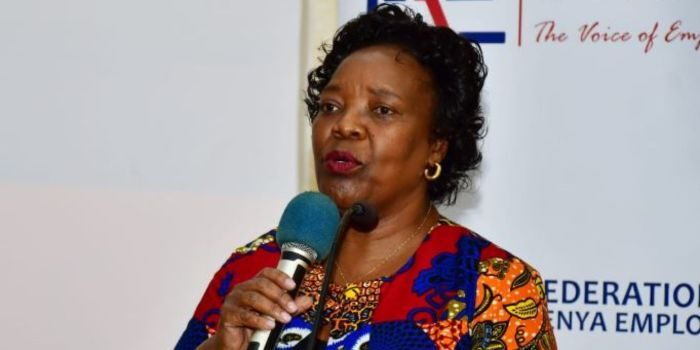
“As a federation of Kenyan employers, we are aware that the last review for minimum wage increases was done two years ago,” Mugo said.
“But we are also aware that businesses are struggling, and we will be appealing to the government to balance the interests of businesses and the interests of employees,” she added.
A key area of concern raised by FKE is the proposal to harmonise minimum wage terms in the agricultural sector with those set by the general wages council. According to the federation, such a move could significantly raise labour costs in agriculture, a sector already facing multiple structural challenges.
FKE also used the forum to highlight ongoing delays in the processing of Value Added Tax (VAT) refunds, which it says are negatively impacting business liquidity, particularly within the agribusiness sector.
Despite legal provisions requiring refunds to be processed within 90 days, the federation noted that many companies continue to experience prolonged delays, effectively tying up working capital that could otherwise be used for expansion and operational stability.
“Refunds should be processed within 90 days, but this is not happening fast enough. We are appealing to KRA to expedite the verification process and settle legitimate claims on time,” Mugo stated.
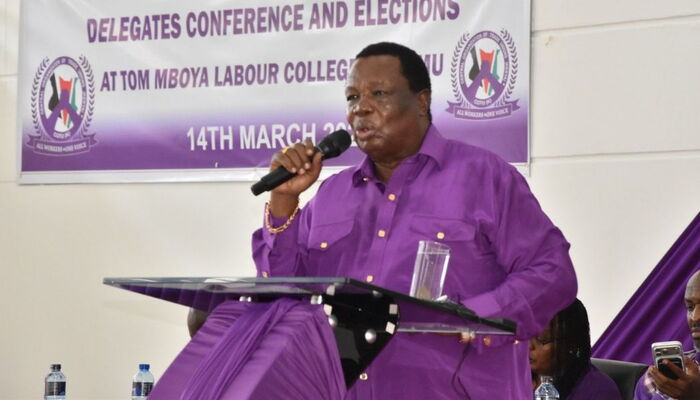
The employers’ concerns come at a time when labour unions, led by the Central Organisation of Trade Unions (COTU), have been pushing for an increase in the minimum wage to cushion workers against the rising cost of living.
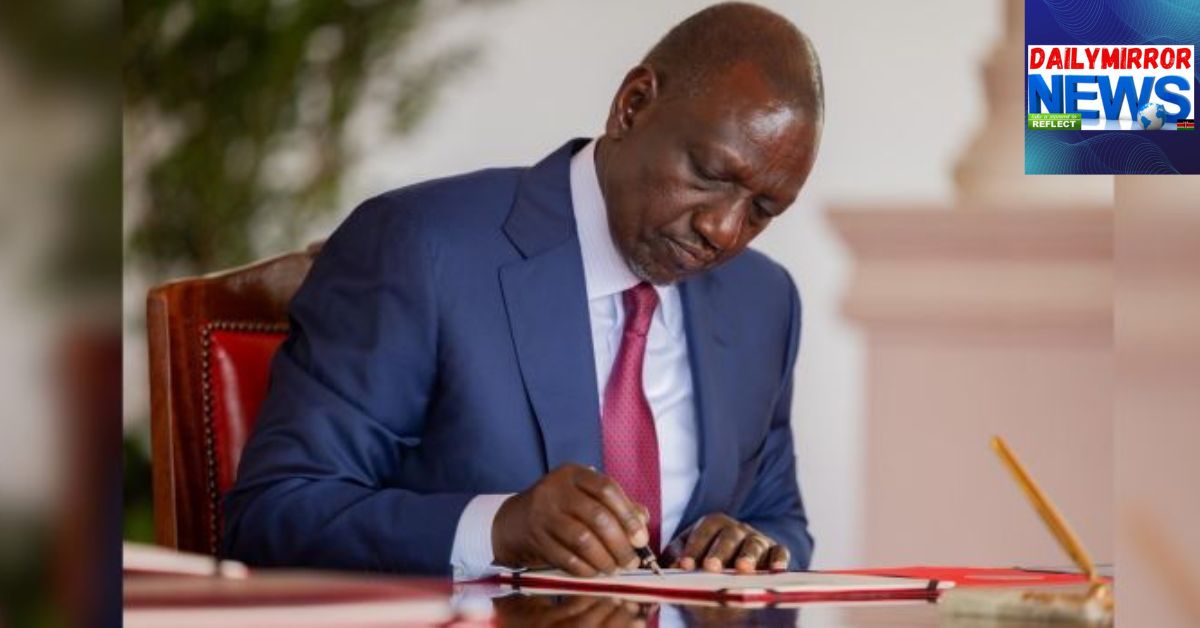
President William Ruto is expected to address the issue during the upcoming Labour Day celebrations on May 1, 2026, where announcements on wage policy are traditionally made.
Analysts note that the government faces a delicate balancing act between protecting workers’ welfare and ensuring business sustainability. While wage increases can boost consumer spending, they may also increase production costs and affect employment levels if not carefully calibrated.
The debate highlights broader questions about Kenya’s economic trajectory, particularly in relation to job creation, industrial growth, and income distribution.
As stakeholders await the government’s final position, the outcome of the minimum wage discussions is expected to have far-reaching implications for both employers and employees across various sectors of the economy.
ALSO READ: MP Caleb Amisi Officially Registers Own Party Amid Splits in ODM
FKE Calls for Halt of Planned Minimum Wage Increase Ahead of Labour Day
