



Dangote Plans Nigeria-Style Oil Refinery in East Africa, Raising Hopes for Cheaper Fuel
Dangote made the announcement during the Africa We Build Summit 2026 held in Nairobi on April 23, where he addressed a gathering of regional leaders, investors, and industry stakeholders. The summit was attended by President William Ruto and Uganda’s President Yoweri Museveni, among other high-profile delegates.
The proposed refinery, modelled after the massive Dangote Refinery, is expected to be located in Tanga, positioning it strategically along the East African coastline to serve multiple markets across the region.
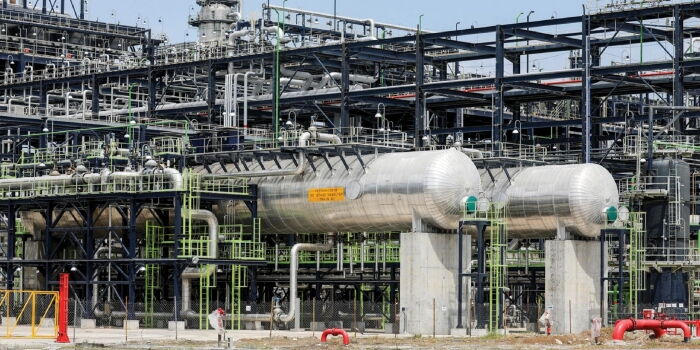
According to Dangote, the project will also include a pipeline network linking the refinery to Mombasa, enabling integration with the infrastructure of the Kenya Pipeline Company for onward distribution of refined petroleum products within Kenya and neighbouring countries.
“Even now, I can give commitment to the two presidents who were here. If they will support the refinery, we’ll build an identical one to the one we have in Nigeria,” Dangote stated.
The announcement has generated optimism among policymakers and industry players, who view the project as a potential solution to the region’s long-standing dependence on imported refined petroleum products. Currently, most East African countries rely heavily on fuel imports, exposing them to global price fluctuations and supply chain disruptions.
Analysts suggest that a regional refinery of this scale could stabilise fuel supply, reduce transportation costs, and ultimately translate into lower pump prices for consumers. It could also enhance energy security and support industrial growth by ensuring consistent availability of refined products.
However, Dangote made it clear that the success of the project will depend heavily on political goodwill and institutional support from regional governments. He emphasised the need for policy alignment, infrastructure facilitation, and a conducive investment climate.
The proposal comes at a time when East African economies are grappling with rising fuel costs, which have had a ripple effect on inflation, transport, and the cost of basic commodities. Governments in the region have been exploring various strategies to address the issue, including supply agreements and regulatory interventions.
Beyond fuel pricing, the project is also expected to create employment opportunities, stimulate local industries, and attract further investment into the region. Large-scale infrastructure developments, such as pipelines and storage facilities, could further enhance economic integration within East Africa.
Despite the optimism, experts caution that large refinery projects require substantial capital investment, regulatory approvals, and long implementation timelines. Past attempts to establish similar facilities in the region have faced challenges related to financing, logistics, and policy coordination.
Nevertheless, Dangote’s track record in executing major industrial projects, particularly in Nigeria, has added credibility to the proposal. The Lagos-based refinery, one of the largest in the world, has already begun transforming Nigeria’s energy sector by reducing reliance on imported fuel.
As discussions progress, attention will shift to the level of commitment from regional governments and how quickly feasibility studies, agreements, and financing structures can be put in place.
If realised, the proposed refinery could mark a turning point in East Africa’s energy sector, offering a pathway toward more affordable fuel and greater economic resilience.
ALSO READ: Documents Contradict CS’s Account on Substandard Fuel, Reveal 10-Day Gap
Dangote Plans Nigeria-Style Oil Refinery in East Africa, Raising Hopes for Cheaper Fuel
