


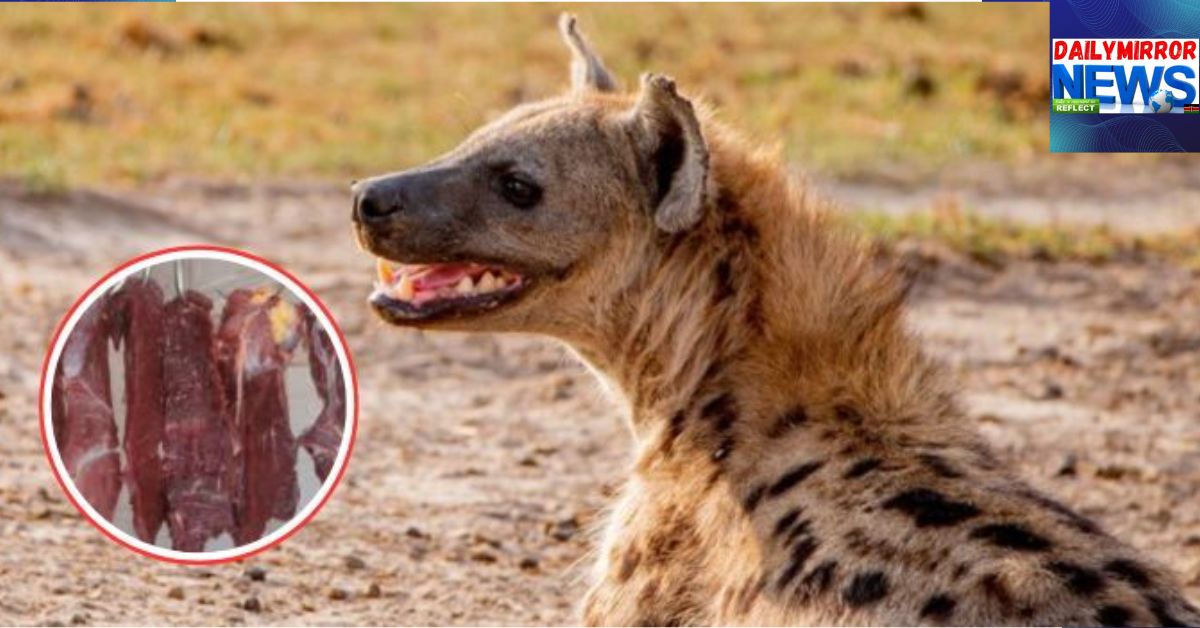
KWS Raises Alarm After Residents Kill Hyena in Thika
In a statement released on Saturday, April 11, the wildlife agency warned that consuming meat from the animal poses serious health risks, noting that hyenas are scavengers commonly associated with dangerous zoonotic diseases.
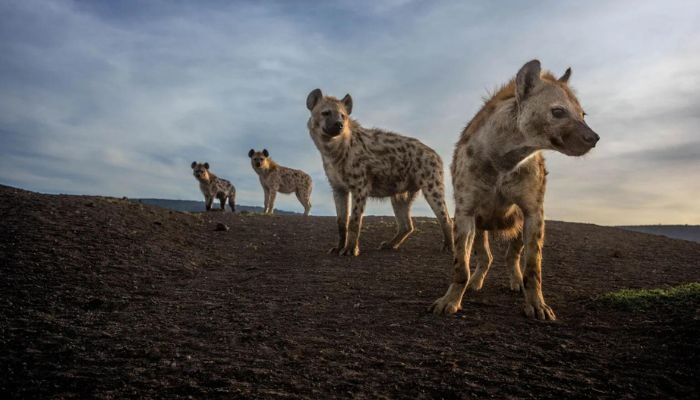
“A hyena was found feeding on dumped poultry remains in Kamenu Location, Thika West Sub-County, Kiambu County. The animal was surrounded by residents, chased, killed, and slaughtered before response teams arrived,” KWS said in its statement.
The agency added that after the animal was killed and butchered, individuals at the scene took away various parts, including internal organs, raising concerns about possible exposure to infectious diseases.
“Members of the public are strongly warned not to handle or consume any meat from the animal,” the agency cautioned.
Public health experts have long warned against the consumption of wild animals, particularly scavengers such as the hyena, due to the high risk of disease transmission. Hyenas are known carriers of several zoonotic diseases, including Rabies, Anthrax, and Brucellosis. They may also harbour foodborne pathogens such as Salmonella infection and E. coli infection.
Health authorities warn that handling or consuming contaminated meat could lead to severe illness or even death, particularly if the meat is not properly inspected or cooked under safe conditions.
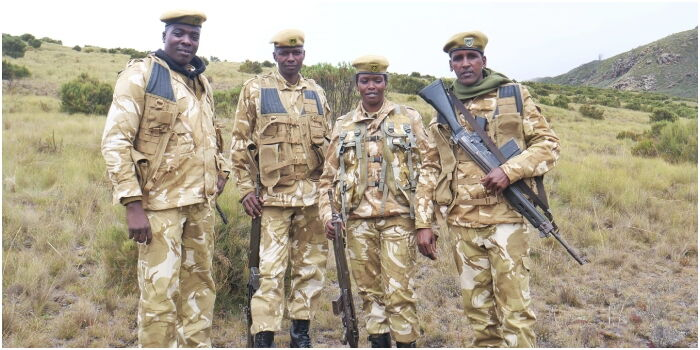
KWS further advised any individuals who may have come into contact with the carcass or consumed the meat to seek immediate medical attention and report the exposure to health officials.
Offenders found guilty of such acts risk heavy fines exceeding Ksh20 million or life imprisonment, depending on the nature and severity of the offence.
“The public is urged to report any wildlife sightings promptly and allow trained personnel to handle such situations safely,” KWS added.
The incident has reignited concerns over human-wildlife conflict in areas bordering natural habitats, where animals occasionally stray into residential zones in search of food. Poor waste disposal practices, such as dumping animal remains, are often cited as factors attracting wildlife into populated areas.
Authorities are now urging communities to adopt safer waste management practices and cooperate with wildlife officers to prevent similar incidents in the future.
As investigations continue, KWS has reiterated its commitment to safeguarding both public health and wildlife, warning that unlawful interactions with wild animals pose risks not only to individuals but also to broader environmental conservation efforts.
ALSO READ: Ruto Claims Next African Billionaires Will Be Farmers
KWS Raises Alarm After Residents Kill Hyena in Thika

1 Comment
Pingback: KWS Cuts Entry Fees for Teachers & Students Across Several Parks Nationwide - Daily Mirror