


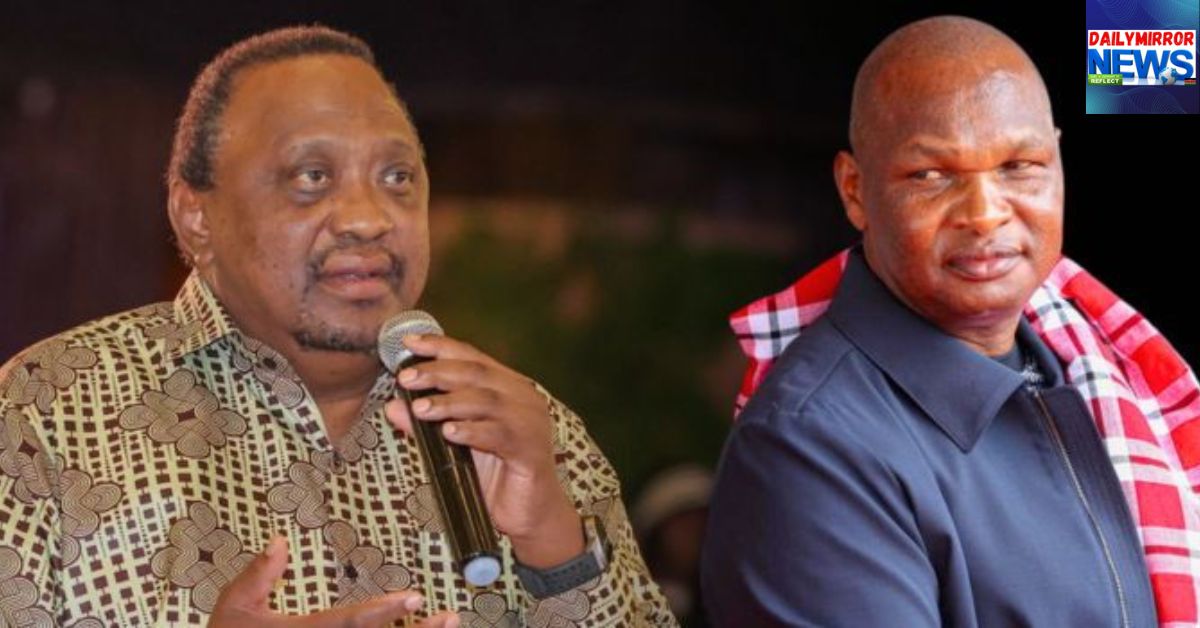
Farouk Kibet Goes after Uhuru Kenyatta again, Asks Him to Keep Off Politics
Allies of President William Ruto have intensified criticism of former President Uhuru Kenyatta, urging him to withdraw from active political engagement and respect his retirement, as tensions continue to build ahead of the 2027 General Election.
The latest remarks were made by Ruto’s aide Farouk Kibet, who accused the former Head of State of attempting to undermine the current administration through renewed political activity.
Speaking on Saturday, April 4, during the Purko Nyangulo Empowerment event in Narok South, Kibet criticised Kenyatta’s recent public appearances and statements, arguing that they portray a misleading narrative about his tenure in office.

“Why is it that after you have retired you don’t want to respect others and allow them to serve?” Kibet posed, questioning the former president’s continued involvement in national politics.
Kibet further accused Kenyatta of re-emerging as a self-styled progressive leader while, in his view, failing to acknowledge shortcomings during his administration. He argued that the previous government left behind significant economic challenges that the current leadership is working to address.
“When he was president, we trusted that he would serve all Kenyans… we want him to advise the country in his capacity as a retired president,” Kibet added.
The aide also took issue with remarks attributed to Kenyatta during a recent funeral service, where the former president reportedly suggested that Kenyans made a mistake in electing the current administration. Kibet described such comments as unhelpful and potentially divisive.
He further accused Kenyatta of promoting tribal divisions, warning that political rhetoric along ethnic lines undermines national unity.
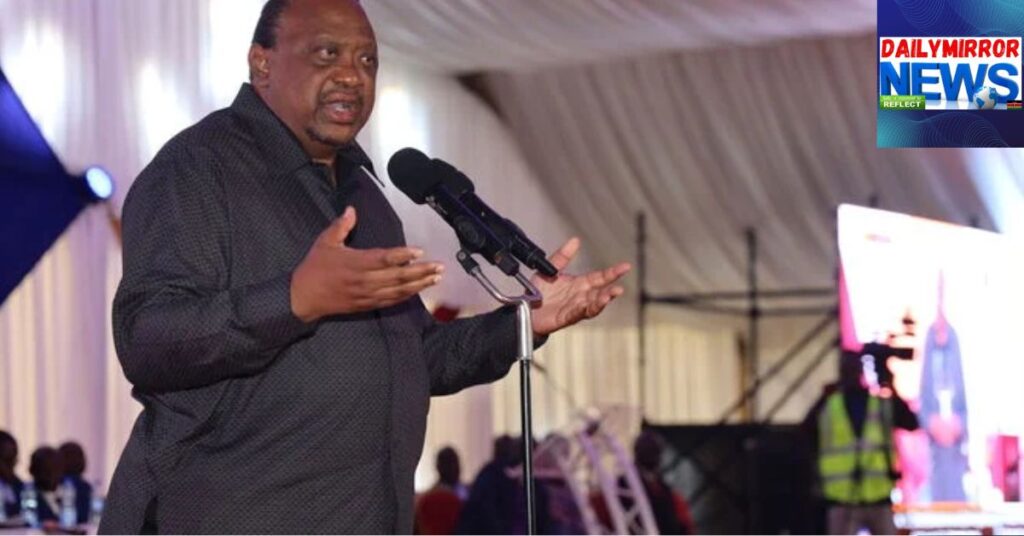
“We have seen some leaders embracing tribalism… these Maasais elected the president not to be tribal but to serve them,” he said.
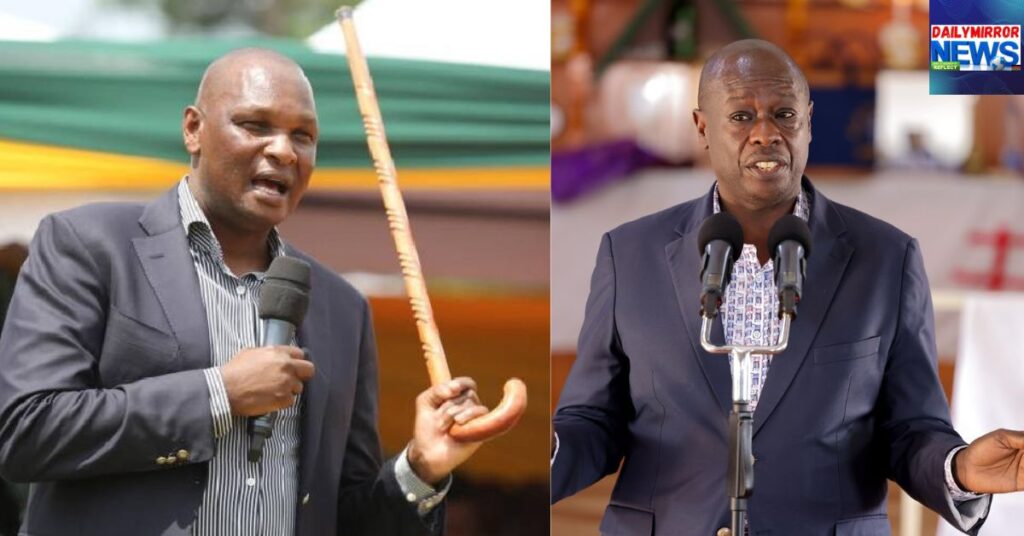
Cheruiyot referenced former Presidents Daniel arap Moi and Mwai Kibaki, noting that both refrained from interfering with their successors after retirement.
According to Cheruiyot, Moi, who left office in 2002, allowed Kibaki to govern without disruption, while Kibaki similarly maintained a low profile following his retirement in 2013, enabling Kenyatta to lead without interference.
Kenyatta is also believed to be associated with broader opposition mobilisation efforts, including initiatives such as the “Linda Mwananchi” movement, which has drawn participation from leaders like Edwin Sifuna and sections of the opposition.
In previous remarks, Kibet had accused Kenyatta of covertly financing opposition activities, warning that authorities would take action against any funds used to destabilise the government.
“We will not allow politics that foster division in this country,” Kibet said, signalling a firm stance by the administration’s allies.
The escalating rhetoric highlights deepening political divisions as Kenya’s political landscape begins to take shape ahead of the 2027 elections. Analysts suggest that the growing exchanges between government allies and opposition figures could define the tone of political engagement in the coming years.
As both sides position themselves for future contests, calls for restraint and constructive dialogue are likely to intensify, particularly as concerns grow over rising political temperatures and their potential impact on national cohesion.
ALSO READ: Global Oil Spike Sparks Inflation Fears in Kenya Ahead of EPRA Pricing Review
Farouk Kibet Goes after Uhuru Kenyatta again, Asks Him to Keep Off Politics
