



Global Oil Spike Sparks Inflation Fears in Kenya Ahead of EPRA Pricing Review
The latest surge follows escalating uncertainty around the Strait of Hormuz, a critical global shipping route through which approximately 20 percent of the world’s oil supply passes. The situation intensified after U.S. President Donald Trump issued a stern warning to Iran, threatening action against key infrastructure if the strategic waterway remains disrupted.

The Strait of Hormuz, located between Iran and Oman, is widely regarded as one of the most vital oil transit chokepoints in the world. Any disruption to traffic through the corridor has immediate global repercussions, often resulting in increased fuel costs and heightened inflation risks—particularly for oil-importing nations such as Kenya.
“There is a good chance an agreement will be reached,” Trump said in a recent media interview, while also warning of possible military escalation if negotiations fail.
In Kenya, the developments have sparked concern among policymakers and consumers alike, as the country prepares for EPRA’s scheduled fuel price review on April 14. Given Kenya’s heavy reliance on imported refined petroleum products, fluctuations in global oil prices are quickly reflected in domestic pump prices through the regulator’s monthly pricing formula.
Economists caution that a sustained increase in fuel prices could have a ripple effect across multiple sectors of the economy, including transport, manufacturing, and food production, ultimately driving up the cost of living.
The National Treasury, led by Cabinet Secretary John Mbadi, has also indicated that it is closely monitoring global oil market trends and stands ready to intervene if necessary to mitigate economic risks.
Energy and Petroleum Cabinet Secretary Opiyo Wandayi echoed similar sentiments, assuring Kenyans that the country’s fuel supply remains stable despite the ongoing tensions.
“The country maintains adequate fuel reserves and supply chains remain intact,” Wandayi said in a recent statement.
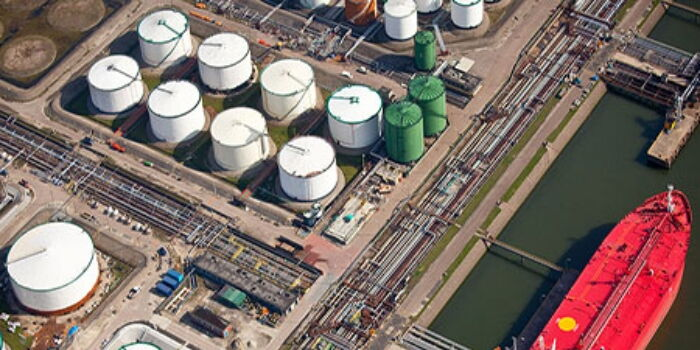
However, official estimates indicate that Kenya currently holds fuel reserves sufficient for approximately 16 days. This timeline has raised concerns that, should disruptions persist, stock levels could tighten around the same period as the upcoming EPRA pricing review.
Industry experts note that while short-term reserves may provide a buffer, prolonged instability in the Gulf region could expose Kenya to supply constraints and higher import costs.
As global markets remain volatile, attention is now focused on how Kenyan authorities will balance price stability with market realities in the coming weeks. The outcome of the April 14 EPRA review is expected to be closely watched, as it will likely determine whether the current global oil shock translates into higher fuel prices for consumers.

ALSO READ; ODM Leaders Insist on Stronghold Protection as UDA Rejects Zoning Calls
Global Oil Spike Sparks Inflation Fears in Kenya Ahead of EPRA Pricing Review
