


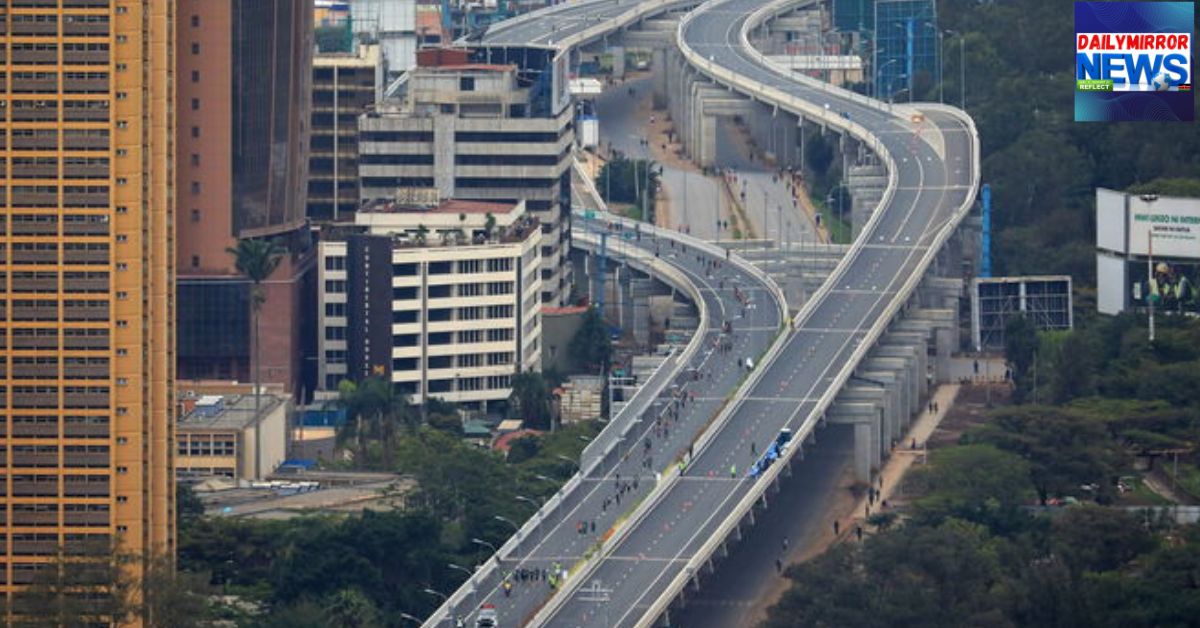
MOJA Expressway Issues Warning Over Overloaded Vehicles on Nairobi Expressway
The warning was issued by MOJA Expressway Company Limited, the firm responsible for managing operations and safety on the 27-kilometre highway that links Jomo Kenyatta International Airport to the city’s western suburbs.
In a statement, the company described the practice—particularly common among public service vehicles (PSVs)—as both unlawful and dangerous, noting that it poses a serious threat to road users.
“Carrying passengers in overloaded vehicles is strictly prohibited on the Nairobi Expressway. Kindly adhere to the legal capacity for a safe and smooth trip,” the operator said.
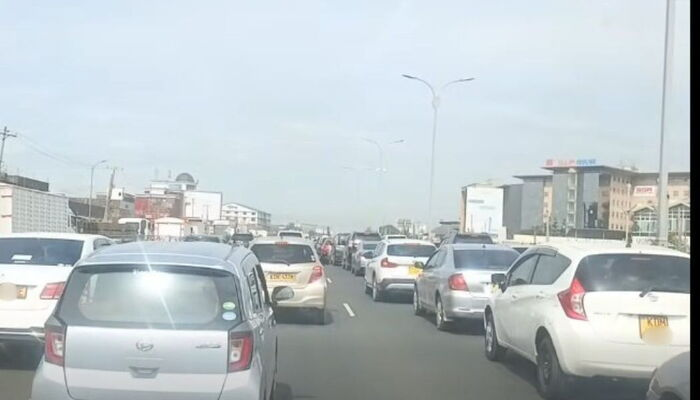
Authorities urged drivers to observe both passenger and weight limits, emphasizing that the expressway was designed for controlled, high-speed travel where vehicle stability and predictable traffic flow are critical.
PSV Practices Raise Alarm
The warning comes amid reports that some matatus and shuttle buses are picking up additional passengers shortly before entering the tolled highway, especially from feeder routes such as Airport North Road, which connects to the Eastern Bypass.
Investigations indicate that passengers often board vehicles at informal points just before entry, allowing operators to maximise fares while avoiding detection at official stages.
In extreme cases, some PSVs have reportedly carried up to 15 passengers beyond their licensed capacity. The practice has been attributed in part to the absence of routine traffic police patrols on the expressway, which relies heavily on surveillance cameras and automated systems.
Transport experts warn that such overcrowding significantly increases accident risks, particularly on infrastructure designed for speeds exceeding 80 kilometres per hour.
Why Overloading Is Dangerous
Brake performance is also severely compromised. Overloaded vehicles require longer stopping distances, and excessive strain can cause brakes to overheat or fail entirely—potentially leading to catastrophic collisions.

Mechanical wear is another concern. Suspension systems, tyres, and axles deteriorate faster under excessive loads, increasing the likelihood of breakdowns or tyre blowouts at high speeds.
Impact on Infrastructure
Beyond safety risks, overloaded vehicles can damage road infrastructure, especially bridges, ramps, and elevated sections that are engineered for specific load limits.
For heavy commercial vehicles, repeated overloading can accelerate pavement deterioration, resulting in costly maintenance and repairs. Authorities in many countries impose steep fines or restrictions on operators found violating weight regulations.
Officials say persistent offenders may face suspension or permanent bans from using tolled expressways—penalties that can significantly affect commercial transport businesses.
Call for Compliance
Transport analysts say enforcement may need to be strengthened through targeted inspections at entry points, collaboration with traffic police, and penalties for non-compliant operators.
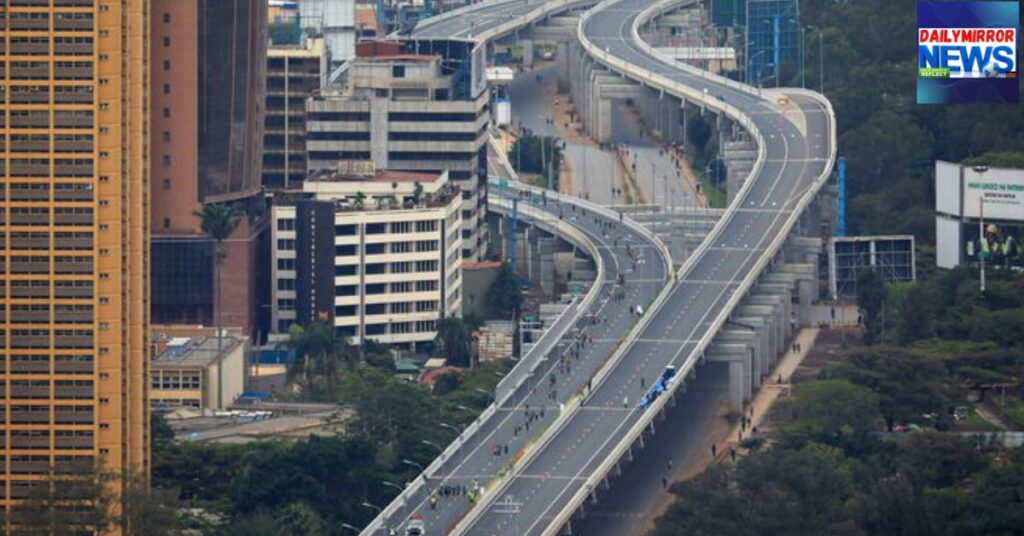
The Nairobi Expressway, launched to ease congestion along Mombasa Road and Uhuru Highway, has become a critical artery for commuters, logistics firms, and airport traffic. Any disruption caused by accidents or breakdowns can quickly ripple across the broader transport network.
As traffic volumes continue to rise, authorities warn that maintaining discipline on the expressway is essential to preserving its efficiency and safety.
For now, the message from operators is clear: safety on the expressway begins with responsible driving and strict adherence to capacity rules.
ALSO READ: Natembeya’s Legal Victory Under Threat as DPP Moves to Appeal
MOJA Expressway Issues Warning Over Overloaded Vehicles on Nairobi Expressway
