


Kenya and Russia Agree to End Recruitment of Kenyans for Military Operations
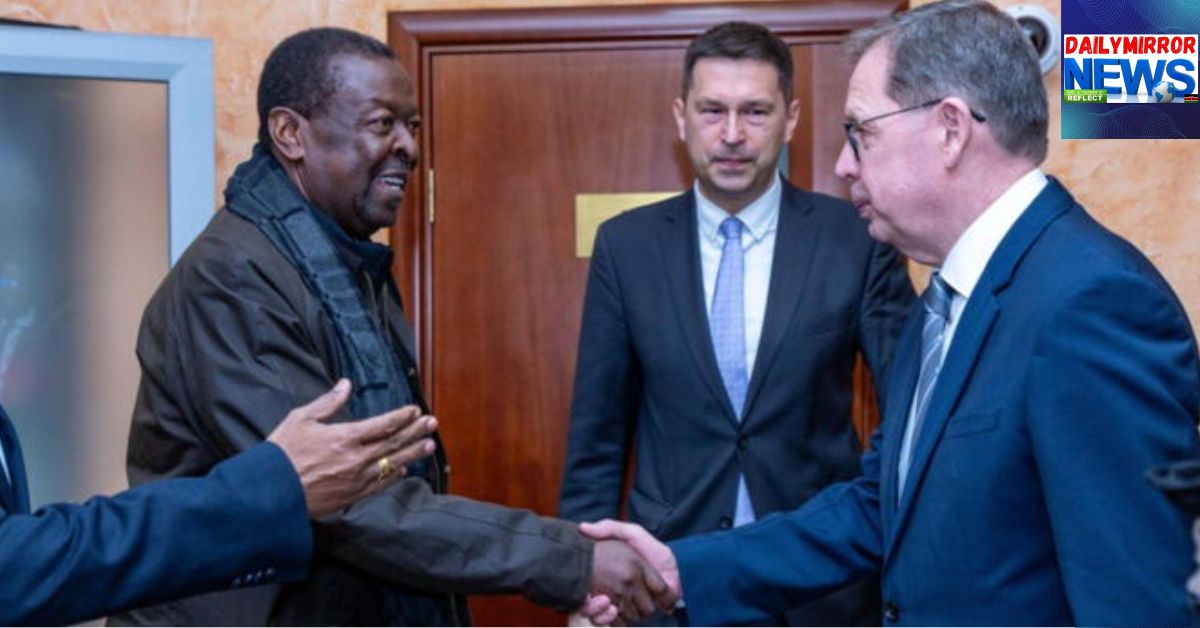
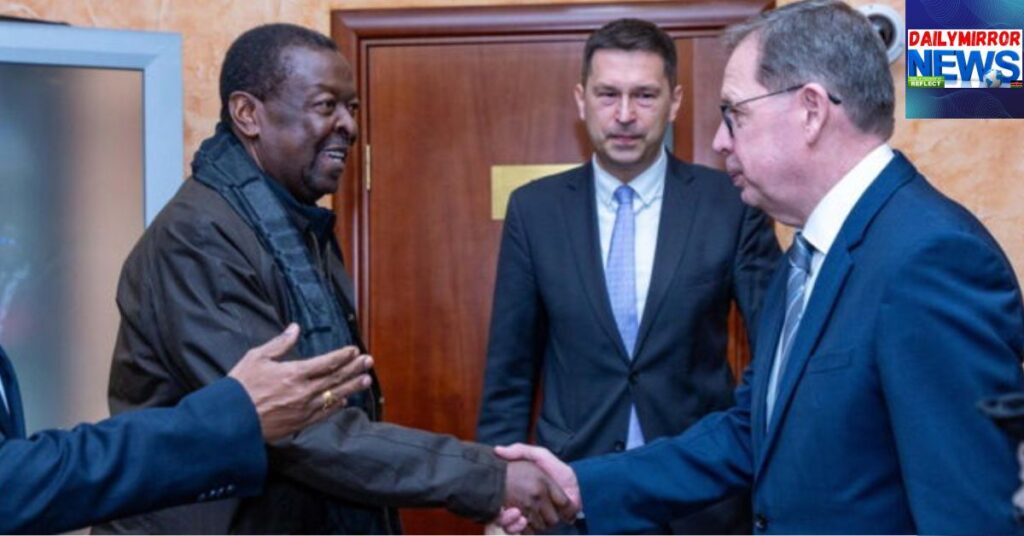
Mudavadi disclosed the development during a joint press briefing on Monday, March 16, where he addressed concerns about Kenyan nationals who have been enlisted to fight in the ongoing war between Russia and Ukraine.
According to the Prime CS, the Kenyan government engaged Russian leadership, including President Vladimir Putin, on the welfare and status of Kenyans currently in Russia, culminating in an agreement to stop further enlistment.
“The second point I want to address is to confirm that His Excellency has discussed with us the welfare of Kenyans in Russia, including those involved in military operations. I want to make it clear that we have agreed that Kenyans will no longer be enlisted for special operations through the Defence Ministry,” Mudavadi stated.
Long-Standing Diplomatic Relations
“Kenya and Russia have had a partnership for over 60 years. This mission is primarily meant to underscore that long-standing relationship,” members of the Russian delegation noted during the briefing.
Officials from both countries indicated that future cooperation would focus on lawful labour mobility and economic engagement rather than military involvement.
Proposed Labour Framework
As part of the discussions, the two governments agreed to pursue a formal labour agreement aimed at regulating employment opportunities for Kenyans in Russia and preventing exploitation.
“Ladies and gentlemen, we do not want, for any reason, our partnership to be undermined by special operations. The relationship between Kenya and Russia is far deeper than that. We believe we have now found common ground, and opportunities for engagement have been properly offered through official channels,” Mudavadi said.
Controversy Over Recruitment Practices
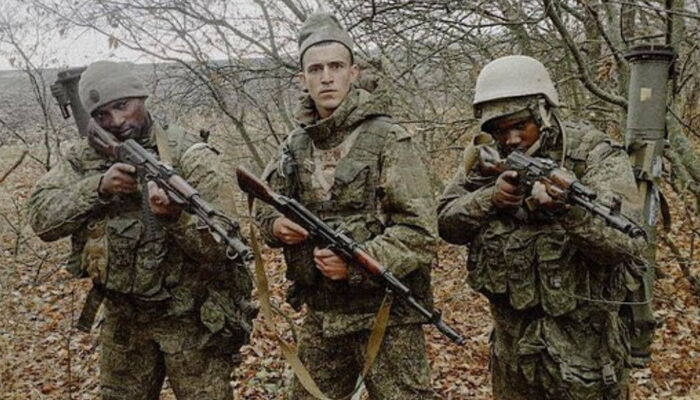
The announcement comes amid mounting concern in Kenya over reports that citizens were being recruited into the Russian military through deceptive job offers. Previous investigations suggested that some individuals were promised civilian employment before being compelled to sign military contracts upon arrival.
However, Russian Foreign Minister Sergey Lavrov rejected claims of coercion, maintaining that foreign recruits acted voluntarily and were fully informed of the implications.
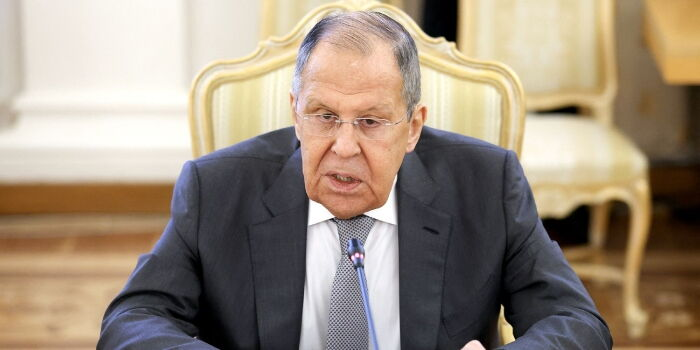
“All Kenyans, as well as all foreign nationals who signed contracts for military operations, did so voluntarily. Once a contract terminates, the individual is no longer bound and is free to make their own decisions,” Lavrov stated.
He added that Russia hosts foreign volunteers from multiple countries and that Kenya is not being singled out.
Repatriation and Welfare Concerns
On the question of returning Kenyan nationals home, Russian officials indicated that individuals who joined the military would be responsible for arranging their own repatriation after completing or terminating their contracts.
The issue has generated significant public concern in Kenya, particularly among families seeking information about missing or injured relatives.
Broader Diplomatic Implications
Analysts say the agreement could ease domestic pressure on the Kenyan government while reinforcing diplomatic engagement between Nairobi and Moscow. It also signals a shift toward prioritizing the safety and welfare of Kenyan nationals abroad.
Government officials emphasized that ongoing diplomatic channels will remain open to address humanitarian concerns and monitor the situation of Kenyans already in Russia.
For many families affected by the conflict, the announcement offers cautious hope that further recruitment will cease and that structured pathways for assistance and protection may soon follow.
ALSO READ: Kenyan Agricultural Exports to China to Become Duty-Free from May 1, Ministry Announces
Kenya and Russia Agree to End Recruitment of Kenyans for Military Operations
