



Kenya Met Boss Attributes Unusual February Rains to Madden-Julian Oscillation Phenomenon
The Director General of the Kenya Meteorological Department, Edward Muriuki, has attributed the unusual rainfall experienced across parts of the country in February to a global tropical weather system known as the Madden-Julian Oscillation (MJO).
Speaking during an interview on Citizen TV on Monday, March 2, Muriuki explained that the recent off-season showers were driven by this large-scale atmospheric disturbance, which moves eastward around the equator and plays a significant role in influencing rainfall patterns in tropical regions.
“In the past two weeks, we have experienced some off-season rains that have been occasioned by a tropical disturbance that moves in an easterly direction, which is known as Madden-Julian Oscillation,” Muriuki stated.
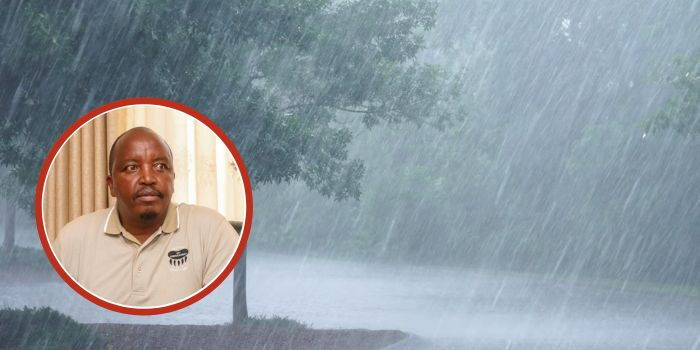
“This oscillation was discovered by two scientists in 1971. It has two main faces, one where it suppresses the rainfall and another where it enhances it. So in the last two weeks, it has enhanced our rainfall,” he added.
Muriuki noted that Kenya is currently transitioning into the long rains period, which spans March to May, with widespread showers expected to intensify in the coming weeks before gradually subsiding toward the end of May.
“Currently, the country is in transition to the March, April and May long rains season. Kenya experiences two major seasons: March, April and May, and then October, November and December,” he explained.
He pointed out that Kenya’s rainfall patterns are largely influenced by the movement of the Intertropical Convergence Zone (ITCZ), a low-pressure belt that shifts north and south in response to the position of the sun, bringing seasonal rains to different parts of the country.
The announcement comes amid growing concern over the potential impacts of intensified rainfall, particularly in flood-prone areas. Muriuki warned that heavy downpours are expected in at least 22 counties starting Tuesday this week, raising the risk of flooding and associated disruptions.
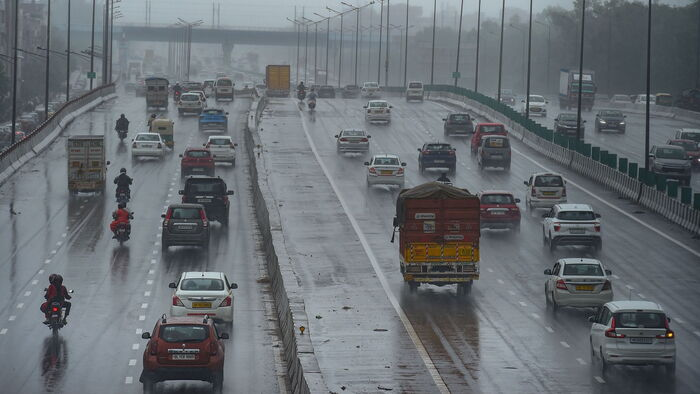
In addition, areas in the highlands east of the Rift Valley, including Nairobi, Kiambu, Nyeri, Murang’a, Kirinyaga, Embu, and Meru, have been listed among regions likely to experience heavy rains.
“We are expecting heavy rainfall in these regions, which may result in potential flooding,” Muriuki cautioned.
Authorities have urged residents in affected areas to remain vigilant, particularly those living in low-lying or flood-prone zones, as well as near rivers and drainage systems. Disaster response agencies are also expected to be on high alert as the country moves into the peak of the rainy season.

The latest advisory underscores the increasing influence of global weather systems on local climate patterns, highlighting the need for timely forecasts and preparedness to mitigate the risks associated with extreme weather events.
ALSO READ: Ruto Orders NTSA to Roll Out Smart Cameras Instant Fine System in All Cities in One Month
Kenya Met Boss Attributes Unusual February Rains to Madden-Julian Oscillation Phenomenon
