


Opposition and IEBC Agree on Framework to Build Trust After High-Level Talks
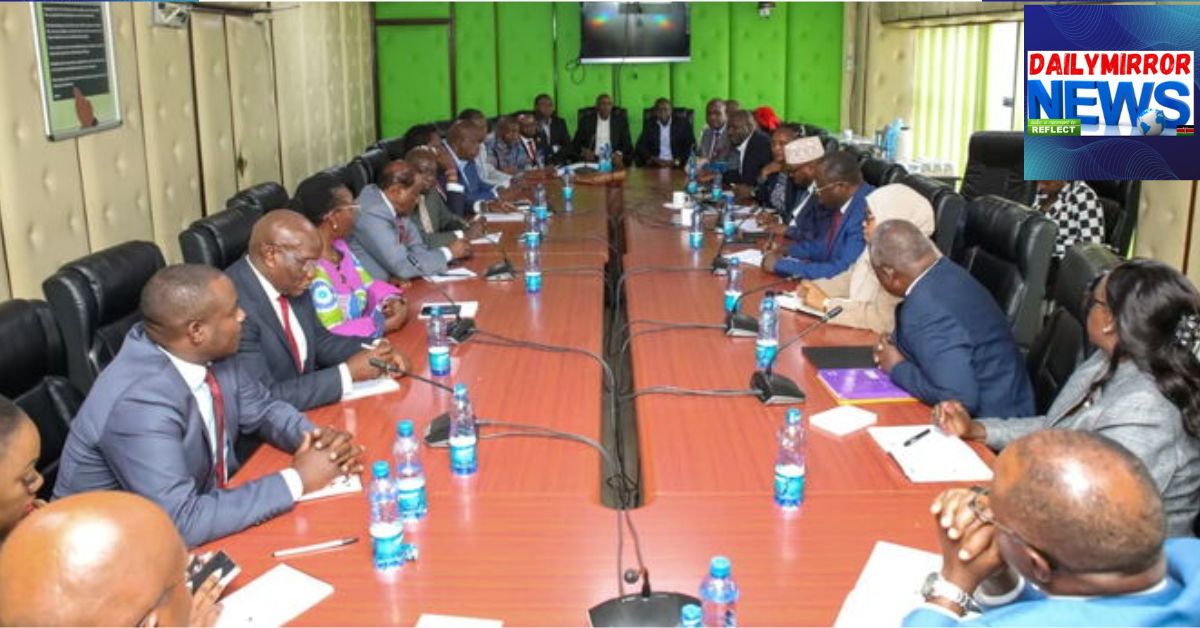
Leaders from Kenya’s opposition coalition have revealed details of their high-level engagement with the Independent Electoral and Boundaries Commission (IEBC) following a visit to the commission’s headquarters at Anniversary Towers on Wednesday, January 28. The talks, described by both sides as candid and constructive, come amid growing political focus on the credibility of electoral processes ahead of the 2027 General Election.
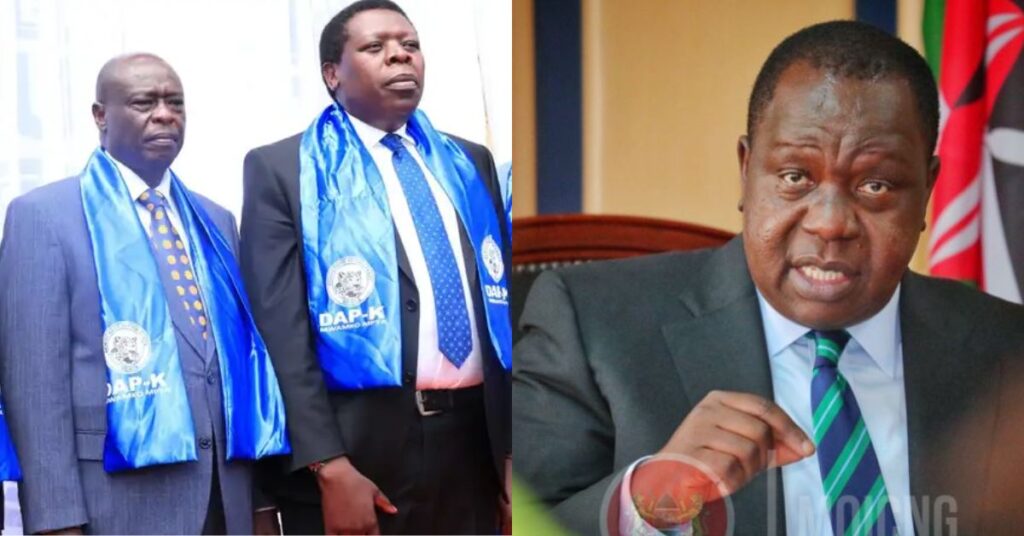
The opposition delegation was led by Democracy for Citizens Party (DCP) leader Rigathi Gachagua and included Wiper Patriotic Front leader Kalonzo Musyoka, People’s Liberation Party (PLP) leader Martha Karua, Democratic Action Party–Kenya (DAP-K) leader Eugene Wamalwa, and Jubilee Party deputy leader Fred Matiang’i. Addressing journalists after the meeting, the leaders said the visit was intended to formally engage the newly constituted IEBC and raise concerns they believe require urgent attention.
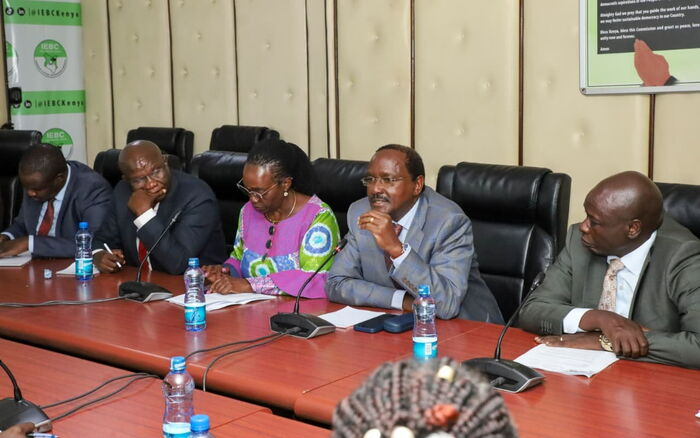
According to the opposition, the meeting was framed as a courtesy call but quickly evolved into a substantive discussion on electoral integrity, transparency, and public confidence in the commission. The leaders noted that the IEBC, reconstituted after a prolonged political process, is yet to earn the full trust of Kenyans, particularly following recent by-elections.
Kalonzo Musyoka said the delegation did not shy away from expressing dissatisfaction with recent electoral outcomes and perceptions surrounding the commission’s independence. “We were very candid. We are not happy with the process and outcome of the by-elections. We told them the perception out there that this is a William Ruto commission,” Kalonzo stated.
He further raised concerns over electoral technology procurement, an issue that has previously generated controversy in Kenya’s elections. “We were unhappy with the procurement process of the KIEMS kit and the discredited Smartmatic organisation, which has been discredited worldwide. They have to give us demonstrable outcomes,” he added, noting that the opposition demanded greater transparency and accountability.
Despite the strong criticism, the opposition said the engagement yielded a significant outcome: an agreement to establish a structured framework for continued dialogue between the IEBC and political stakeholders. The framework, they explained, will allow grievances and technical concerns to be addressed early, rather than escalating close to election periods.
Former Interior Cabinet Secretary Fred Matiang’i described the talks as a turning point in opposition–IEBC relations. “We had a cordial conversation. For the first time, we agreed and institutionalised our interaction with them. We will have another meeting to go through the issues we raised,” Matiang’i said.
Matiang’i emphasised that the opposition’s position is not confrontational but conditional on good faith from the electoral body. “As long as the IEBC continues to demonstrate good faith and openness, we have no issue engaging with them,” he said, adding that sustained dialogue was essential for restoring public confidence in elections.
While the IEBC has yet to issue a detailed public statement on the meeting, the opposition leaders said the commission committed to involving technical teams from both sides to interrogate contentious issues, including technology procurement, by-election management, and communication with political parties.
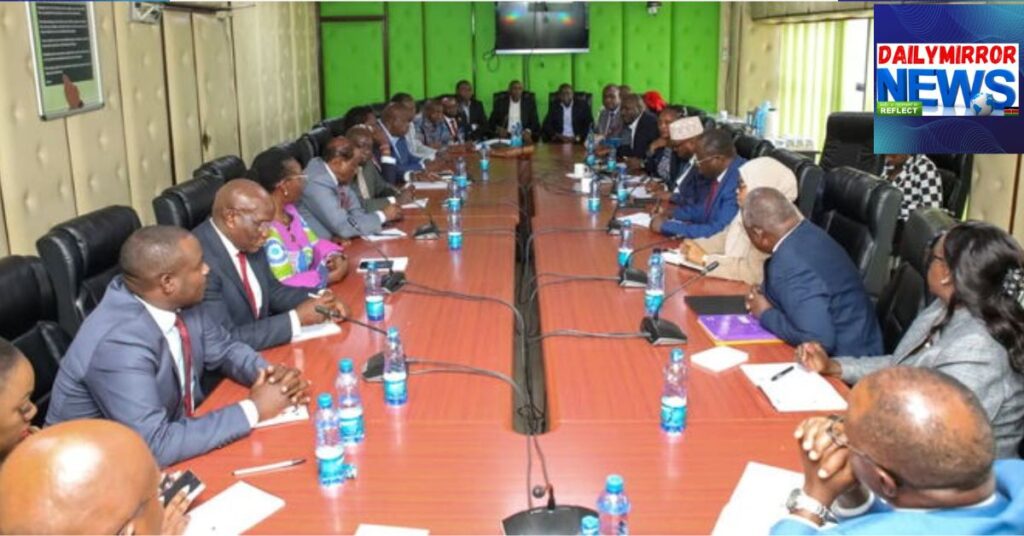
Political analysts note that the talks signal a cautious thaw in relations between the opposition and the electoral body, at a time when early trust-building measures are seen as critical to avoiding disputes closer to the 2027 polls. Whether the agreed framework will translate into tangible reforms remains to be seen, but both sides appear to have acknowledged the need for sustained engagement.
ALSO READ: Adani Whistleblower Strikes Again; Exposes Major Rot in KeRRA
Opposition and IEBC Agree on Framework to Build Trust After High-Level Talks
