



Thousands of Kenyans employed directly and indirectly by United Nations agencies in Nairobi are facing growing uncertainty following the United States’ decision to withdraw from several UN bodies, a move that could significantly affect funding, jobs, and Kenya’s standing as a global diplomatic hub.
Washington announced the decision as part of a broader reassessment of its multilateral commitments, triggering concern among governments, diplomats, and economic analysts about the future of UN operations worldwide. For Kenya, the implications are particularly sensitive, given Nairobi’s status as one of the UN’s most strategic centres.
Nairobi hosts the United Nations Office at Nairobi (UNON) in Gigiri, the only UN headquarters in the Global South. The city is also home to the United Nations Environment Programme (UNEP) and UN-Habitat, agencies that coordinate major global programmes on climate change, urban development, humanitarian response, and sustainable growth.
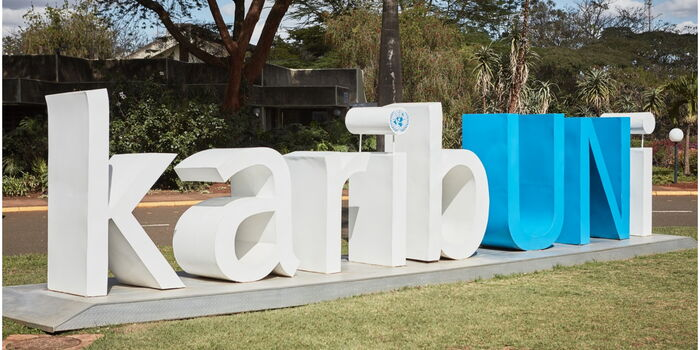
Collectively, these institutions employ thousands of Kenyans and expatriates, while supporting tens of thousands more through procurement contracts and service industries. Hotels, airlines, security firms, transport providers, interpreters, conference organisers, and small businesses all depend heavily on the UN’s presence in the capital.
The United States has historically been one of the largest financial contributors to UN agencies operating in Nairobi. Officials familiar with the situation warn that a reduced US role could create funding gaps, force programme cuts, or lead to the relocation of some operations to other regions.
A senior official with knowledge of UN budgeting processes noted that “any significant reduction in donor funding inevitably affects staffing levels, project timelines, and the scale of operations on the ground.”
Such changes could have immediate economic consequences. Analysts say a downsizing of UN activities would reduce demand for accommodation, transport, and conference services, sending ripple effects across Nairobi’s already strained economy.

Beyond jobs, there are also diplomatic concerns. Kenya has spent decades positioning itself as a neutral and reliable host for international dialogue, particularly on environmental and urban issues. A diminished UN footprint could weaken Nairobi’s influence in global policy conversations.
A former Kenyan diplomat cautioned that “Nairobi’s role as a convening centre for global decision-making is tied directly to the strength and visibility of UN agencies based here.”
The developments come at a time when global cooperation is under pressure due to conflicts, climate emergencies, and economic uncertainty. Some analysts argue that reducing engagement with multilateral institutions could undermine collective responses to these challenges, especially in Africa.
Within UN circles, there is growing concern that uncertainty over funding could delay or scale back programmes targeting vulnerable communities. Initiatives on climate resilience, refugee protection, and sustainable cities rely heavily on predictable donor contributions.
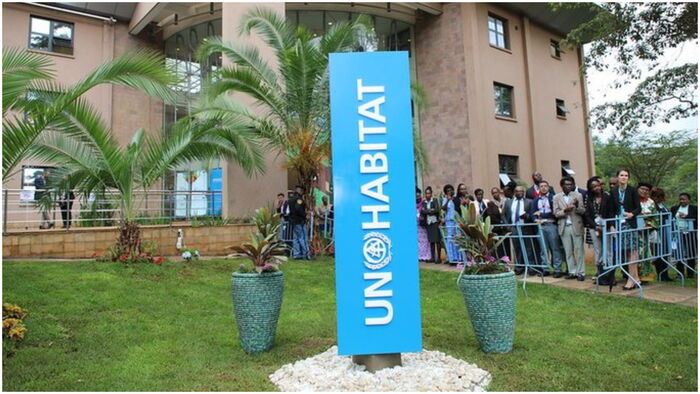
Kenyan government officials have so far struck a measured tone, emphasising that Nairobi remains a strategic UN location with strong backing from other member states. They have reiterated Kenya’s commitment to providing a stable, secure, and supportive environment for international organisations.
“Kenya remains fully committed to hosting the United Nations and ensuring that Nairobi continues to serve as a key global hub,” a government official said, adding that discussions with UN leadership and development partners are ongoing.
Some experts believe the impact of the US decision could be softened if other countries step in to fill funding gaps. However, they caution that replacing American financial support and political influence would be difficult in the short term.
The situation has also revived debate about Kenya’s economic structure, with analysts urging the country to diversify and reduce reliance on international institutions as a major source of foreign income and employment.

As discussions continue within UN and diplomatic circles, attention will remain focused on how the organisation restructures its operations and whether Washington’s move represents a temporary pause or a long-term shift in global engagement—one that could redefine Nairobi’s role on the world stage.
ALSO READ: KWS Busts Major Wildlife Trafficking Ring in Turkana, Recovers Elephant Ivory and Rare Animal Skins
Thousands of Kenyans Face Uncertainty as UN Agencies Downsize
