


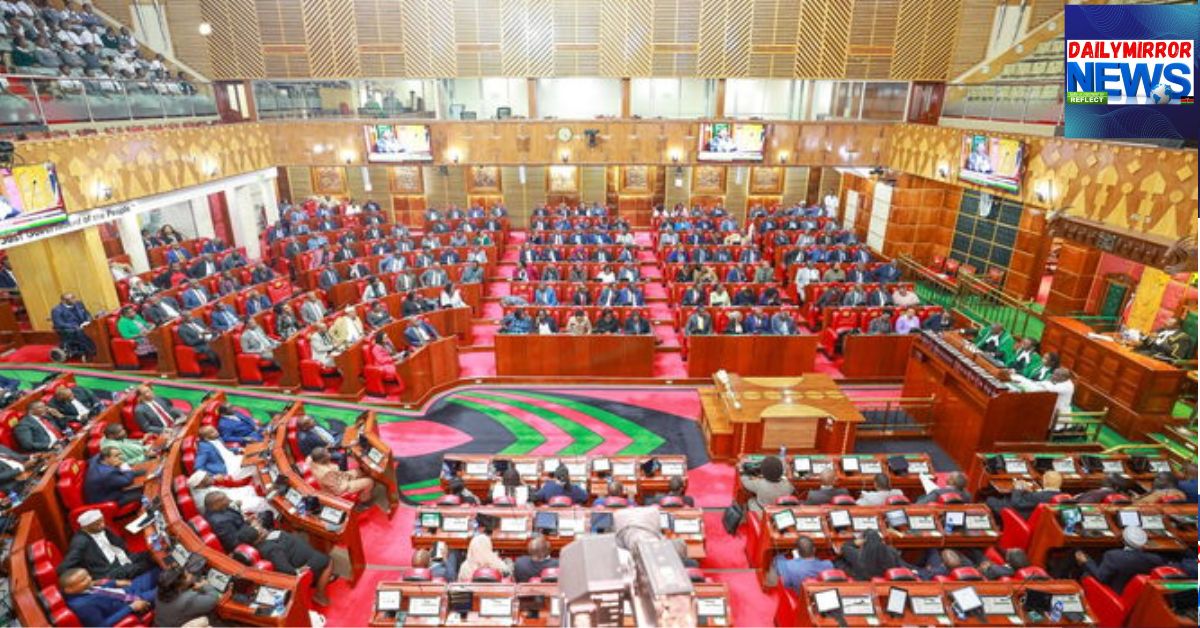
MPs Pass Finance Bill 2026 After Third Reading Vote, Clearing Final Parliamentary Hurdle
The passage of the Finance Bill marks a significant milestone in the government’s fiscal agenda as it seeks to strengthen revenue collection, support budgetary priorities, and finance development programmes outlined in the 2026/27 financial year.
During a lengthy and closely watched parliamentary session on Thursday, Members of Parliament approved the Bill through an electronic division vote conducted under Standing Order No. 70 after demands from lawmakers for a recorded vote.
According to the final tally, 122 MPs voted in favour of the Finance Bill while 40 voted against it, with no abstentions recorded. The outcome followed hours of debate, amendments, and deliberations over several contentious provisions that had attracted public attention in recent weeks.
Initially, the Bill appeared set to sail through by acclamation. However, opposition lawmakers objected to the process and pushed for a formal electronic vote to ensure every legislator’s position was publicly recorded.
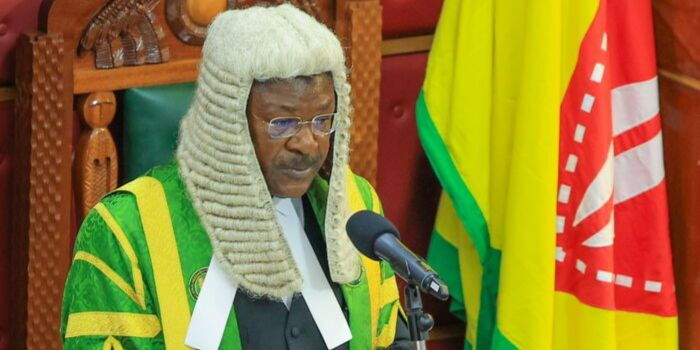
“The Speaker will decide whether you will have electronic voting. Where we will have difficulty, we will have assisted voters,” Wetang’ula stated in accordance with parliamentary procedures.
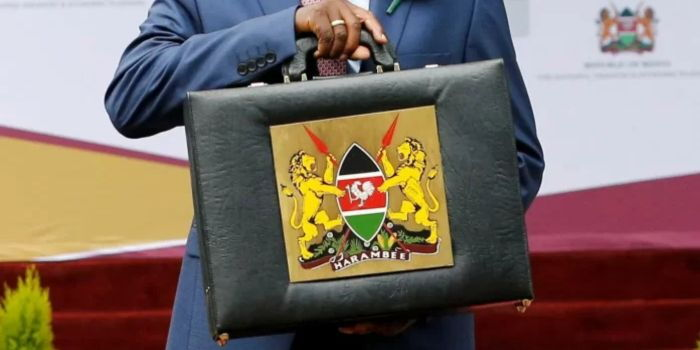
The Finance Bill 2026 introduces amendments to several key tax statutes, including the Income Tax Act, the Value Added Tax Act (VAT), the Excise Duty Act, the Tax Procedures Act, the Miscellaneous Fees and Levies Act, and the Stamp Duty Act.
Government officials have defended the proposed changes, arguing that they are necessary to improve tax administration, widen the tax base, and increase government revenue without introducing major new tax burdens on citizens.
The Bill underwent substantial revisions during the parliamentary process after public concerns emerged over some of its proposed provisions. Several controversial measures were either withdrawn or modified following submissions from stakeholders, businesses, civil society groups, and members of the public.
Lawmakers also approved amendments aimed at preserving tax reliefs on selected essential goods and services, a move that government supporters said was intended to cushion consumers from rising living costs.
Earlier in the day, Democracy for Citizens Party (DCP) leader Rigathi Gachagua publicly urged legislators allied to his political camp to reject the Bill and demand a division vote.
“Today’s vote at the National Assembly for or against the 2026 Finance Bill is a defining moment for the people of the Republic of Kenya,” Gachagua said.
“The people of Kenya must know who is for or against them,” he added.
Supporters of the legislation argued that enhanced revenue collection remains necessary to finance infrastructure projects, healthcare services, education programmes, and other national priorities outlined in the government’s spending plans.
The passage of the Finance Bill comes at a time when Kenya is seeking to balance increasing expenditure demands with efforts to reduce reliance on borrowing and improve domestic revenue mobilisation.
ALSO READ: Gachagua Warns DCP MPs, Allies Against Supporting Finance Bill 2026
MPs Pass Finance Bill 2026 After Third Reading Vote, Clearing Final Parliamentary Hurdle
