


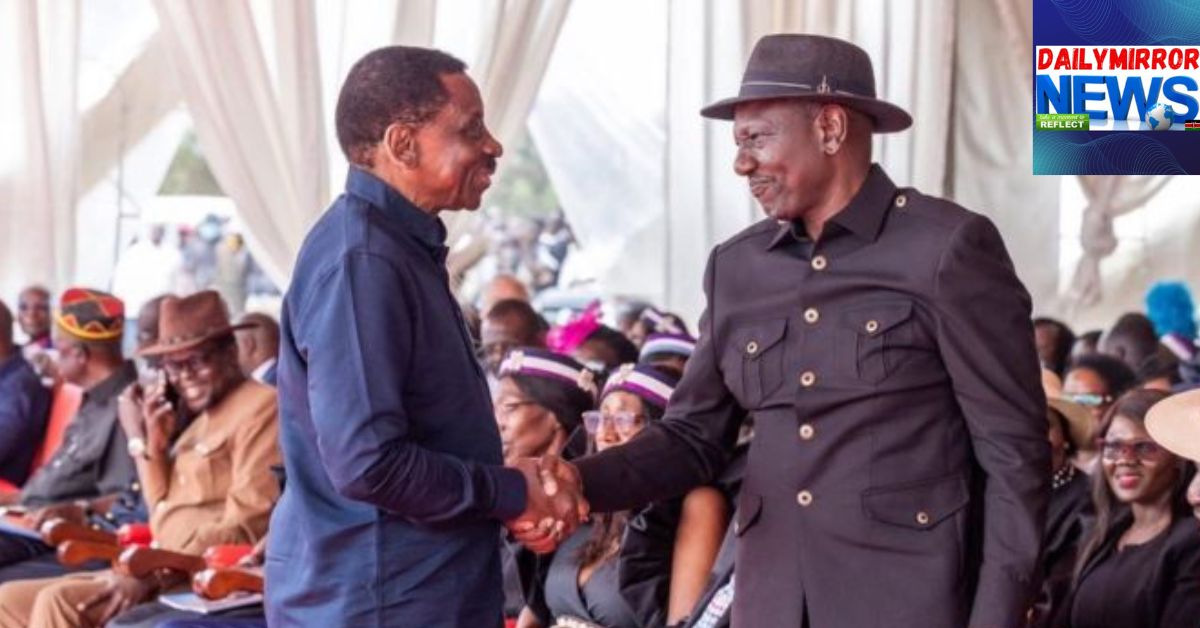
Governor Orengo Criticises Government’s Ksh2 Billion Protest Victims Compensation Plan, Calls for Accountability First
In a strongly worded statement released on Tuesday, June 16, the veteran lawyer and Orange Democratic Movement (ODM) leader questioned both the timing and structure of the proposed reparations framework, suggesting that the government may be rushing the process amid growing public scrutiny ahead of the planned Gen Z Memorial commemorations scheduled for June 25.
However, Orengo warned that compensation alone cannot substitute for justice.
“The rush to operationalise the framework is a rushed attempt to manage public outrage over deaths and injuries associated with demonstrations in few days following the Gen Z Memorial on 25th June 2026,” Orengo stated.
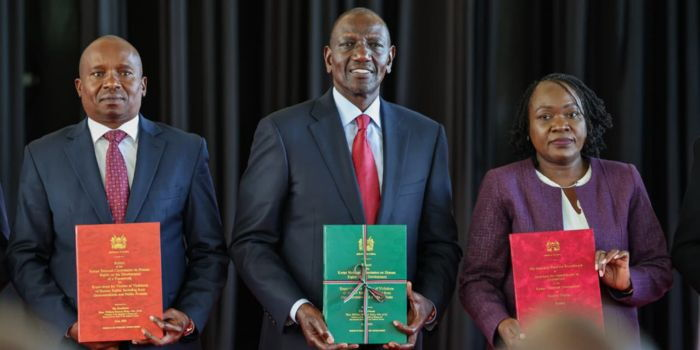
His remarks come as the government moves to implement recommendations from the Panel of Experts on Compensation of Victims of Human Rights Violations, which was recently granted an additional 90 days to complete its work.
The governor expressed concern that the proposed framework could unintentionally create the perception that human rights abuses can simply be resolved through monetary compensation.
According to Orengo, reports indicating that families of individuals killed during demonstrations could receive a minimum payout of Ksh2.5 million raise difficult ethical and legal questions about how justice is being pursued.
“If deaths and injuries resulting from demonstrations can be settled through predetermined compensation, the urgency to prevent such violations diminishes. As long as there is no accountability by arrest and prosecution of the offenders, the reparations programmes only exist to legitimise the use of excessive force by attaching a financial cost to human life,” he argued.
He warned against what he described as a dangerous shift toward treating compensation as a replacement for criminal accountability.
“The concern among many Kenyans is that the proposal translates into a disturbing formula: Shoot. Kill. Compensate. Move on,” Orengo stated.
“That is not justice. It is merely accounting. Compensation is one aspect of justice, not justice itself. Before any award is made, there must be proper investigations, identification of perpetrators, prosecution where criminal conduct is established and institutional reforms to prevent recurrence,” he added.
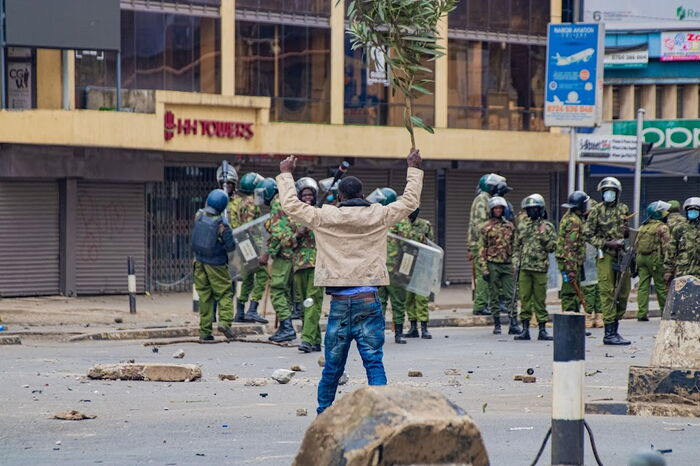
The debate comes amid increasing calls from civil society groups, victims’ families, and human rights organisations for accountability following a series of demonstrations that resulted in deaths, injuries, and allegations of police misconduct.
Recent data released by the Kenya National Commission on Human Rights (KNCHR) indicates that the commission has documented 1,815 compensation claims related to protest-related violations.
The commission has verified numerous cases involving alleged violations of the right to life, freedom from torture, sexual violence, enforced disappearances, and unlawful detention.
Meanwhile, government officials have maintained that the compensation programme is intended to provide long-overdue relief to victims and their families while complementing ongoing efforts to strengthen accountability mechanisms.
As debate over the proposed reparations framework intensifies, stakeholders continue to weigh the balance between financial compensation, criminal accountability, and broader institutional reforms. With the Gen Z Memorial approaching, pressure is mounting on authorities to demonstrate that justice for victims extends beyond compensation and includes meaningful action against those responsible for violations
The discussion is expected to remain at the centre of Kenya’s national conversation on human rights, policing reforms, and constitutional freedoms in the weeks ahead.
ALSO READ: Autopsy Reveals Strangulation, Stab Wounds and Severe Head Injuries in Mwingi Mass Grave Victims
Governor Orengo Criticises Government’s Ksh2 Billion Protest Victims Compensation Plan, Calls for Accountability First
