


DCI Debunks Viral Poisoning Claims About Raila Odinga, Warns Against Spread of Fake News
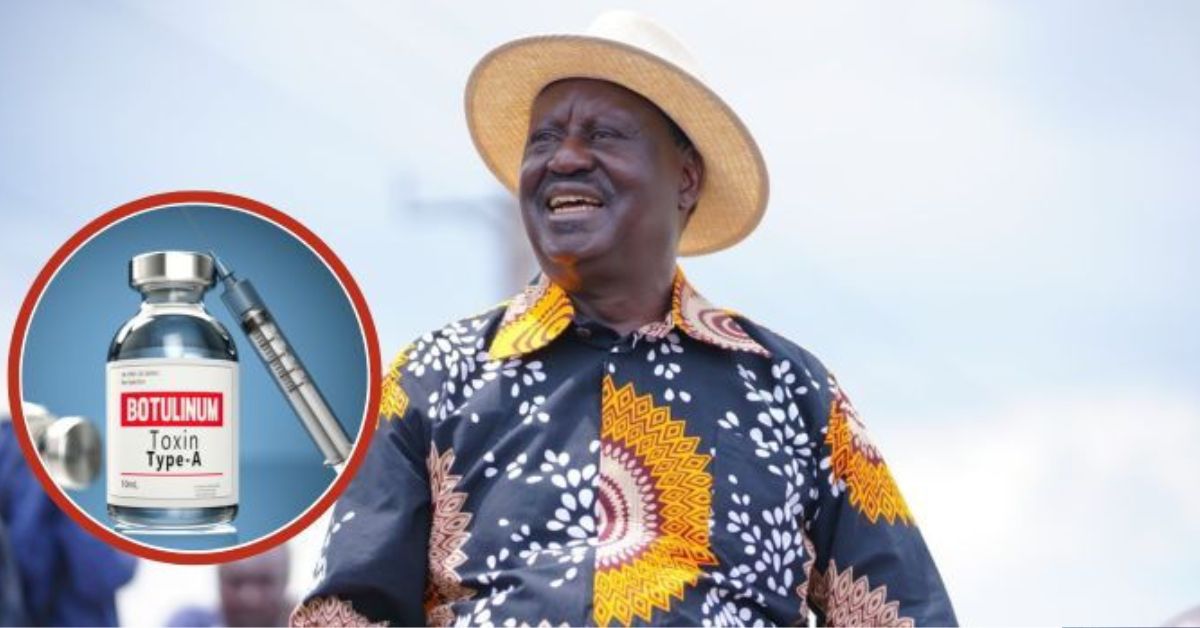
In a statement issued on Friday, June 12, detectives flagged a widely circulated social media post that claimed an Indian doctor had confessed to receiving Ksh300 million to poison the veteran politician using botulinum toxin, a highly potent neurotoxin. The DCI categorically rejected the allegations, emphasizing that the claims were entirely fabricated and lacked any factual basis.
The viral post, which gained traction across several social media platforms, alleged that the doctor involved in Raila’s treatment in India admitted to administering botulinum toxin, a substance known to interfere with nerve function and potentially cause paralysis when improperly used. The post further claimed that the doctor had confessed to participating in a coordinated plot to eliminate the former Prime Minister.
However, investigators have dismissed the allegations as a hoax.
According to the DCI, there is no evidence to support the claims, and the information being circulated online does not originate from any official investigation or verified source.
The latest fact-check by the investigative agency comes amid increasing concerns over the rise of disinformation campaigns targeting public figures, government institutions, and political leaders. Authorities have repeatedly warned that fake news can fuel confusion, inflame public emotions, and undermine confidence in legitimate institutions.
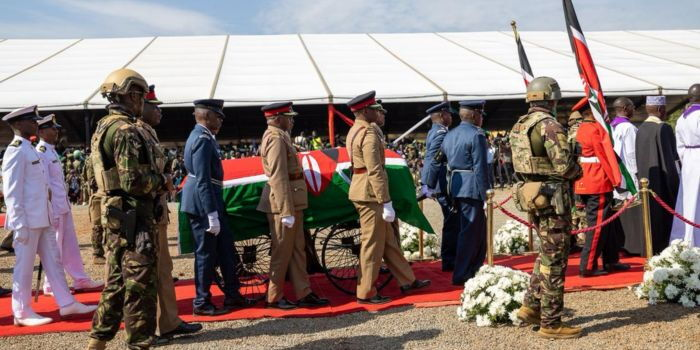
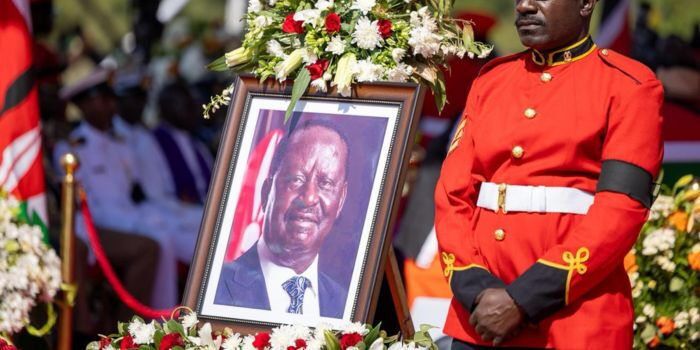
The claims resurfaced nearly eight months after the death of Raila Odinga, whose passing in October 2025 sent shockwaves across Kenya and beyond.
Despite efforts by medical personnel to revive him, he was pronounced dead shortly after arriving at the facility.
Before travelling to India, Raila had reportedly suffered a stroke and was undergoing treatment for chronic illnesses, including diabetes and hypertension. His family and close associates had publicly acknowledged that he had been managing several health challenges in the months leading up to his death.
At the time, President William Ruto confirmed that the government had facilitated Raila’s travel to India after consultations with his family, underscoring the national significance of ensuring he received specialized medical care.
The DCI has now moved to quell the latest wave of speculation, reminding the public that sharing false information can have serious consequences.
“The information being circulated is fake and misleading. Members of the public are advised not to believe or share such claims,” the agency stated.
The investigative body further encouraged Kenyans to verify information through official government channels and reputable media organizations before sharing it online.
As misinformation continues to spread rapidly in the digital age, authorities say public vigilance remains critical in protecting the integrity of information and preventing the circulation of harmful falsehoods.
ALSO READ: Utumishi Girls Founder Calls for End of Boarding Schools After Deadly Fire Tragedy
DCI Debunks Viral Poisoning Claims About Raila Odinga, Warns Against Spread of Fake News
