



Treasury Reassures Kenyans on PAYE Tax Relief Plan Despite Omission From Finance Bill 2026
The clarification comes amid widespread debate following the presentation of the 2026/27 national budget, where many taxpayers expected the highly anticipated tax relief proposal to be included among the fiscal measures announced by the Treasury.
“Even if it is not in the Finance Bill, it is not off the table. I have explained that there were some data analyses we were doing, and the President has pronounced himself that that is going to be implemented,” Mbadi stated.
The Cabinet Secretary further dismissed speculation that the proposal had been quietly abandoned, insisting that the government would honour its promise once the necessary technical and fiscal assessments are completed.

“We have committed. This government is not going to lie. Wait for that commitment. It is we who committed, and it is going to be implemented,” he added.
Relief Proposal Targets Low-Income Earners
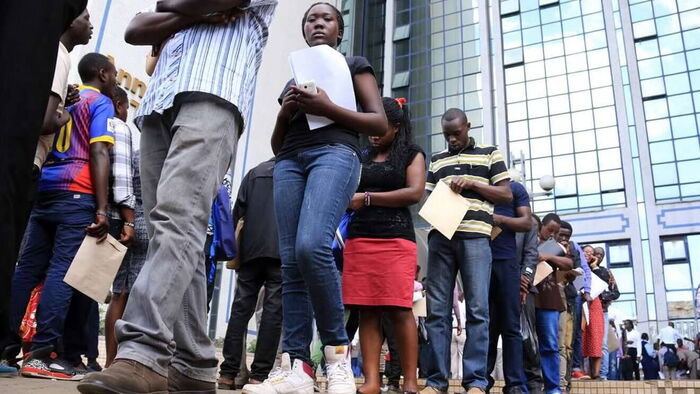
The proposed PAYE tax relief is expected to benefit thousands of salaried Kenyans earning below Ksh30,000 per month.
The proposal was first publicly championed by President William Ruto during the National Prayer Breakfast held in Nairobi in May.
During the event, the President directed Treasury officials to develop mechanisms that would shield lower-income earners from excessive taxation amid rising living costs.
“I told the Treasury that it is time to look at how we can slow down, especially for the low-income earners, and remove some taxes from them,” President Ruto said at the time.
The announcement was widely welcomed by workers’ unions, economists, and civil society groups, many of whom argued that increasing disposable income among low-income households could stimulate domestic consumption and support economic growth.
Why the Proposal Was Missing From the Finance Bill
However, Treasury officials have maintained that further analysis is required to determine the financial implications of implementing the proposal.
According to Mbadi, ongoing studies are examining the potential impact on government revenues, public expenditure commitments, and overall fiscal sustainability before a final decision is made.
How the Tax Relief Could Become Law
For the PAYE relief proposal to take effect, the government must first complete its policy formulation and fiscal impact assessment process.
Members of Parliament would then debate the proposal, make amendments where necessary, and vote on its adoption.

Budget Focus Remains on Economic Recovery
The reassurance comes as the government seeks to balance taxpayer relief with ambitious development goals outlined in the 2026/27 budget.
While the government has defended the budget as a roadmap for economic growth, pressure remains high to deliver on promises aimed at reducing the cost of living for ordinary Kenyans.
ALSO READ: Gulf Energy Announces 39 Job Vacancies Ahead of Kenya’s First Commercial Oil Production in Turkana
Treasury Reassures Kenyans on PAYE Tax Relief Plan Despite Omission From Finance Bill 2026
