



EPRA Rules Out Immediate Fuel Relief as Talks With Matatus Continue
Speaking during an interview on Citizen TV on Wednesday night, EPRA Director of Petroleum and Gas Edward Kinyua defended the regulator’s recent decision to lower diesel prices by Ksh10.06 per litre, insisting that the adjustment was significant given the sharp rise in global oil prices.
“We lowered two days ago,” Kinyua stated during the televised interview, referring to the emergency mid-cycle review announced earlier this week following nationwide protests by matatu operators and other players in the transport sector.
Under the revised pricing structure, diesel in Nairobi is now retailing at Ksh232.86 per litre, while super petrol remains unchanged at Ksh214.25 per litre. At the same time, kerosene prices rose sharply by Ksh38.60, climbing from Ksh152.78 to Ksh191.38 per litre.
The latest fuel adjustments came after sustained pressure from public transport operators, including the Matatu Owners Association, who had paralysed transport services across several towns in protest against the soaring cost of diesel.
During the interview, veteran journalist Jeff Koinange pressed Kinyua on whether the Ksh10 reduction was enough to address public concerns.
In response, the EPRA official defended the move by pointing to the sharp escalation in international fuel prices following geopolitical tensions in the Middle East.
“Ksh10 is a lot. If you look at the cost of products at the international market before this crisis broke, a tonne of petrol was going for $686 a tonne, but because of the crisis, it has climbed to $1060. That is like 54 per cent,” Kinyua explained.
According to the regulator, Kenya presently holds enough diesel stocks to last approximately 23 days, while super petrol reserves can sustain the country for around 28 days.
“Yes, we have enough stock. For diesel, for example, we have 23 days of stock. For super petrol, we have 28 days’ worth of stocks. That’s about 225 million litres,” Kinyua stated.
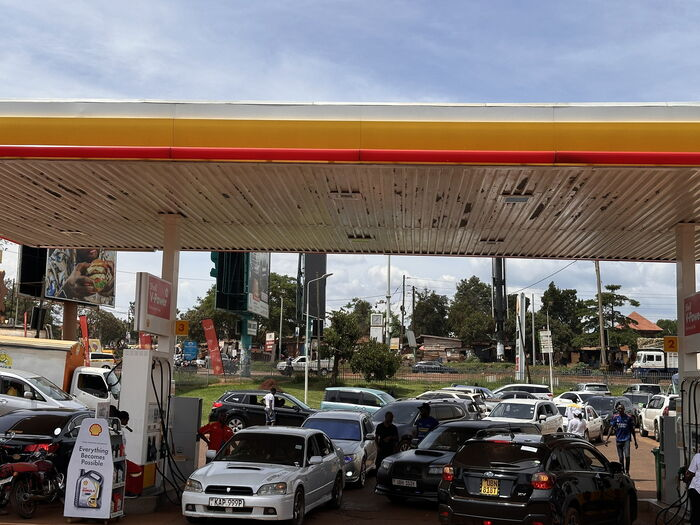
The comments come barely weeks after motorists in Nairobi, Nakuru, Kisumu, and other towns reported long queues and fuel shortages at filling stations, sparking fears of supply disruptions.
According to him, EPRA, together with oil marketing companies and other sector stakeholders, has now revised its fuel planning timelines from 45 days to three months to guarantee adequate supply coverage.
“Because of the crisis, we decided to increase that planning period to three months,” he explained.
The EPRA official further revealed that several fuel tankers are currently waiting to offload petroleum cargo at the Port of Mombasa due to limited storage capacity within the system.

“In fact, as of today, we have had to hold back a ship from discharging because the system is full,” Kinyua disclosed.
Government officials have expressed optimism that a lasting agreement could be reached soon, even as pressure continues to mount on authorities to find a sustainable solution to Kenya’s rising fuel costs and growing public frustration over the high cost of living.

ALSO READ: Dangote Adds Lamu to List of Potential Sites for East Africa Oil Refinery
EPRA Rules Out Immediate Fuel Relief as Talks With Matatus Continue
