



National Assembly Passes National Infrastructure Fund Bill, 2026
Lawmakers approved the bill, formally known as the National Infrastructure Fund Bill (National Assembly Bill No. 1 of 2026), during a sitting on Thursday, March 5, after it underwent its third reading in Parliament. The legislation was introduced by Majority Leader Kimani Ichung’wah and received broad support from members through a voice vote conducted by the Speaker.
With the parliamentary process concluded, the bill will now be forwarded to William Ruto for presidential assent, the final constitutional step before it becomes law.
The proposed National Infrastructure Fund (NIF) is expected to mobilise approximately Ksh5 trillion over the next decade. The initiative is designed to transform Kenya’s infrastructure financing model by shifting from heavy reliance on public debt toward an investment-driven framework that attracts private capital.
According to lawmakers supporting the bill, the Fund will play a critical role in financing key national infrastructure projects, including roads, energy facilities, and large-scale public utilities.
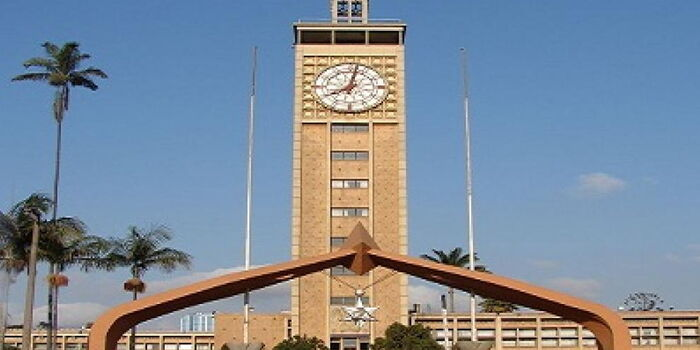
Parliament of Kenya
Parliamentary records show that the legislation went through several stages before its approval. The bill was first introduced in the House during the First Reading, after which it was referred to the relevant committees for detailed scrutiny.
During the Committee Stage, the proposal underwent extensive review involving stakeholder consultations, public participation forums, and expert submissions from institutions such as the Institute of Public Finance and the Institute of Certified Public Accountants of Kenya.
Supporters of the bill argue that the Fund will reduce the government’s reliance on external borrowing by mobilising alternative funding sources. These include pension funds, collective investment schemes, sovereign wealth funds, and climate finance facilities.
Legally, the Fund will be structured as a corporate entity with the authority to own property, enter contracts, and invest directly in infrastructure projects across the country. However, the legislation prohibits the Fund from borrowing money or taking credit against its balance sheet.
Governance of the Fund will be entrusted to a seven-member Board of Directors. The board will be chaired by an independent director and will include the Cabinet Secretary for the National Treasury and Economic Planning as a member.
P
The board will also comprise four independent directors and two experts drawn from development banking institutions. The law includes strict eligibility rules aimed at safeguarding the board’s independence, including restrictions preventing individuals with recent government employment or political affiliations from serving on the board.
Speaking earlier about the Fund, President Ruto expressed confidence that the initiative would unlock large-scale investment into Kenya’s development agenda.
During a Methodist Church leadership event held at State House in Nairobi on February 20, the President revealed that the government expects to mobilise half of the Fund’s target—approximately Ksh2.5 trillion—by April this year.
Among the critics is Kalonzo Musyoka, who recently called for further scrutiny of the project and questioned statements made by Treasury officials regarding its structure.
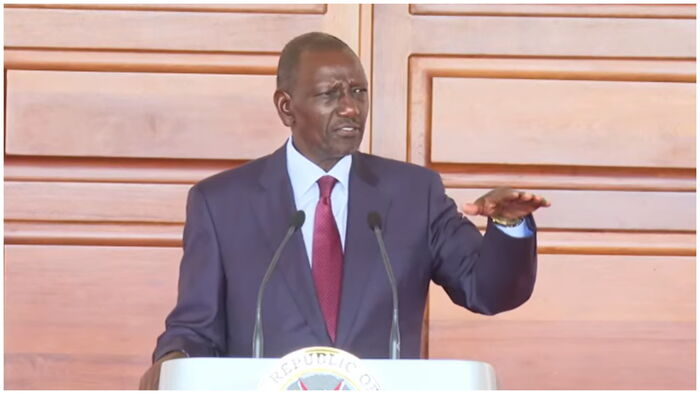
However, President Ruto has strongly defended the initiative against its critics, arguing that the country must adopt innovative financial models to accelerate development.
“Those opposing the fund lack vision and fail to believe in Kenya’s potential,” the President said previously while defending the proposal.
He further described the Fund as a key pillar in his administration’s long-term economic strategy.
“This fund will help propel Kenya from a developing nation toward the dream of becoming a first-world economy,” Ruto added, referencing what he called the country’s ambition to replicate the development trajectory seen in nations such as Singapore.
As the bill now awaits presidential assent, attention is expected to shift toward how the Fund will be implemented and whether it will succeed in mobilising the massive investment required to transform Kenya’s infrastructure landscape over the coming decade.
ALSO READ: Ministry of Health Warns of Rising Influenza Cases Across the Country
National Assembly Passes National Infrastructure Fund Bill, 2026
