


Cabinet Approves Payroll Overhaul After Audit Reveals Millions in Errors
The Cabinet has approved far-reaching reforms to the government payroll system following a special audit that uncovered widespread errors, governance failures, and significant risks to public funds within the 2024/2025 financial year.
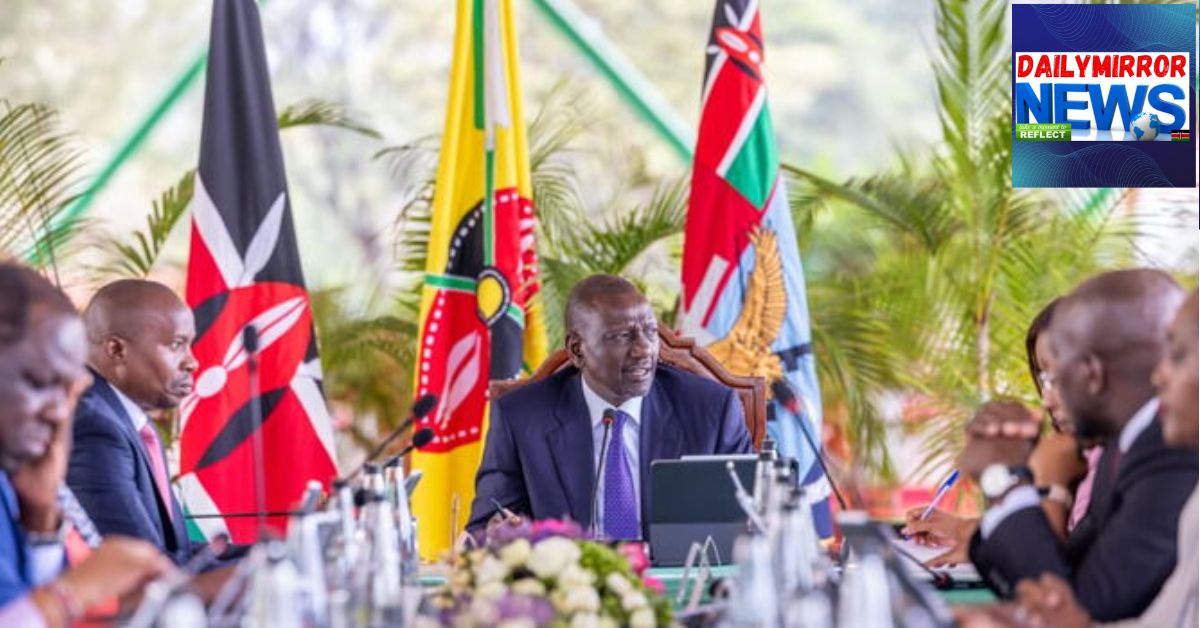
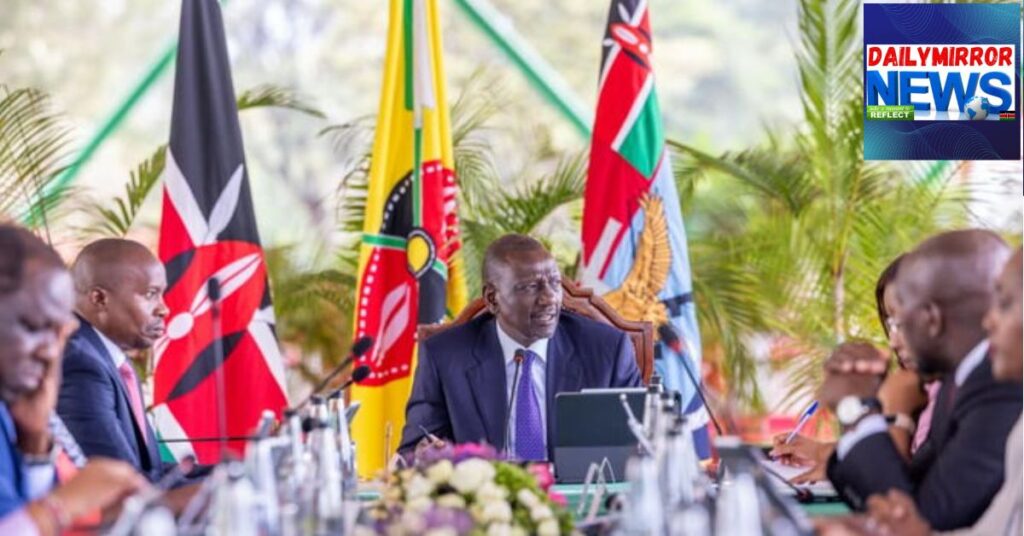
The decision was reached during a Cabinet meeting held at State House, Nairobi, on Tuesday, after the audit exposed systemic weaknesses in the Government Human Resource Information System–Kenya (HRIS-K), a centralised digital platform designed to manage human resources, payroll, and data integrity across ministries, counties, and state corporations.
According to a Cabinet dispatch, the audit revealed extensive payroll anomalies, including incorrect identity records, tax compliance gaps, and mismatched bank account details. These challenges were cited as a major reason nearly 300 state corporations have failed to fully migrate to the HRIS-K platform.
“The audit exposed serious governance, operational, and technological failures that undermine payroll integrity and accountability across public institutions,” the Cabinet noted in its resolution.
In response, the Cabinet directed that HRIS-K must undergo mandatory security certification by March 11 this year. The system will also be enhanced with forensic analytics tools to support disciplinary and legal action where wrongdoing is identified. Additionally, a statutory deductions platform will be fully integrated into the system to ensure compliance across all public entities.
The Cabinet further resolved that statutory deductions—including taxes and other mandatory levies—will now be strictly applied at source. This means deductions will be automatically enforced across all ministries, agencies, and parastatals without exception.
“This approach will ensure uniform application of statutory deductions and close long-standing loopholes that have resulted in revenue losses,” the dispatch stated.
One of the most alarming findings of the audit was the role of system administrators. The report showed that 720 HRIS-K system editors altered more than 4.7 million payroll records without leaving audit trails. In some cases, employees were found to have edited their own payroll information, raising serious concerns about internal controls and ethical conduct.
The audit also flagged weak cybersecurity safeguards, expired ICT licenses, and inadequate disaster recovery mechanisms, leaving sensitive payroll data exposed and public funds at risk.
“The absence of basic cybersecurity controls and effective oversight mechanisms presents a significant threat to data security and financial integrity,” the audit report warned.
Further, unauthorised payments and excessive salary arrears were identified, reinforcing the need for what the Cabinet described as a comprehensive governance reset of the payroll system.
To enforce accountability, Principal Secretaries, accounting officers, and heads of state corporations have been tasked with overseeing the implementation of the reforms. They will be required to submit verified payroll data, cooperate fully with audits, and assume personal responsibility for any irregularities identified under their watch.
As part of the overhaul, the government will establish Payroll Audit Units (PAUs) and undertake urgent ICT upgrades to strengthen controls, safeguard public resources, and enhance transparency in payroll management.
These measures align with a draft policy considered by the government in 2024 under the Public Service Transformation Strategy (2024–2029). The strategy proposed assigning all civil servants Unified Payroll Numbers (UPNs) linked to the Integrated Persons Registration System (IPRS) and the Kenya Revenue Authority (KRA) databases to eliminate manual payroll processes and improve accountability.

“The reforms mark a decisive step toward restoring confidence in public payroll management and protecting taxpayers’ money,” the Cabinet said.
ALSO READ: British Council Opens Scholarship for Aspiring Teachers With a Ksh3.9 Million Salary
Cabinet Approves Payroll Overhaul After Audit Reveals Millions in Errors
