


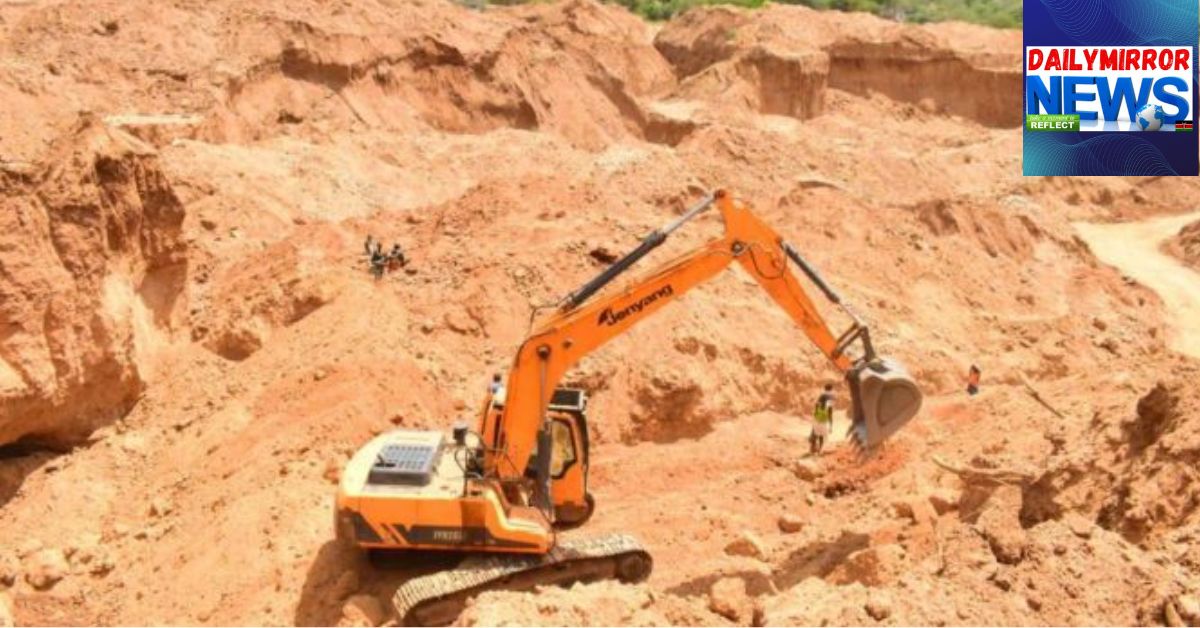
Kakamega County Government Orders Closure of Shiveye Gold Mine After Collapse
Kakamega, Kenya – The Kakamega County Government has ordered the immediate closure of the Shiveye gold mine following a deadly collapse that claimed three lives, sparking fresh concerns over safety in the region’s artisanal mining sector.
Deputy Governor Ayub Savula, who inspected the site on Sunday, announced that the Ministry of Mining, in collaboration with the county government, will deploy experts to conduct a comprehensive safety audit before determining whether operations can resume.
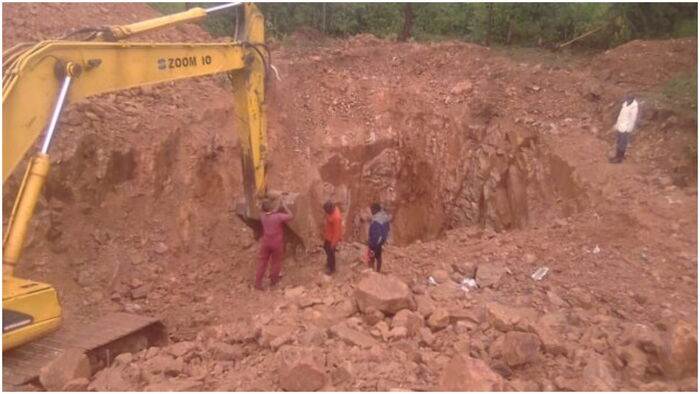
“No one should come back here; this mine is closed, and I will coordinate with the mining ministry and geologists so that they may come here and assess. If these operations continue, we will lose more people here,” Savula said.
Safety First
Savula emphasized that the closure was necessary to safeguard lives, urging residents to remain patient until experts complete their assessment of the soil and mining conditions.
“I would like to urge people from this area to be patient until those experts come and determine the topography of the soil. Those who lost their lives here, we will ensure that we provide the necessary help for them to be buried,” he added.
The Deputy Governor assured families of the victims that the county government would provide resources for burial preparations, underscoring the administration’s commitment to supporting affected households.
Rising Tensions Over Gold Mining
The closure comes just days after violent protests in Isulu, Ikolomani constituency, where three people were shot dead and several others injured during demonstrations against Shanta Gold Company’s plans to take over land for commercial mining.

Police later reported that some of those killed were suspected hired goons who had attacked journalists covering the unrest.
Shanta Gold’s Expansion Plans
Shanta Gold Company recently announced the discovery of gold deposits worth an estimated Ksh683 billion in the Isulu and Bushiangala areas. The government has already approved mining operations in the region, with the company planning to invest between Ksh22 billion and Ksh27 billion ($170 million to $208 million) in an underground mine and processing plant.
The project, expected to run for at least eight years, would involve the relocation of more than 800 households. While officials argue that the investment will boost local infrastructure and create jobs, residents fear displacement and loss of livelihoods.
Community Concerns
Local communities have long relied on artisanal mining as a source of income, often using rudimentary tools to extract small amounts of gold. Many residents view the deposits as a “natural savings account” passed down through generations.
The recent collapse at Shiveye mine has intensified calls for stricter regulation of artisanal mining, with county leaders warning that unregulated operations pose significant risks to miners and the environment.
Conclusion
The closure of Shiveye gold mine highlights the growing tension between artisanal miners and commercial investors in Kakamega’s mineral-rich zones. As the government moves to balance safety concerns with economic ambitions, residents remain wary of losing their ancestral land and livelihoods to large-scale mining projects.
The coming weeks will be critical as experts assess the safety of the mine and as dialogue continues between communities, investors, and government officials over the future of gold mining in the region.
ALSO READ: Duale Slams Gachagua for Claiming Mount Kenya Politicians Should Dominate Nairobi
Kakamega County Government Orders Closure of Shiveye Gold Mine After Collapse
